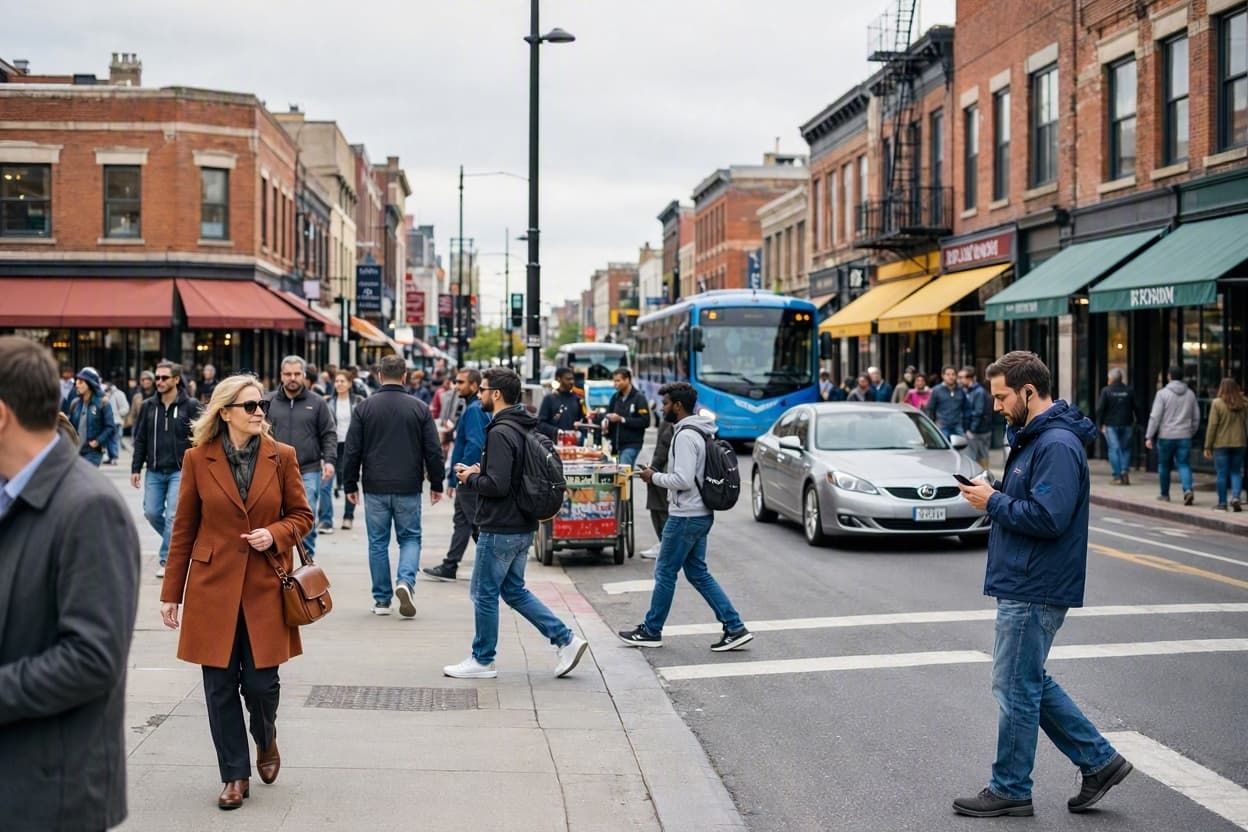
Morning markets often awaken before the sun fully rises. Vendors lift shutters, baskets of grain and vegetables settle onto wooden tables, and the soft murmur of bargaining begins to ripple through narrow streets. In cities as distant as Jakarta, Cairo, and Lagos, the ritual repeats each day with familiar rhythm: sacks of rice stacked high, flour measured by hand, spices carried on the warm air of early trade.
Food, after all, travels a long road before it reaches these stalls.
It moves across oceans and highways, through shipping lanes and grain terminals, across farms shaped by weather and time. Yet the quiet choreography of global food supply can shift suddenly when distant conflicts ripple outward. The war involving Iran, now stretching deeper into its second week, has begun to cast such ripples across the world’s economic landscape.
The concern lies not only in the battlefield itself, but in the narrow corridors of commerce that connect continents.
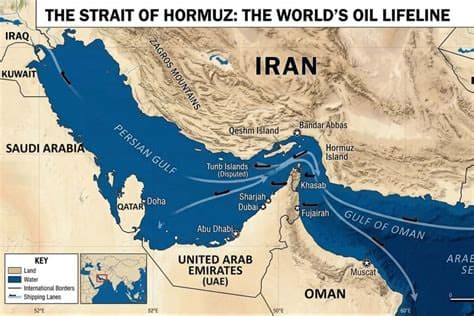
One of those corridors is the Strait of Hormuz, a slender waterway where a significant share of the world’s oil shipments passes each day. Tankers move slowly through its blue channel between the coasts of Iran and Oman, carrying energy supplies that power factories, ships, and transportation networks across the globe.
When tensions rise near this passage, energy markets tend to react quickly. Oil prices climb as traders anticipate disruptions, and those increases travel through the economy in quiet but powerful ways.
Fuel is the unseen companion of nearly every stage of food production. Tractors in wheat fields rely on diesel. Fertilizers are produced using energy-intensive processes. Cargo ships and trucks carry harvests from farms to ports and markets. When energy grows more expensive, the cost of moving and producing food often follows.
Economists have begun warning that a prolonged conflict involving Iran could push global oil prices higher for an extended period. In turn, that pressure may gradually appear in grocery stores and open-air markets around the world.
For countries that import large portions of their food supply, the effects can be particularly sensitive. Many nations across Africa, the Middle East, and parts of Asia depend on international grain markets for staples such as wheat and corn. Even small price increases in these commodities can strain household budgets where food already accounts for a significant share of daily spending.
The memory of past disruptions lingers in economic conversations. During earlier global crises—from supply chain shocks to regional conflicts—food prices often rose alongside energy costs. Bread, rice, and cooking oil became more expensive not only because of production challenges but because transportation and logistics grew costlier.
Now, as the war around Iran unfolds, similar questions are surfacing again.
Agricultural analysts note that global food markets remain relatively stable for the moment. Harvest cycles continue, shipping routes are open, and grain reserves in many regions remain sufficient. Yet markets are also forward-looking, responding not only to present conditions but to future risks.
The longer uncertainty surrounds key energy routes or regional stability, the more likely those concerns are to influence prices.
For shoppers in morning markets, the connection between distant geopolitics and a bag of flour may feel abstract. Yet the global food system is built on threads that stretch far beyond any single city. A tanker passing through the Strait of Hormuz, a fuel price shift in international markets, or a disruption to shipping schedules can quietly shape what appears on store shelves weeks later.
In the early hours of another market day, vendors still arrange produce under rising sunlight, and buyers continue their familiar rounds between stalls. For now, the routine remains intact.
But in the wider currents of the global economy, the unfolding war with Iran carries a possibility that stretches well beyond the battlefield—a reminder that conflicts in one corner of the world can echo in the price of bread and grain thousands of miles away.
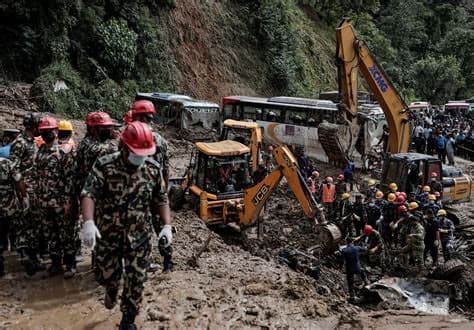
AI Image Disclaimer Illustrations were created using AI tools and are not real photographs.
Sources Reuters Associated Press Bloomberg The New York Times Food and Agriculture Organization (FAO)
Published by Banx Network. This article is part of the Banx decentralized media programme, powered by the BXE token on the XRP Ledger.