In the quiet of a headline‑making dawn, U.S. commandos swooped into Caracas and captured Venezuelan President Nicolás Maduro, an operation that did more than disrupt a regime—it sent a clear signal across continents. In geopolitical terms, this bold action was not just about one leader, one country, or even one conflict. It was a message aimed squarely at another global power: China, watch your footprint in the Americas.
For decades, Beijing has worked patiently to expand influence in Latin America, channelling investments into satellite stations in Argentina, ports in Peru, and oil deals with Venezuela. These relationships were seen by successive U.S. governments as a strategic irritant, a foothold for a rival near America’s own “backyard.” The raid, according to U.S. officials, was partly designed to reverse that growing influence and assert a more direct American hand in the region.
President Trump put the message bluntly in private meetings with industry leaders: China and Russia may be powerful, but they are not welcome as near neighbours in the Western Hemisphere. In public remarks reported by U.S. outlets, he suggested to Beijing that rather than depending on partnerships like Venezuela, it should buy oil directly from the U.S.—a symbolic shift from competition to controlled cooperation.
The raid exposed another dynamic: despite years of economic ties, China’s ability to defend its partners militarily in the region proved limited. The Venezuelan air defences—supplied by both China and Russia—did little to deter the U.S. operation. Analysts see this as a cautionary tale for Beijing: economic influence does not necessarily translate into security guarantees.
Beijing did not remain silent. China protested the raid through diplomatic channels, condemning unilateral actions and reaffirming its commitment to sovereign cooperation. Its foreign ministry emphasized that relations with Latin American and Caribbean countries are sovereign and independent, rejecting what it described as bullying tactics.
For Latin American nations, caught between superpower interests, the message is unsettling. Some may welcome a stronger U.S. security presence; others may worry that the hemisphere has become a playing field for rival great‑power politics. As U.S. and Chinese policymakers assess their next moves, ordinary citizens observe the shifting landscape, aware that the price of influence often falls heaviest on those living closest to the fault lines.
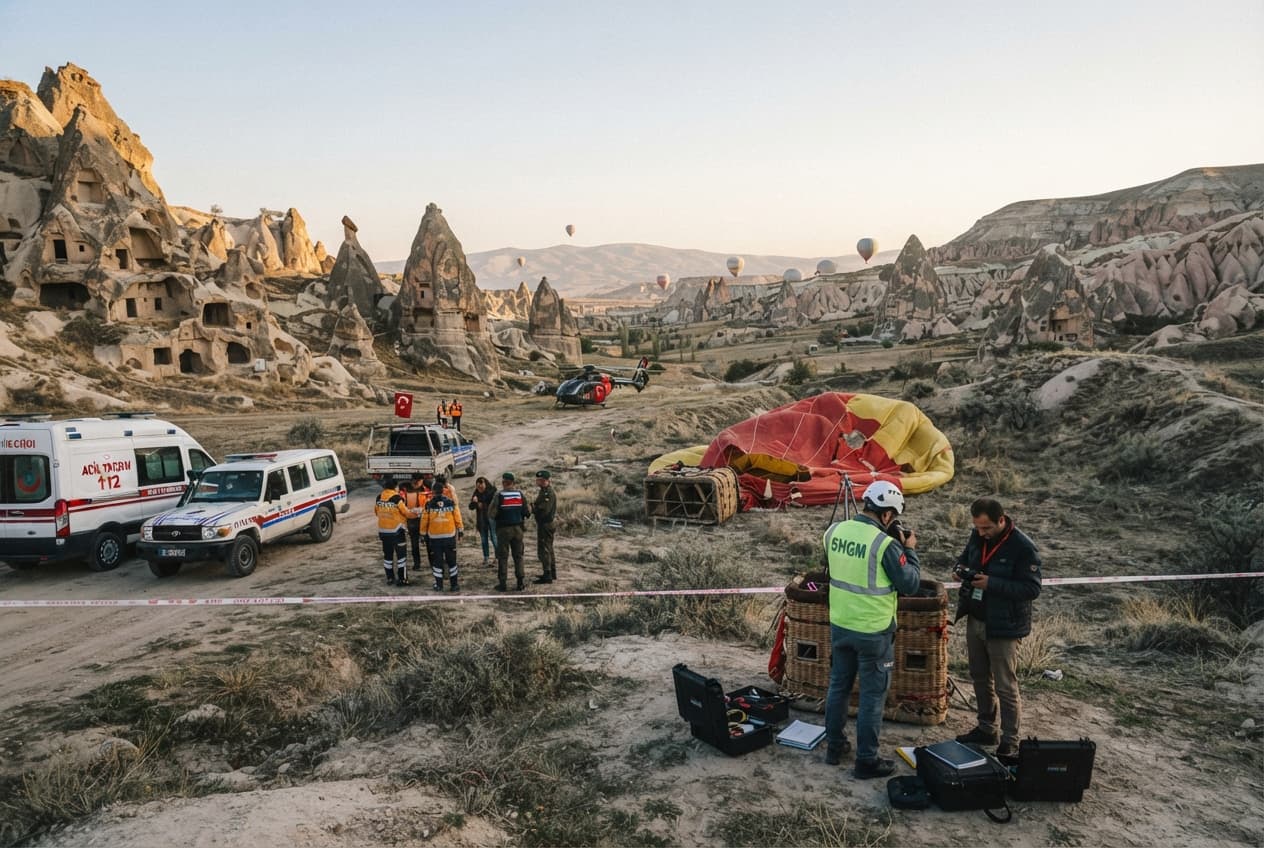
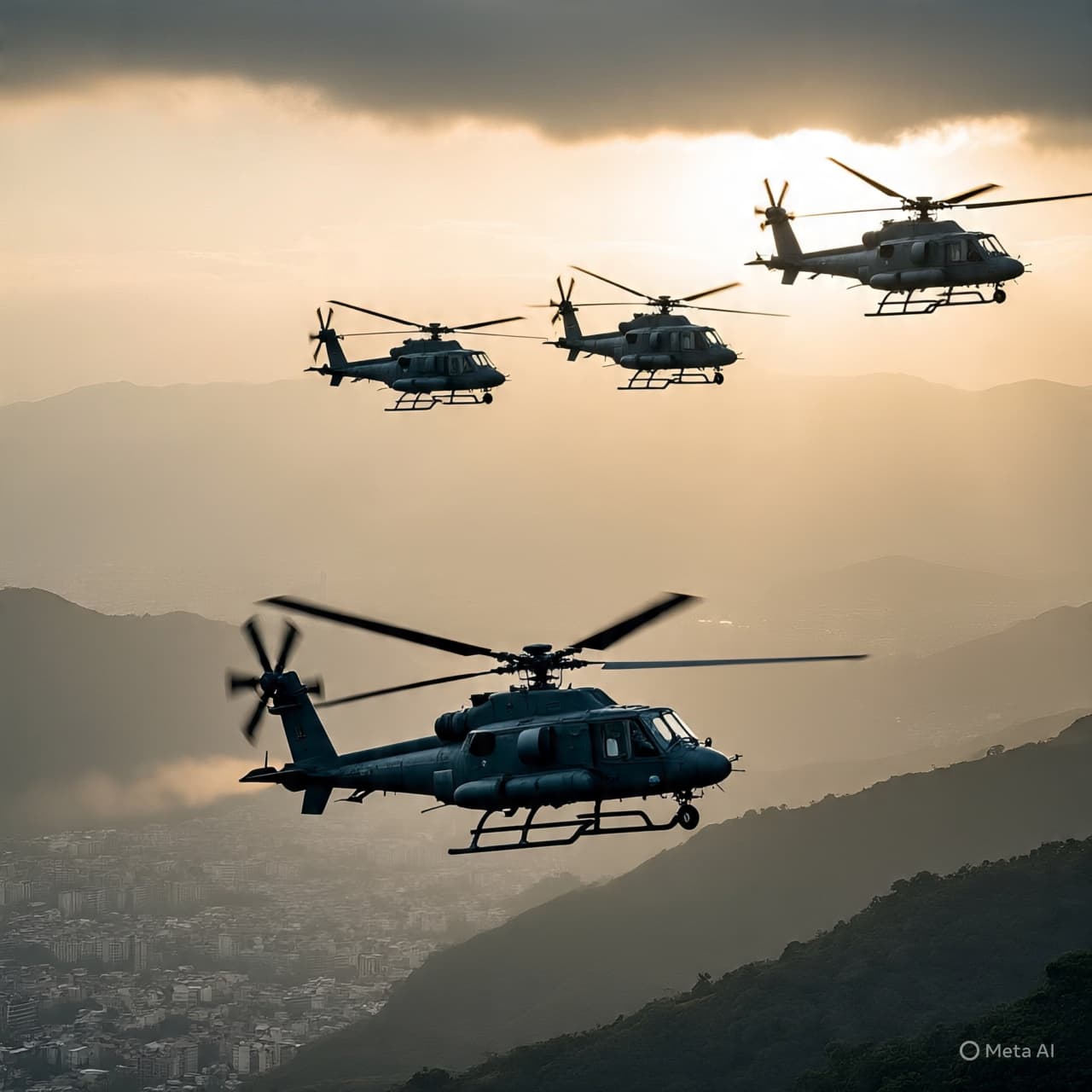
AI Image Disclaimer Visuals are created with AI tools and are not real photographs, intended for conceptual illustration only.
Sources Reuters – Analysis: With Venezuela raid, US tells China to keep away from the Americas Reuters – News coverage of raid and geopolitical implications *Additional Reuters/analysis sources on diplomatic responses (contextual mainline coverage) Chinese foreign ministry response via mainstream reporting (diplomatic protest) Regional geopolitical context via NBC analysis on influence dynamics
Published by Banx Network. This article is part of the Banx decentralized media programme, powered by the BXE token on the XRP Ledger.