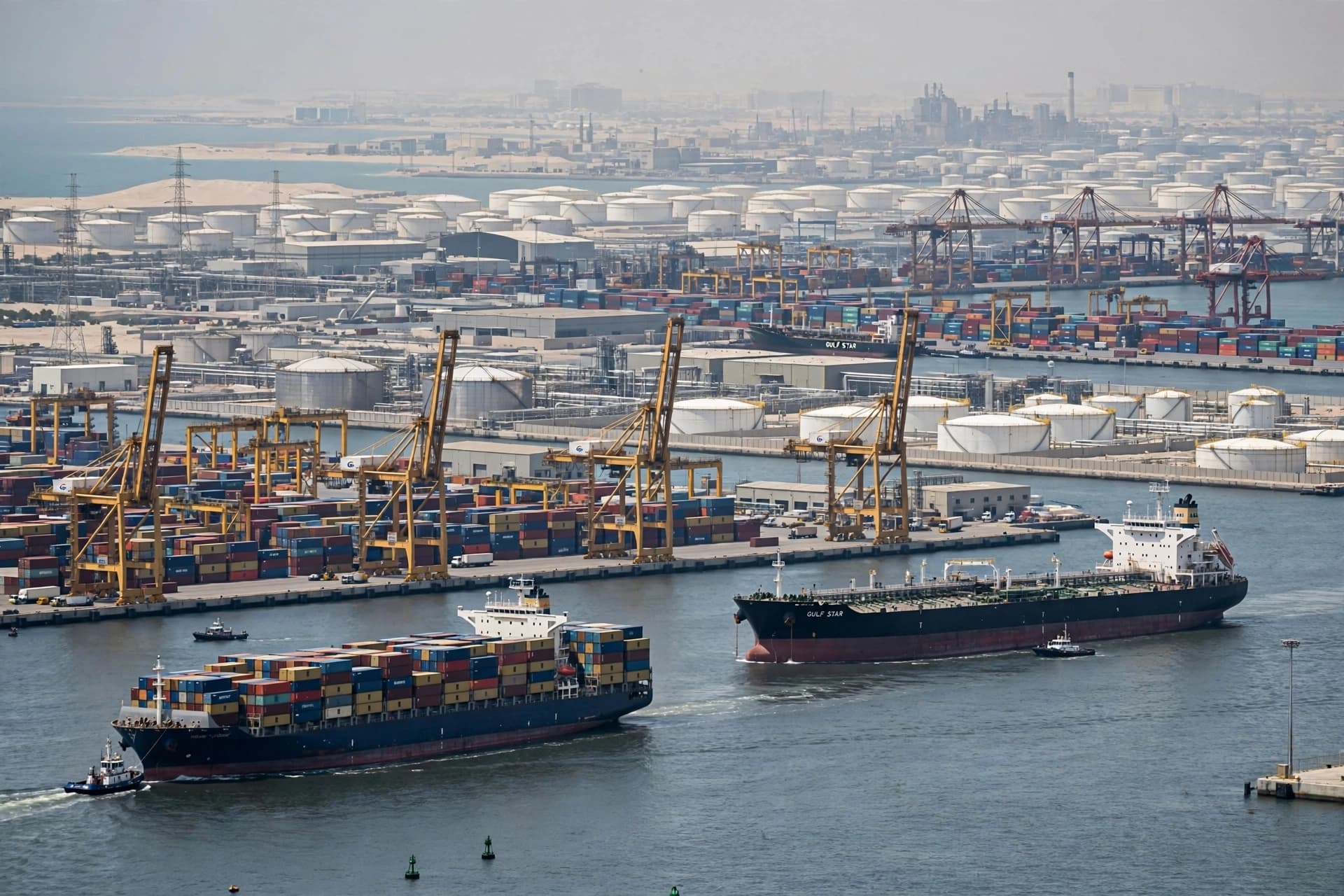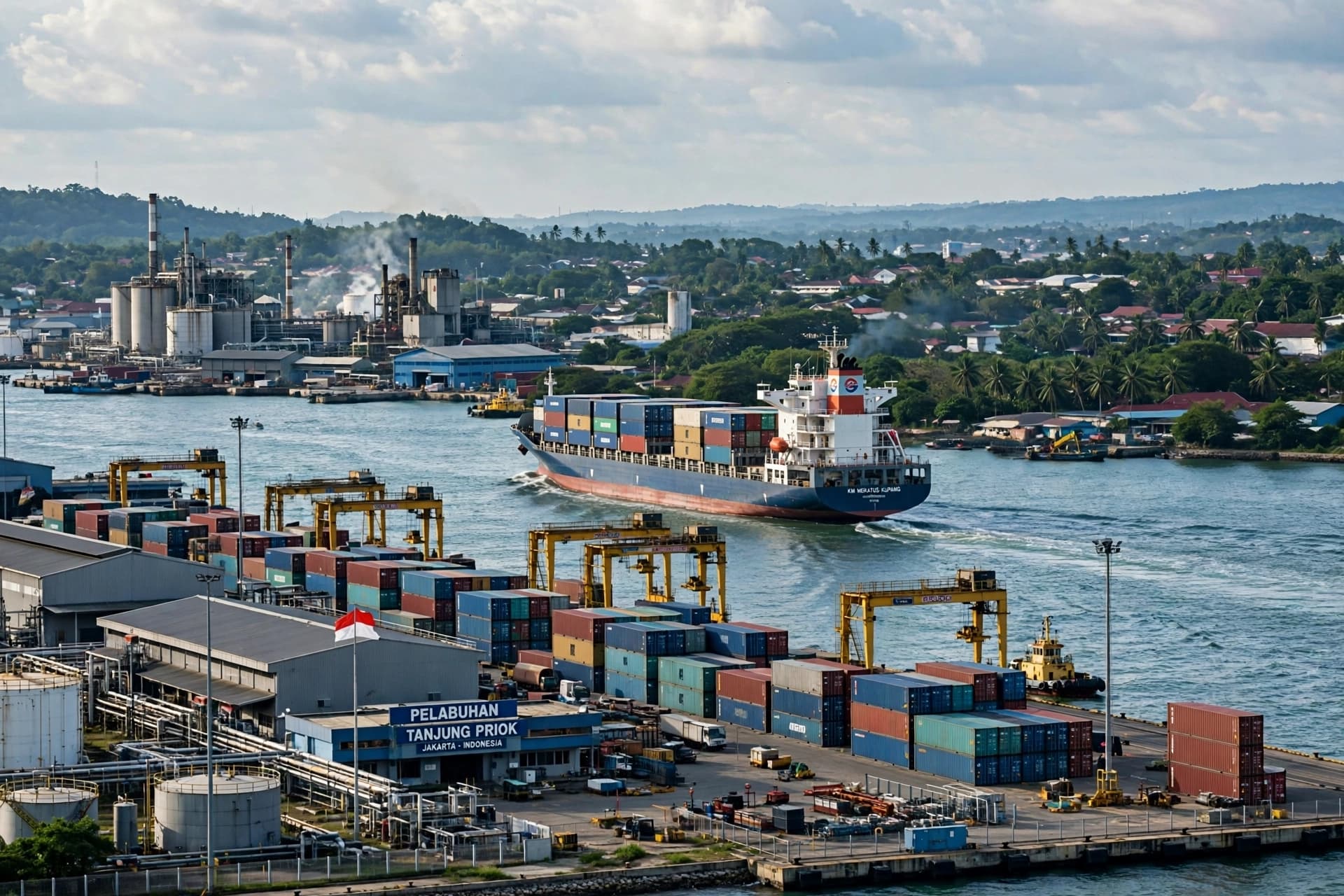
At Indonesia’s ports, the movement of containers and bulk commodities often tells a quieter story about the country’s economy. In August, that movement produced a larger trade surplus than many observers had anticipated. Indonesia recorded a surplus of $3.55 billion, the widest since September 2025, as export growth outpaced the rise in imports.
The result stood well above the median forecast of around $630 million in a Reuters poll of economists. The difference between expectation and reality gave the August figures particular significance, especially after Indonesia had recorded a large current-account deficit during the second quarter.
Exports rose 6.72% year over year to $26.61 billion, exceeding the 4.3% increase economists had expected. Shipments of non-ferrous base metals, nickel, aluminum, copper, and basic chemical products helped drive the increase, reflecting the continued importance of commodities and processed resources in Indonesia’s trade structure.
Imports also grew, reaching $23.06 billion, but the increase of 19.09% was considerably below the 31.14% rise anticipated in the Reuters poll. That difference between actual and expected import growth became one of the central reasons the monthly surplus was considerably wider than forecasts had suggested.
For an economy as closely connected to global commodity markets as Indonesia, the figures are more than a monthly accounting entry. The country is a major exporter of coal, palm oil, and nickel, while also supplying international markets with commodities including tin, copper, aluminum, and coffee. Changes in global prices and demand can therefore quickly alter the balance moving through its ports.
Higher commodity prices have provided support for some Indonesian exports during the year. The international energy market has also influenced the picture, although Indonesia remains a net oil importer, meaning higher global crude prices can simultaneously strengthen some export revenues while increasing the cost of energy imports.
The August surplus nevertheless comes with an important qualification. Irman Faiz, an economist at Bank Danamon, described the improvement as fragile rather than structural, attributing much of the result to imports that were weaker than expected. In that reading, the monthly surplus provides a temporary foreign-exchange buffer without necessarily resolving the broader external pressures facing the economy.
Looking ahead, import demand could regain momentum. Bank Permata economist Faisal Rachman expects imports to remain resilient, while exports could face pressure if global demand softens. He has also projected Indonesia’s current-account deficit to widen to 2.49% of GDP in 2026, illustrating why one strong monthly trade number does not necessarily settle the longer-term external picture.
The trade data also arrive against a backdrop of monetary pressure. Bank Indonesia had raised its policy rates by a combined 100 basis points between May and June as it sought to navigate pressure on the rupiah and changing external conditions. The relationship between trade flows, currency stability, commodity prices, and monetary policy therefore remains closely connected.
For August, however, the numbers are clear. Indonesia exported $26.61 billion of goods and imported $23.06 billion, producing a $3.55 billion surplus. The figure offers a moment of stronger external balance, while economists continue to watch whether the improvement can be sustained as global demand, commodity prices, and domestic import needs evolve through the remainder of 2026.
AI Image Disclaimer
The visuals are AI-generated conceptual illustrations and do not depict actual photographs of the reported locations or events.
Sources
Reuters
Published by Banx Network. This article is part of the Banx decentralized media programme, powered by the BXE token on the XRP Ledger.