
Key Highlights
- Recent UN Security Council veto by China and Russia on maritime security resolution.
- The resolution aimed to address tensions in the Strait of Hormuz, a critical energy corridor.
- The veto reflects ongoing geopolitical divisions among global powers.
The Strait of Hormuz, a vital maritime passage, has once again captured global attention, not merely for its geographical significance but for the political currents that flow through it. Recently, the United Nations Security Council convened to discuss a resolution aimed at enhancing maritime security in this crucial area. However, the meeting concluded with a familiar outcome: a veto from China and Russia, halting the resolution's progress.
This resolution, supported by Western nations including the United States, sought to address escalating tensions and ensure the safety of passage through the strait, which is responsible for a significant portion of the world's oil shipments. The language of the resolution was crafted to convey a sense of urgency and collective responsibility, yet the veto highlighted the stark reality of international relations, where consensus often eludes even the most pressing issues.
In the aftermath of the veto, representatives from Beijing and Moscow articulated their concerns regarding the resolution's framing. They argued that it failed to adequately consider the perspectives of all stakeholders involved, suggesting that the document was skewed towards Western interests. Conversely, proponents of the resolution emphasized the necessity of a unified stance to safeguard international waterways, particularly in light of the strait's importance to global energy supplies.
The diplomatic exchange was marked by a measured tone, characteristic of high-level negotiations. Disagreement was articulated through carefully chosen words, reflecting the complexities of international diplomacy. Yet, the implications of the veto were unmistakable: the Security Council, intended as a platform for collective action, once again revealed the deep divisions among its most influential members.
The ramifications of this veto extend beyond the confines of the UN chamber. The Strait of Hormuz remains a critical artery for global oil transport, and its stability is intricately linked to economic conditions far beyond the Gulf region. Each instance of heightened scrutiny—whether due to maritime incidents or diplomatic debates—adds layers of perceived risk, influencing market dynamics and international policies.
For nations bordering the strait, its waters are not merely a geographical feature but a fundamental aspect of their economic and strategic landscape. The lack of a unified response from the Security Council does not directly alter shipping routes, but it does shape the broader context in which these movements occur. This absence of agreement opens avenues for bilateral negotiations and regional initiatives, further complicating the interplay of global power dynamics.
The veto is emblematic of a recurring theme in international relations: it is not merely an interruption but a reflection of the existing balance of power. Each veto carries both immediate consequences and symbolic significance, serving as a reminder of the limitations inherent in collective decision-making at the highest levels.
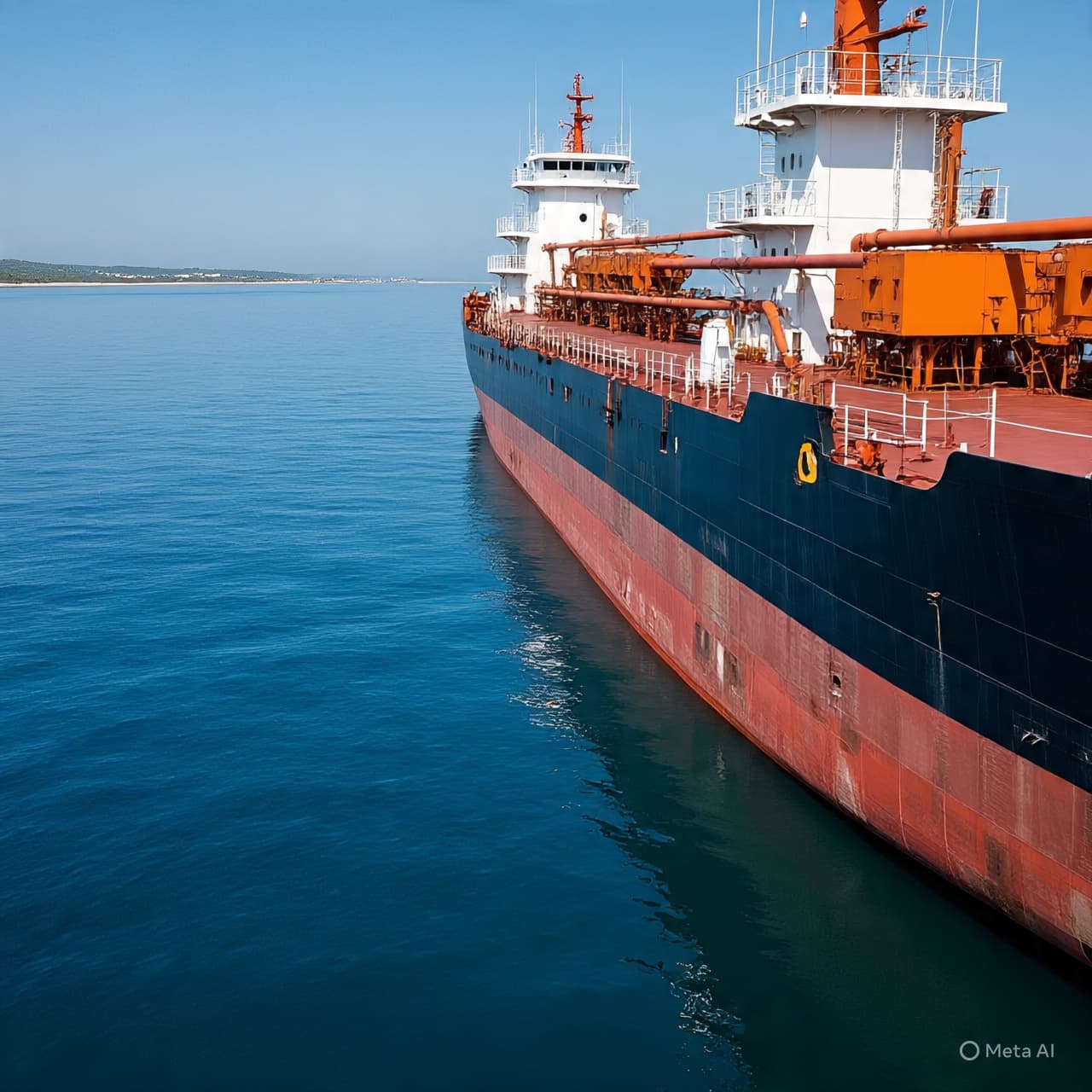
As delegates depart from the Security Council meeting, the focus shifts back to the Strait of Hormuz. Tankers continue their journeys, guided by technology and vigilant crews, while the geopolitical currents remain steady yet fraught with tension. The absence of consensus lingers, a reminder of the ongoing negotiation between power and agreement. The veto by China and Russia leaves the resolution unadopted, marking yet another chapter in the complex narrative of international diplomacy surrounding this critical maritime corridor.
Published by Banx Network. This article is part of the Banx decentralized media programme, powered by the BXE token on the XRP Ledger.



