n a striking episode amid ongoing efforts to enforce sanctions on Moscow’s oil exports, French authorities have taken into custody the captain of an oil tanker suspected of being part of Russia’s so‑called “shadow fleet,” a network of vessels widely thought to help evade international sanctions. The move underscores France’s growing resolve to disrupt sanction‑busting activities at sea, even as questions about maritime law and international cooperation swirl around the case.
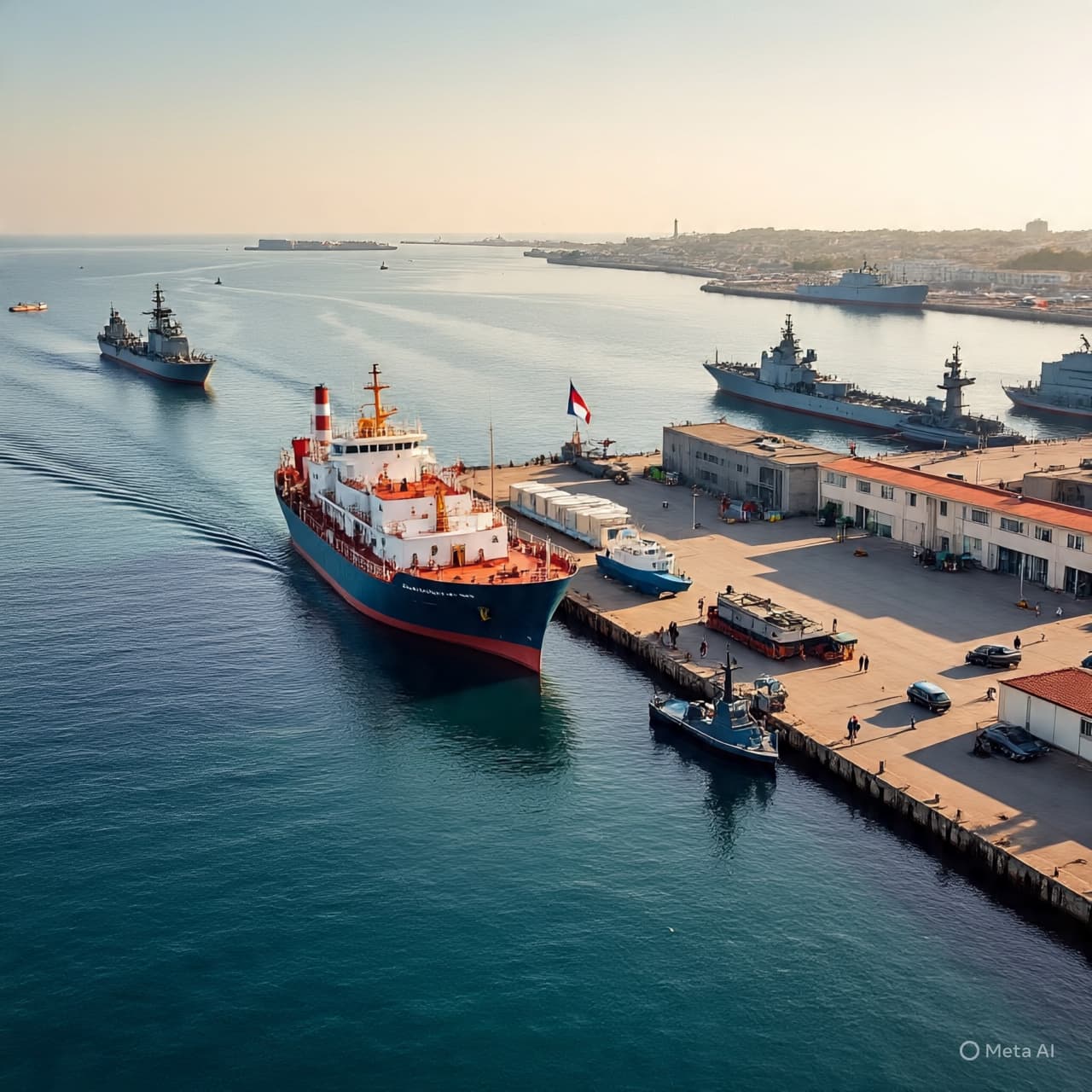
On Sunday, prosecutors in Marseille confirmed that the 58‑year‑old Indian captain of the tanker Grinch was handed over to judicial authorities after French naval forces intercepted and diverted the vessel to the Gulf of Fos‑sur‑Mer on Thursday. The ship had been traveling from Murmansk, Russia, and is suspected of transporting oil in violation of Western sanctions imposed over Moscow’s war in Ukraine.
The Grinch is believed to be part of the so‑called shadow fleet — a constellation of mostly older tankers that frequently change names, flags and identities to obscure ownership and evade detection by sanctioning regimes. These vessels often engage in practices like “flag‑hopping,” flying flags of convenience from countries that may not enforce strict maritime oversight, a tactic that complicates enforcement efforts.
French naval forces first intercepted and boarded the tanker in the Mediterranean Sea earlier in the week, with commandos airlifted onto the ship as part of a coordinated operation supported by intelligence cooperation. The maneuver was followed by orders to escort the vessel to a guarded anchorage near the port, where it now awaits further investigation.
Prosecutors say a preliminary inquiry has been opened, focusing on suspected violations such as failure to fly a valid flag and questions over the legitimacy of the vessel’s navigation documents. Meanwhile, the rest of the crew — also Indian nationals — remain on board under guard while authorities continue their inspections.
The detention of the captain comes amid a broader Western crackdown on shadow‑fleet tankers, which many analysts describe as a key route through which Russia has continued to export crude oil despite extensive sanctions and price caps. European Union restrictions, along with measures by the United States and other allies, have targeted hundreds of such vessels in an effort to choke off revenue streams linked to the war in Ukraine.
This is not the first time France has moved against a suspected shadow‑fleet vessel. In October, French forces detained the tanker Boracay, another vessel believed to be operating outside standard maritime and sanction rules; its captain is slated to face trial there next month.
The case is likely to raise complex legal and diplomatic issues, particularly around the application of international maritime law, the rights of seafarers, and how nations enforce sanctions on the high seas. As the Grinch looms off the French coast and investigators pore over its records, the world’s attention remains fixed on how this shadowy network of oil transport will fare under increasing scrutiny and legal challenge.
AI Image Disclaimer “Visuals are created with AI tools and are not real photographs.”
Sources AP News Reuters South China Morning Post The Local France Belgium’s Brussels Times
Published by Banx Network. This article is part of the Banx decentralized media programme, powered by the BXE token on the XRP Ledger.