
Key Highlights
- Water as a Foundation:Water has historically been crucial for Iran's civilization and agriculture.
- Drought Impact:Long periods of drought are straining water supplies across various regions.
- Agricultural Adaptation:Farmers are implementing new irrigation methods to cope with changing conditions.
- Urban Challenges:Growing populations in cities are increasing the demand for sustainable water planning.
- Global Context:Iran's water issues reflect broader challenges faced by many arid regions worldwide.
[The Importance of Water in Iran]
Across Iran’s wide deserts, mountain valleys, and historic settlements, water has always been more than a resource; it has been a foundation of civilization, agriculture, and daily life. Today, changing climate conditions are reshaping this relationship, posing significant challenges to the nation’s water supply and management systems.
Long periods of drought and declining rainfall have placed immense pressure on water supplies in several regions of Iran. Rivers, lakes, and underground reserves are facing growing challenges as demand continues to increase. According to recent studies, many areas have seen a drastic reduction in water levels, leading to concerns about the sustainability of these vital resources.
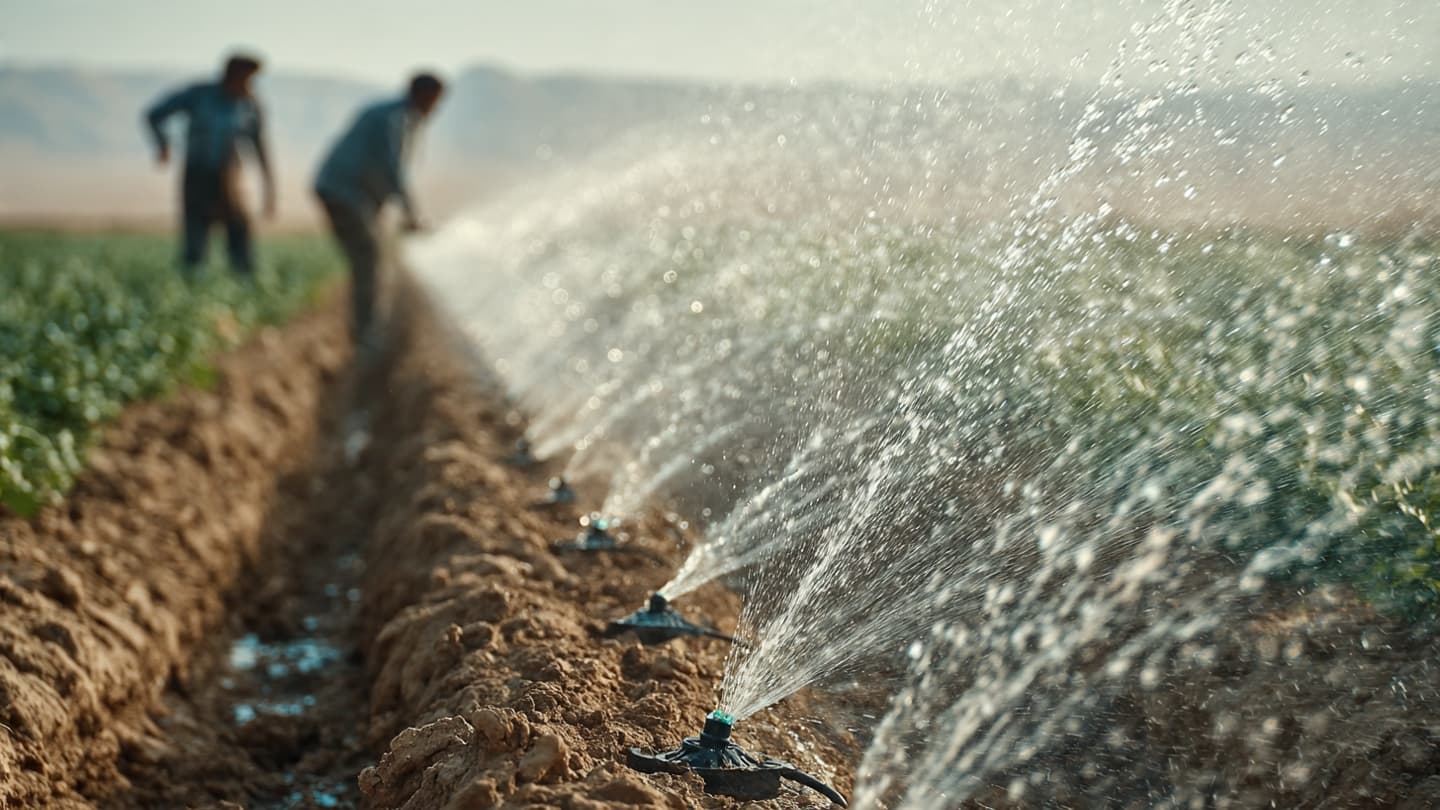
Agricultural communities have been among those most affected by these changes. Farmers are adapting to new conditions through improved irrigation methods and changing approaches to water management. Techniques such as drip irrigation and rainwater harvesting are becoming more common as farmers seek to maximize efficiency and minimize waste. These adaptations are crucial for maintaining crop yields in the face of diminishing water availability.
Urban areas are also experiencing the effects of environmental stress. As populations grow and weather patterns shift, cities are increasingly focusing on sustainable water planning. This includes investing in infrastructure to capture and store rainwater, as well as promoting conservation efforts among residents. The challenge is to balance the needs of a growing urban population with the realities of a changing climate.
Scientists and environmental organizations continue to study solutions to Iran's water crisis, including conservation methods, climate monitoring, and improved resource management. Collaborative efforts between researchers, communities, and institutions are essential for developing long-term strategies to manage natural resources effectively. These strategies must consider the unique challenges posed by Iran's geography and climate.
Iran’s experience reflects a wider global challenge. Many countries in dry regions are facing similar pressures as temperatures rise and rainfall patterns shift. The environmental changes are gradual but significant; small shifts in nature can influence communities, ecosystems, and economic activities over time. As such, adaptation requires a concerted effort from all stakeholders involved.
As Iran continues to face these conditions, water remains at the center of conversations about environmental resilience and future planning. The need for innovative solutions and cooperative strategies has never been more critical, as the nation grapples with the implications of climate change on its water resources.
Published by Banx Network. This article is part of the Banx decentralized media programme, powered by the BXE token on the XRP Ledger.



