The Earth speaks in many voices: the rustle of leaves, the crash of waves, the silence of melting ice. For decades, scientists have listened to these signs, warning that the planet’s climate system was approaching a critical threshold. Now, the United Nations declares that we have passed the point of no return, with the worst impacts of climate change becoming unavoidable. This sobering assessment invites a moment of deep reflection, not on despair, but on the urgency of adaptation and the moral imperative to protect what remains.
The UN’s statement is based on extensive data showing rising global temperatures, shrinking ice caps, and increasing frequency of extreme weather events. These changes are no longer distant predictions but present realities affecting communities worldwide. From droughts in Africa to floods in Asia, the human cost of climate inaction is becoming increasingly visible. The declaration serves as a call to acknowledge the severity of the situation without succumbing to paralysis.
While the term "point of no return" suggests inevitability, it does not mean that all hope is lost. Rather, it signifies that mitigation efforts alone are no longer sufficient. Adaptation must now take center stage. Communities need to build resilience against rising sea levels, heatwaves, and unpredictable storms. This shift requires a fundamental rethinking of urban planning, agriculture, and infrastructure development.
The psychological impact of such news can be profound. Feelings of eco-anxiety and grief are common as people grapple with the loss of familiar landscapes and ways of life. Acknowledging these emotions is important, but so is channeling them into constructive action. Community-led initiatives, local conservation efforts, and sustainable practices offer pathways for individuals to contribute to positive change.
Technological innovation plays a crucial role in this new phase. Renewable energy sources, carbon capture technologies, and sustainable materials are essential tools for reducing further harm. However, technology alone is not a panacea. It must be accompanied by policy changes, international cooperation, and a cultural shift toward valuing sustainability over consumption.
Equity is a central concern in the climate crisis. Those who have contributed least to greenhouse gas emissions often suffer the most from their effects. Addressing this injustice requires global solidarity and financial support for vulnerable nations. The UN’s emphasis on unavoidable impacts highlights the need for climate justice, ensuring that adaptation resources reach those who need them most.
Education and awareness are vital for fostering a culture of resilience. Understanding the science behind climate change helps people make informed decisions and advocate for effective policies. Schools, media, and community organizations have a role to play in disseminating accurate information and inspiring collective action.
Despite the gravity of the situation, there is still room for agency. Every degree of warming prevented matters. Every ecosystem preserved offers a buffer against chaos. The goal is no longer just to prevent change but to manage it in a way that minimizes suffering and preserves biodiversity. It is a challenging path, but one that humanity must walk together.
The UN’s declaration that climate change has passed the point of no return underscores the urgency of adaptation and resilience. While the worst impacts are now unavoidable, proactive measures and global cooperation can still mitigate suffering and protect vulnerable communities. The focus shifts from prevention to management and justice.
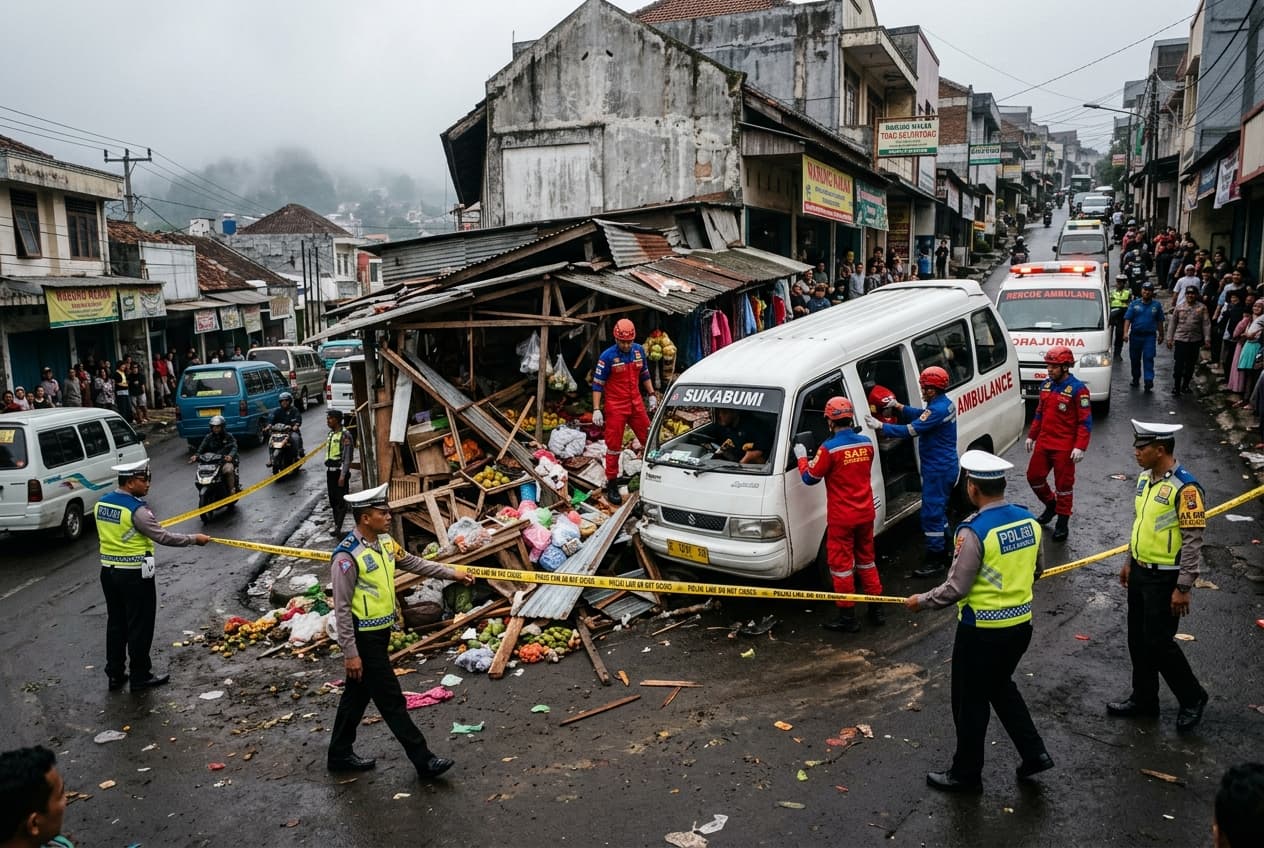
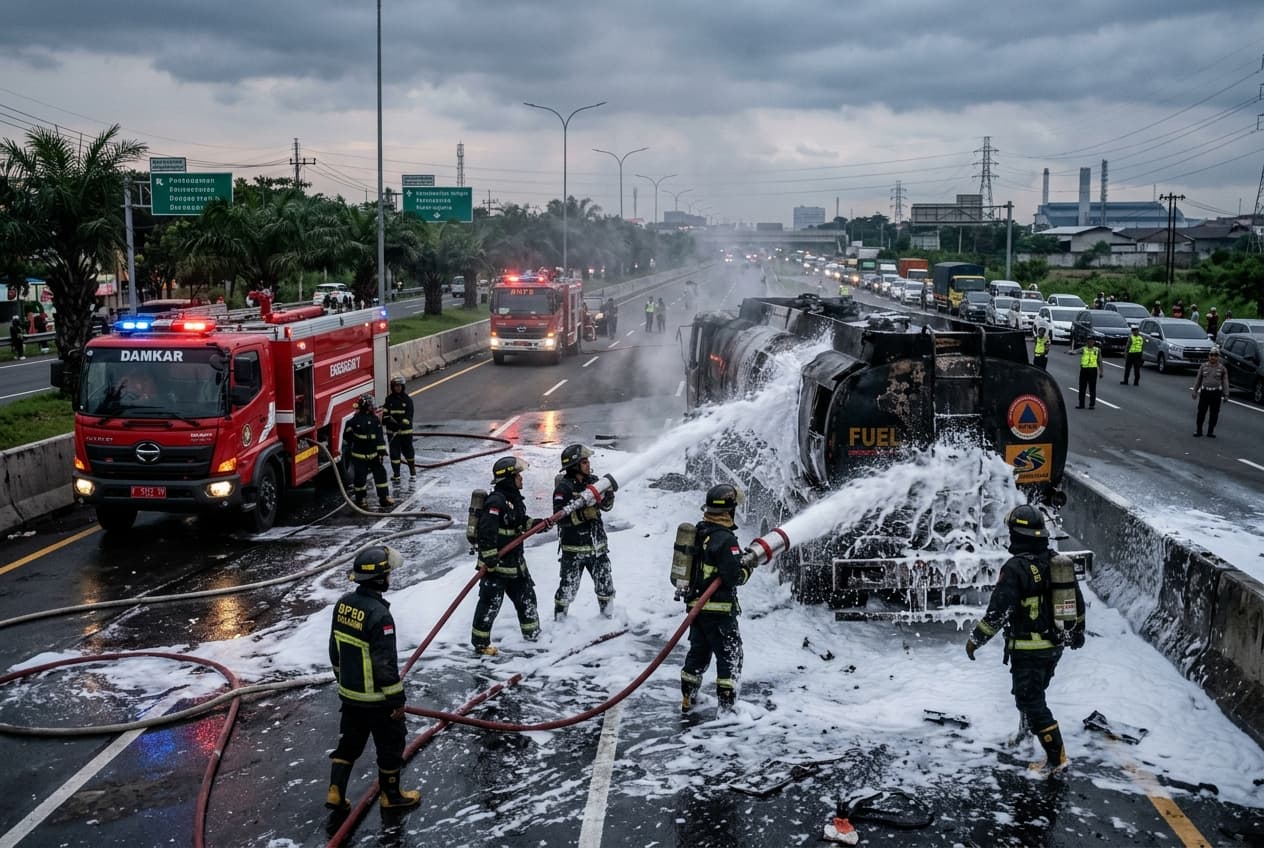
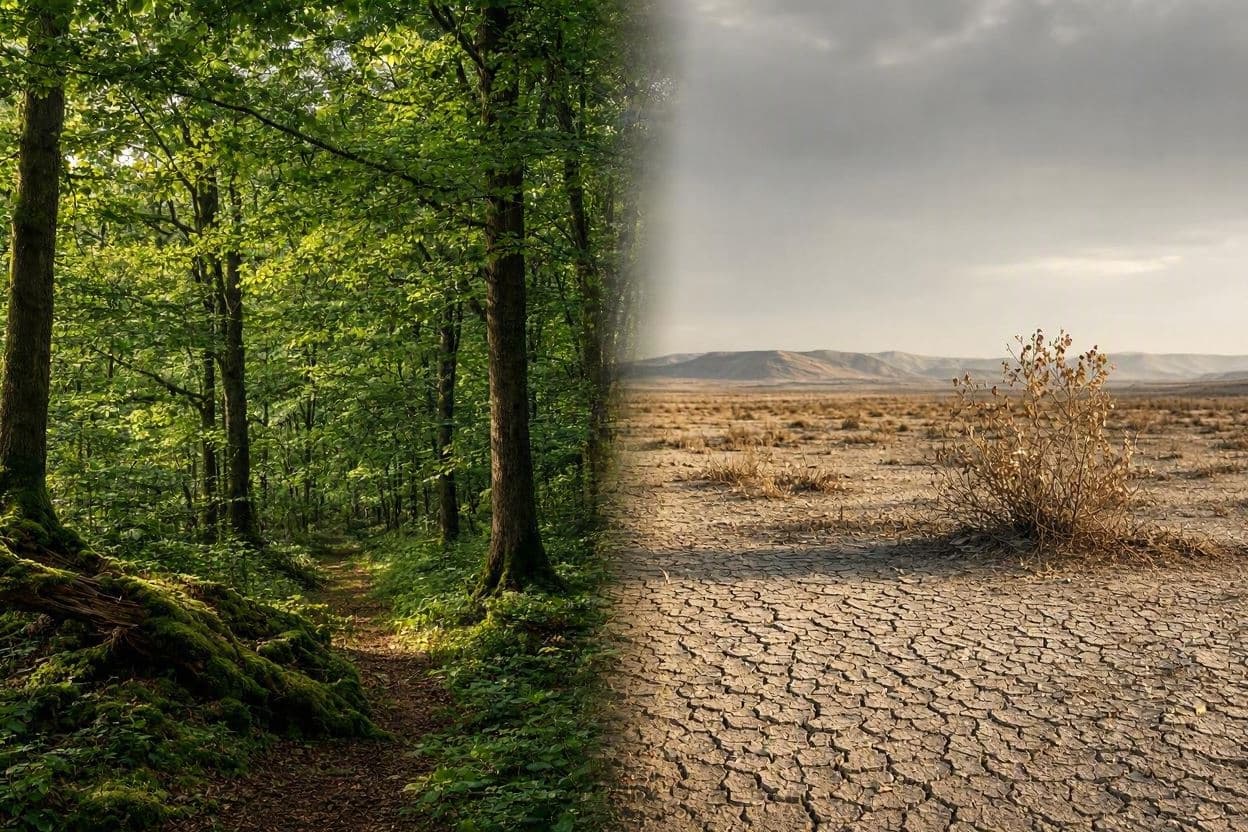
AI Image Disclaimer: The images associated with this article are AI-generated visualizations intended to symbolize the urgency of climate action and environmental resilience, using respectful and abstract imagery.
Sources: United Nations Framework Convention on Climate Change IPCC Reports Global Environmental News Outlets
Published by Banx Network. This article is part of the Banx decentralized media programme, powered by the BXE token on the XRP Ledger.