
Key Highlights
- U.S. Initiative: A new plan aims to reduce reliance on China for critical minerals.
- Essential Materials:Focus on lithium, cobalt, and rare earth elements vital for technology.
- Long-Term Strategy:The initiative emphasizes domestic mining, processing, and recycling.
The materials that shape the modern world rarely announce themselves. They lie buried in rock and soil, carried quietly through supply chains, emerging only as batteries, turbines, screens, and circuits. Their presence is felt more than seen, a hidden architecture beneath daily life. Yet when access to them tightens, their silence becomes impossible to ignore.
This week, the United States set out a plan aimed at reducing its reliance on China for critical minerals, an acknowledgment that competition between nations increasingly runs through geology as much as diplomacy. The initiative focuses on materials such as lithium, cobalt, nickel, and rare earth elements—substances essential to electric vehicles, renewable energy systems, advanced weapons, and consumer electronics. For years, China has dominated their processing and refining, turning natural abundance and early investment into strategic leverage.
The American response is neither sudden nor simple. Officials have framed the plan as a long-term effort, one that stretches from domestic mining and processing to partnerships with allies and investments in recycling and alternative technologies. It is an attempt to shorten supply lines that now span continents and political systems, and to build resilience into industries seen as vital to both economic growth and national security.
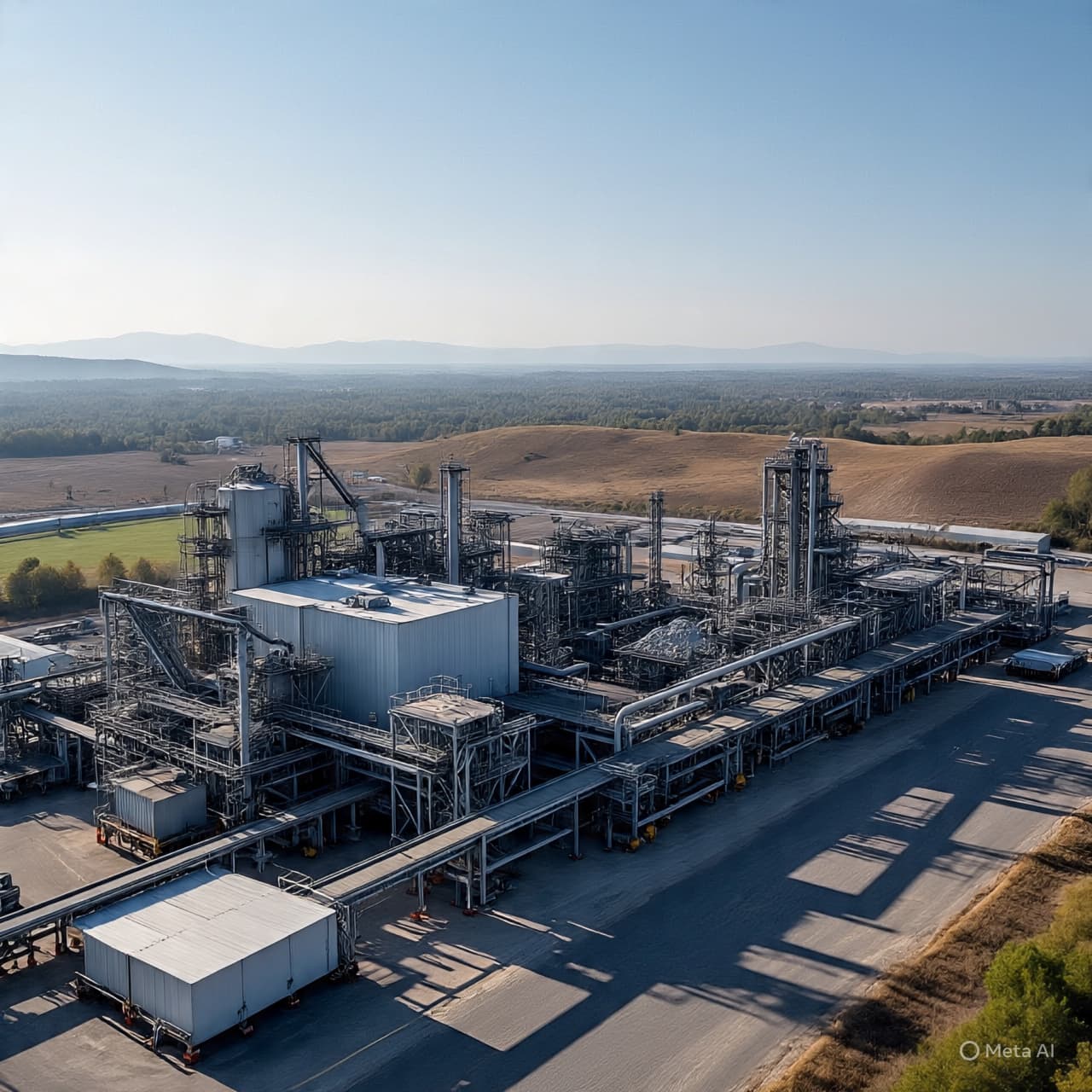
Much of the challenge lies not in discovering minerals, but in transforming them. While reserves exist in the United States and in friendly countries, refining capacity has remained concentrated elsewhere. Processing is expensive, environmentally complex, and often unpopular with local communities. Any effort to shift that balance must navigate regulatory hurdles, public concern, and the slow timelines of industrial development.
The plan also reflects a broader recalibration in Washington, where trade and security are no longer treated as separate conversations. Critical minerals have moved from technical briefings into strategic doctrine, their importance underscored by global disruptions in recent years. Supply shocks—from pandemics to wars—have revealed how easily modern economies can be strained when foundational materials become scarce or politicized.
China, for its part, has shown little inclination to relinquish its position. Its dominance was built over decades through coordinated policy, investment, and control over processing stages that others overlooked. The American initiative does not seek confrontation, but it does signal a desire for balance, for a world in which no single country sits at the center of so many essential supply chains.
As the plan begins to take shape, its effects will not be immediate. Mines take years to open, refineries longer still. But the announcement itself marks a shift in awareness—a recognition that the future of energy, technology, and security depends not only on innovation above ground, but on careful stewardship below it.
In the end, the story is not just about China or the United States. It is about how nations adapt to a century defined by transition, where the race toward cleaner energy and smarter machines runs through finite resources. The ground beneath us has always mattered. Now, it is speaking more clearly than ever.
Published by Banx Network. This article is part of the Banx decentralized media programme, powered by the BXE token on the XRP Ledger.



