In the early morning light of Kathmandu, the city wakes slowly beneath a bowl of mountains. Motorbikes weave through narrow streets, temple bells echo across ancient courtyards, and the scent of incense drifts through neighborhoods where centuries of tradition meet the restless energy of youth. It is a city accustomed to change arriving quietly—one conversation at a tea stall, one election at a time.
In recent days, however, the currents of Nepali politics have begun to move with unusual momentum around an unlikely figure: Balendra Shah, a former rapper who rose to national prominence as the independent mayor of Kathmandu. Now, amid shifting alliances and political calculations, Shah is being discussed as a potential candidate for prime minister in Nepal.
Shah—widely known simply as “Balen”—first entered the national spotlight through music that blended social commentary with the rhythms of contemporary Nepali hip-hop. His lyrics often reflected the frustrations of younger generations navigating corruption, economic uncertainty, and the slow pace of reform in the country’s political system.
When he ran for mayor of Kathmandu in 2022 as an independent candidate, his campaign drew widespread attention. Without the backing of a major political party, Shah relied on grassroots support and a message centered on transparency, urban reform, and generational change. His eventual victory surprised many observers and signaled a growing appetite among voters for leaders outside the country’s established political networks.
Since taking office, Shah has cultivated a reputation as an energetic and unconventional administrator. His initiatives in Kathmandu have included efforts to address urban infrastructure problems, enforce building regulations, and bring greater visibility to municipal governance. For supporters, his approach represents a break from the cautious style often associated with Nepal’s traditional political leadership.
The possibility of Shah ascending to the country’s highest political office reflects the fluid nature of coalition politics in Nepal’s parliamentary system. Governments are often formed through shifting alliances among parties, and leadership can change as coalitions rise and fall in response to political negotiations within parliament.
Analysts note that while Shah remains an independent figure, his growing popularity—particularly among younger voters—has begun to influence conversations among political parties seeking new directions in leadership. His public profile, amplified through social media and a direct communication style, has allowed him to connect with citizens in ways that differ from conventional campaign strategies.
Nepal’s political landscape has long been shaped by complex transitions, from monarchy to republic and through multiple constitutional reforms in recent decades. In that evolving environment, the emergence of new political figures often reflects broader social changes unfolding across the country.
For many observers, Shah’s rise symbolizes the meeting point of culture and governance: a generation raised in the era of digital media and global music now stepping into the formal structures of political power.
Whether that momentum will carry him all the way to the prime minister’s office remains uncertain. Parliamentary negotiations and coalition dynamics will ultimately determine the country’s leadership in the coming months.
Yet the mere possibility marks a remarkable moment in Nepal’s democratic story. In the streets of Kathmandu—where music once carried his voice through headphones and city stages—the same voice now echoes through the chambers of national politics.
If the trajectory continues, Nepal may soon see a leader whose journey began not in the corridors of power, but in the rhythm of a microphone and the restless imagination of a generation seeking change.
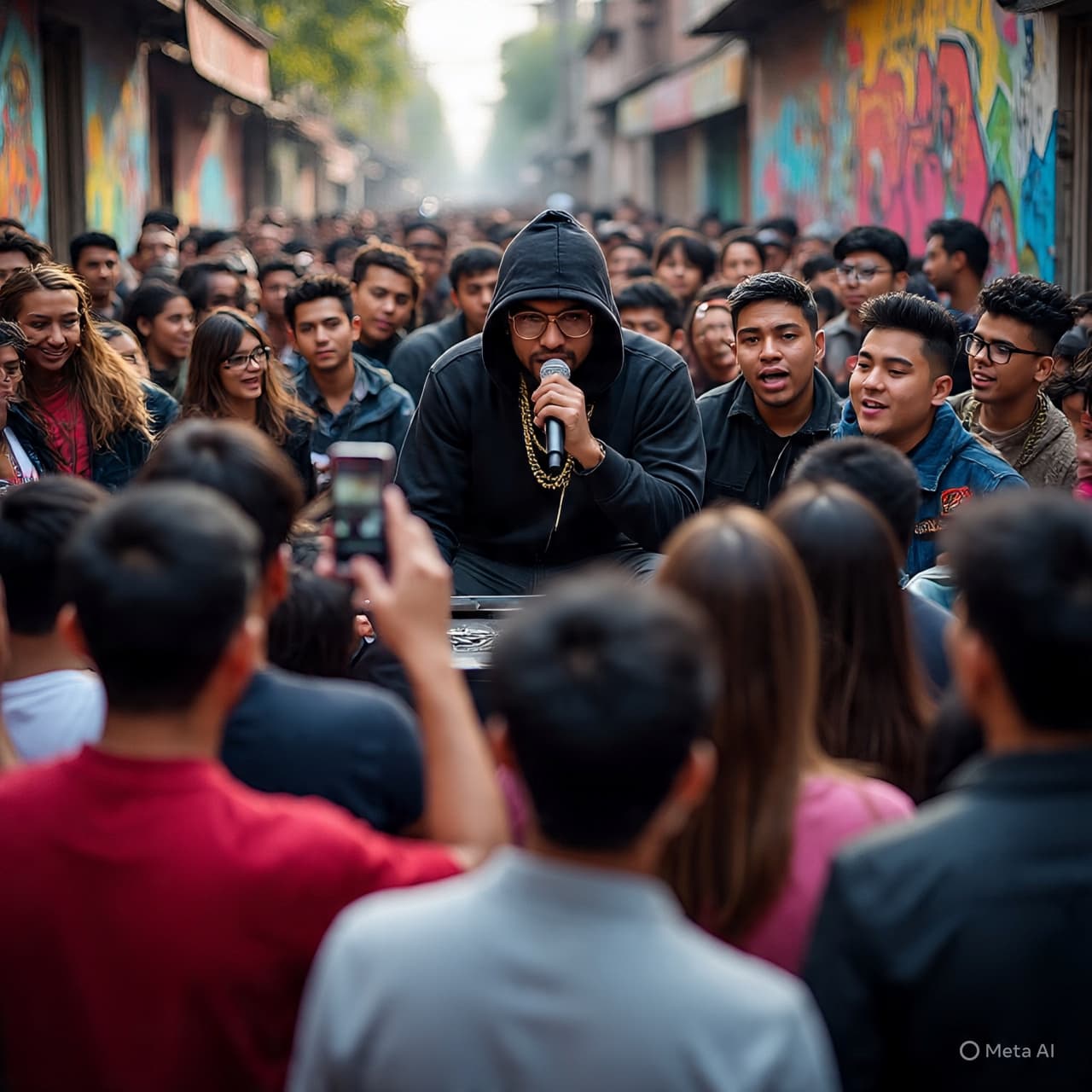
AI Image Disclaimer These visuals are AI-generated conceptual illustrations and do not depict real photographs.
Sources Reuters BBC The Kathmandu Post Al Jazeera Associated Press
Published by Banx Network. This article is part of the Banx decentralized media programme, powered by the BXE token on the XRP Ledger.