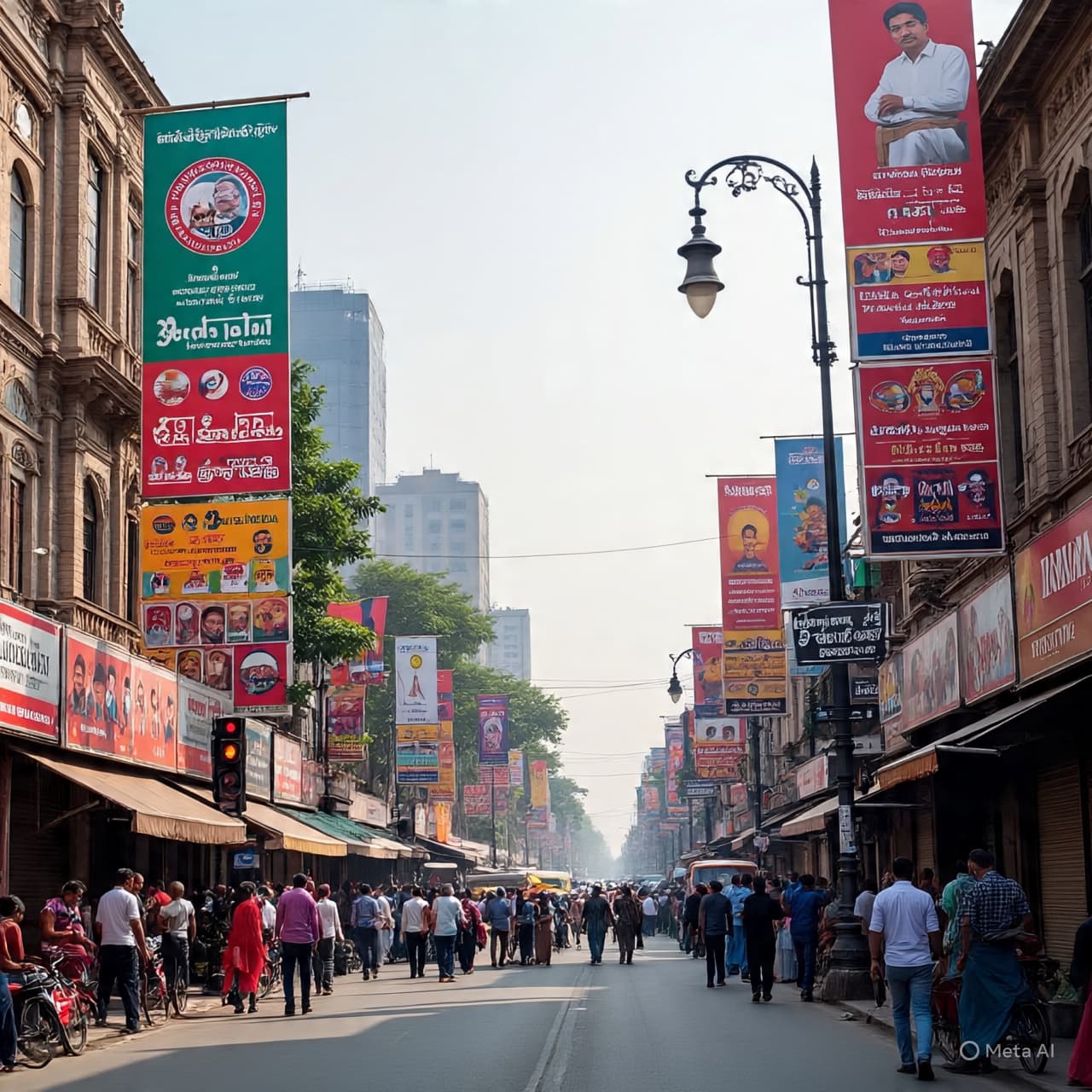
In the gentle hush of a December evening in Dhaka, a moment long anticipated by millions was finally set on the calendar: Bangladesh will hold its next national elections on February 12, 2026, marking the first parliamentary vote since the mass uprising of 2024 reshaped the political landscape.
The announcement came from Chief Election Commissioner A.M.M. Nasir Uddin in a televised address, confirming the date and signalling a key milestone in the nation’s ongoing transition.
More than 127 million eligible voters are expected to participate in choosing representatives for the 300 seats in the Jatiya Sangsad (National Parliament). At the same time, the government will hold a referendum on proposed political reforms — part of efforts to cement changes spurred by last year’s upheaval.
The 2024 upheaval, led largely by students and civil society groups, culminated in the removal of former Prime Minister Sheikh Hasina, who left for India in August 2024 amid widespread protests and violence that left scores dead and many more injured.
Since Hasina’s departure, a transitional administration led by Nobel Peace Prize laureate Muhammad Yunus has governed the country, pursuing reforms and steering the nation toward what its leaders describe as a renewed democratic path.
But the political field remains complex. Hasina’s party, the Awami League, is currently banned from contesting the elections under interim government directives, a move that has drawn criticism from some quarters for its implications on inclusivity. Meanwhile, established opposition parties such as the Bangladesh Nationalist Party (BNP) and Jamaat-e-Islami, alongside newer forces born from the uprising, are preparing campaigns as voters weigh demands for reform, stability, and economic revival.
For many Bangladeshis, the February vote is more than a civic ritual — it is a culmination of a turbulent chapter and a step toward anchoring aspirations for democratic renewal, accountability, and collective participation in shaping the nation’s future.
AI Image Disclaimer Illustrations were produced with AI and serve as conceptual depictions, not actual photographs.
Sources The Associated Press Reuters ABC News The Week Indian Express
Published by Banx Network. This article is part of the Banx decentralized media programme, powered by the BXE token on the XRP Ledger.