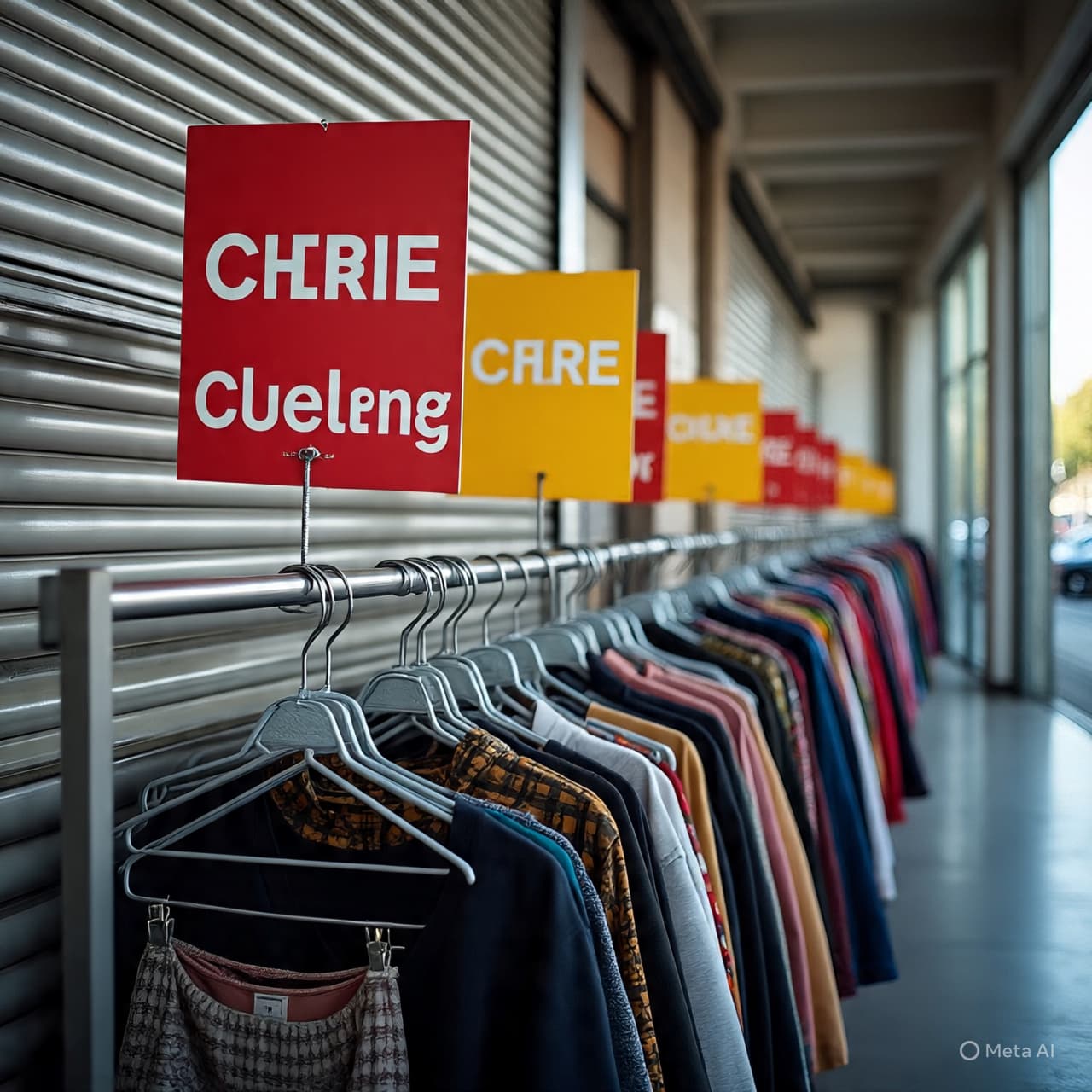
In the quiet hum of empty shopping malls, lights flicker over shuttered storefronts, and the echo of footsteps seems to linger where commerce once thrived. Saks OFF 5TH, a name long associated with discount luxury, has announced that the majority of its stores will close as the company navigates bankruptcy. For shoppers, the news reads like a final chapter, yet for the retail landscape, it is a reflection of broader shifts in consumer habits and economic currents.
E-commerce, shifting tastes, and rising operational costs have converged to reshape how Americans shop. Physical stores, once temples of browsing and discovery, now compete with the immediacy of online platforms. The decision to shutter stores is not simply a matter of mismanagement or misfortune—it is the manifestation of a market evolving faster than tradition can hold.
Each closing door carries with it stories of employees, loyal customers, and the subtle rituals of everyday life that revolved around these spaces. It is a reminder that retail is more than transactions; it is social, cultural, and emotional, threading communities together in aisles of shared anticipation. As Saks OFF 5TH contracts, the retail world observes a mirror of resilience and impermanence, where even familiar names must adapt or yield to change.
In the end, bankruptcy is not merely an accounting term—it is a narrative of transition, a quiet acknowledgment that the landscape of American consumption continues to transform. The stores may close, but the currents of commerce will flow on, carrying lessons for businesses, consumers, and the very architecture of shopping itself.
AI Image Disclaimer (rotate phrasing):
“Visuals are AI-generated and serve as conceptual representations.”
“Illustrations were created using AI tools and are not real photographs.”
Sources: Saks OFF 5TH, Bloomberg, Reuters, Wall Street Journal, CNBC
Published by Banx Network. This article is part of the Banx decentralized media programme, powered by the BXE token on the XRP Ledger.