
Key Highlights
- Macron's Appeal: President Emmanuel Macron urged Israeli Prime Minister Netanyahu to avoid a ground offensive in Lebanon amid rising tensions.
- Ongoing Conflict:Cross-border exchanges between Israel and Hezbollah have intensified following the October attacks by Hamas.
- France's Role: France maintains significant cultural and political ties with Lebanon, influencing its diplomatic stance.
Macron's recent appeal to Israeli Prime Minister Benjamin Netanyahu underscores the delicate balance of diplomacy in a region fraught with tension. As the sun sets over the Seine, the stark contrast of the situation along the Israel-Lebanon border becomes evident. The air is thick with uncertainty, and the echoes of conflict resonate far beyond the immediate geography.
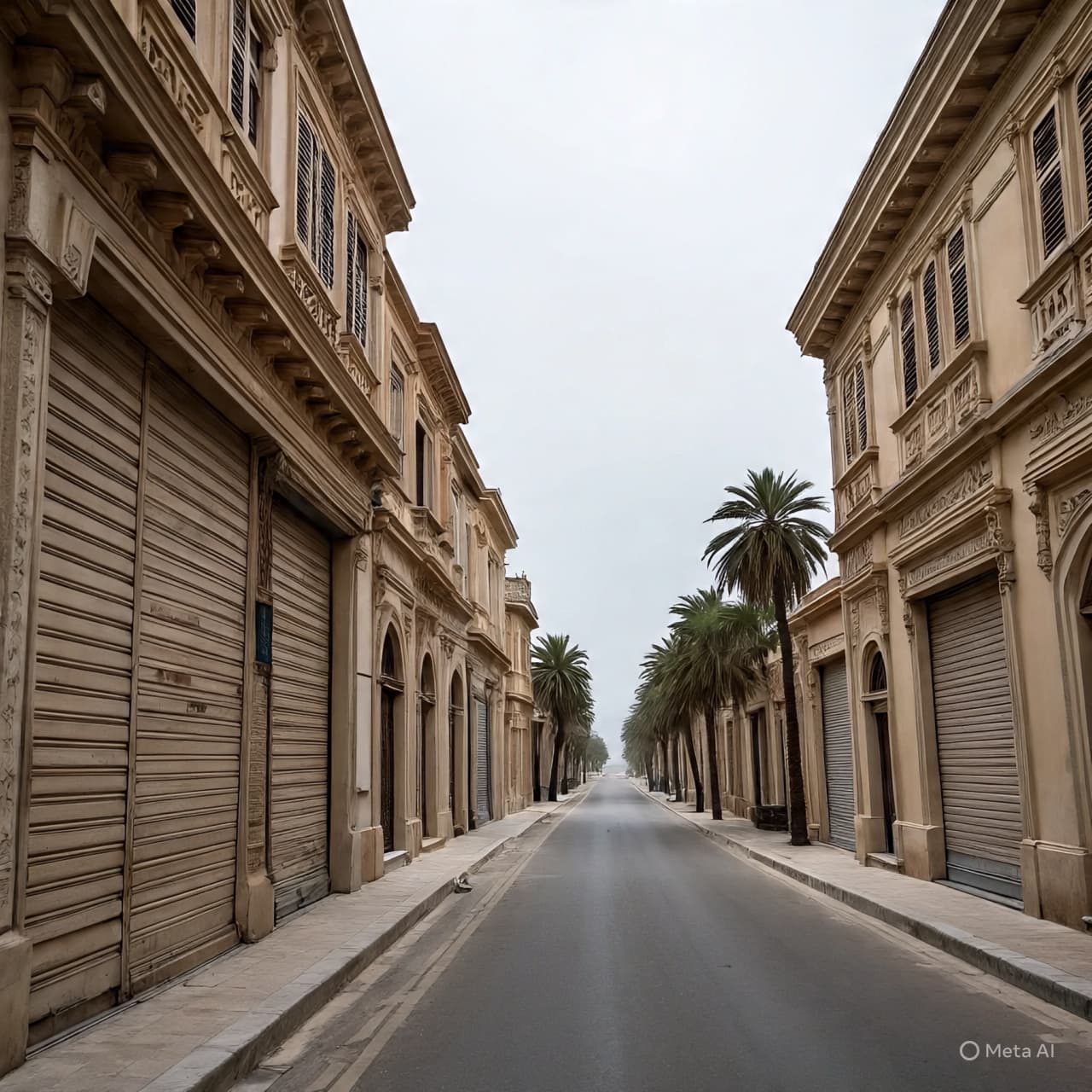
The backdrop of Macron's comments is a series of escalating military exchanges between Israeli forces and Hezbollah, a situation that has been exacerbated since the October attacks by Hamas. In recent weeks, Israeli officials have indicated that military options remain viable if rocket fire from Hezbollah continues. This precarious situation has led to a significant displacement of residents in border villages, where shuttered homes stand as silent witnesses to the ongoing standoff.
France's historical ties to Lebanon, stemming from its past as a mandatory power, lend weight to its diplomatic voice in the region. Macron's caution against a ground offensive is not merely a reflection of humanitarian concern; it is also a strategic move aimed at preserving Lebanon's fragile political landscape. The Lebanese Armed Forces, viewed as a stabilizing force, are crucial to maintaining order amidst the chaos of economic collapse and political paralysis.
In his public remarks, Macron articulated the potential consequences of a broader conflict, warning that a ground offensive could have far-reaching implications for civilians in both southern Lebanon and northern Israel. His statements reflect a coordinated diplomatic effort with European partners and the United States, all of whom advocate for restraint while affirming Israel's right to defend itself.
Within Lebanon, the atmosphere is one of cautious anticipation. The country is grappling with severe economic challenges and the aftermath of the Beirut port explosion. Any escalation of hostilities would further strain an already fragile infrastructure, leading to increased displacement and humanitarian crises. International aid agencies are preparing for potential fallout, updating contingency plans in anticipation of worsening conditions.
On the Israeli side, the military's calculus revolves around security and deterrence. Officials argue that the persistent threat of rocket fire from Hezbollah cannot be normalized. The Israeli military has repositioned forces and fortified defenses, signaling readiness for potential escalation while navigating the diplomatic landscape.
As autumn progresses, the Mediterranean winds carry the scent of salt and smoke, a reminder of the region's volatility. Diplomats are engaged in a delicate dance, crafting statements that seek to promote restraint. Macron's appeal to Netanyahu serves as a reminder of the complexities of influence in a region where history and alliances are deeply intertwined.
The stark reality remains: exchanges of fire continue, and civilians on both sides live under the shadow of uncertainty. While the prospect of a ground offensive looms, the current situation remains contained within the uneasy rhythm of the border. From Paris, the call for measured steps and open channels resonates, but whether these diplomatic efforts can temper the unfolding events remains uncertain. In moments like these, the quiet work of diplomacy seeks to bridge the distance between capitals and front lines, hoping to foster stability in a region marked by turmoil.
Published by Banx Network. This article is part of the Banx decentralized media programme, powered by the BXE token on the XRP Ledger.



