
Key Highlights
- Jellycat's plush toys have gained popularity among young adults in China.
- The brand's growth is linked to emotional spending trends and cultural shifts.
- Social media has played a significant role in the brand's success in China.
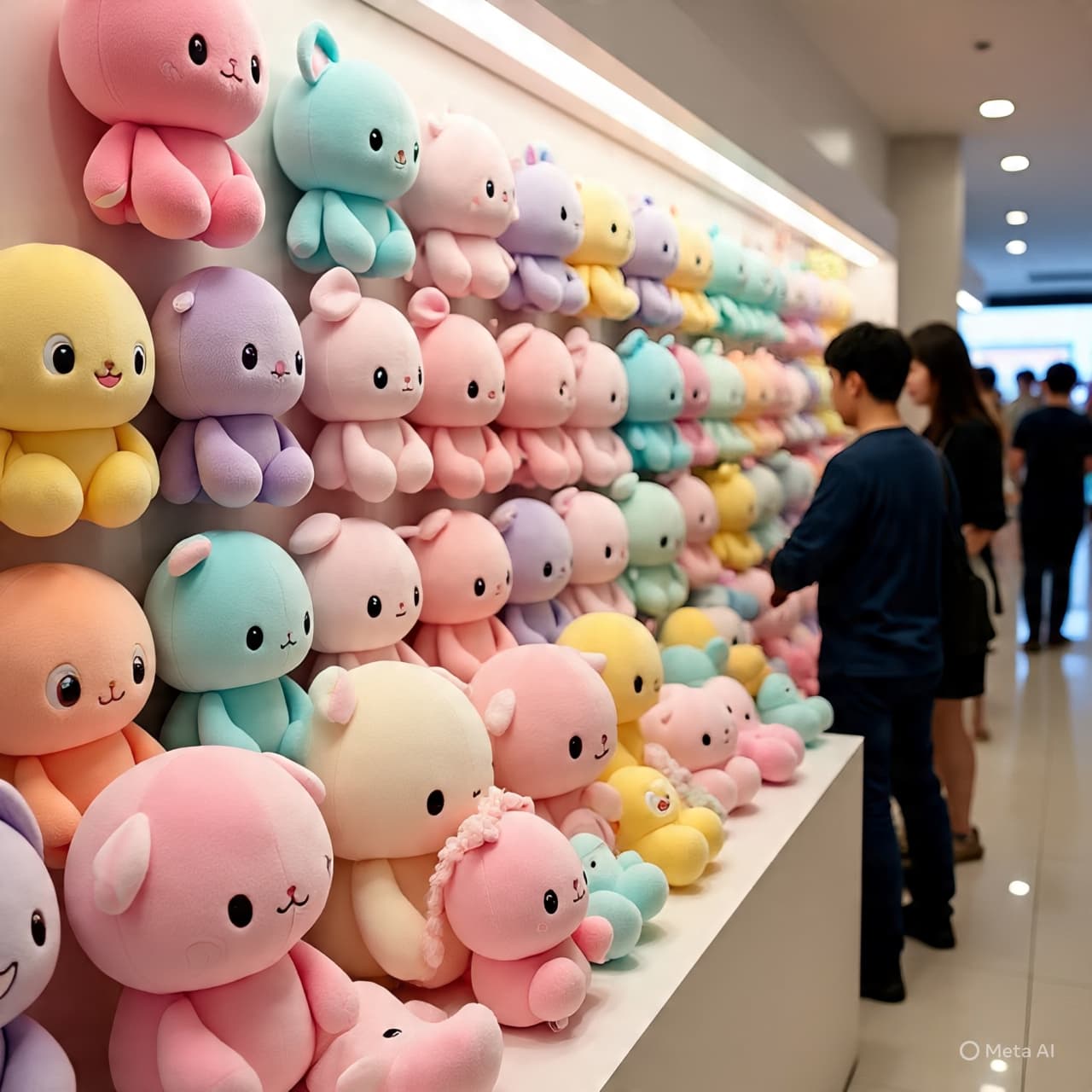
Jellycat, a brand that began in the quaint toy shops of London, has found a surprising and profound resonance among young adults in China. The plush toys, particularly the whimsical “Amuseables” series, have become more than mere merchandise; they have transformed into symbols of comfort and companionship during challenging times. This phenomenon is rooted in the unique cultural landscape of China, where emotional spending has surged, particularly among the youth.
The journey of Jellycat in China can be traced back to the mid-2010s, when the brand first entered the market. Initially aimed at children, Jellycat's plush toys quickly captured the hearts of young adults navigating the pressures of modern life. As the country faced economic slowdowns and social changes, these soft toys provided a tactile escape from the digital noise that often overwhelms daily life. For many, a plush aubergine or a quirky gingerbread house became a source of comfort during long lockdowns and periods of uncertainty.
Social media platforms like RedNote and Xiaohongshu have played a pivotal role in this cultural shift. Users share images of their Jellycat companions, showcasing them in everyday scenarios, from commutes to office desks. The plush toys have become a part of a shared language among young adults, with memes and posts reflecting the humor and exhaustion of adult life. One particular aubergine plush, affectionately dubbed “the boss,” has become a symbol of this trend, illustrating how these toys transcend their original purpose.
Jellycat's marketing strategy has also been instrumental in its success. The brand has embraced limited-edition releases and localized designs, creating a sense of urgency and excitement among consumers. Pop-up experiences in major cities have turned shopping into an adventure, further solidifying Jellycat's place in the hearts of Chinese consumers. Sales figures indicate a remarkable growth trajectory, with China emerging as one of the brand's fastest-growing markets.
However, the appeal of Jellycat's plush toys extends beyond mere economic factors. Analysts note that as adults increasingly view soft toys as lifestyle and emotional companions, these items bridge the gap between childhood nostalgia and contemporary comfort culture. In a world where living costs are rising and social expectations are evolving, Jellycat's plushies offer a simple yet profound solace, reminding individuals that sometimes, the softest things can provide the greatest comfort.
As Jellycat continues to thrive in the Chinese market, it stands as a testament to the power of emotional connection and the enduring appeal of comfort in a rapidly changing world. The brand's journey reflects not just a trend in consumer behavior but a deeper cultural shift towards valuing tangible, comforting experiences in an increasingly digital age.
Published by Banx Network. This article is part of the Banx decentralized media programme, powered by the BXE token on the XRP Ledger.



