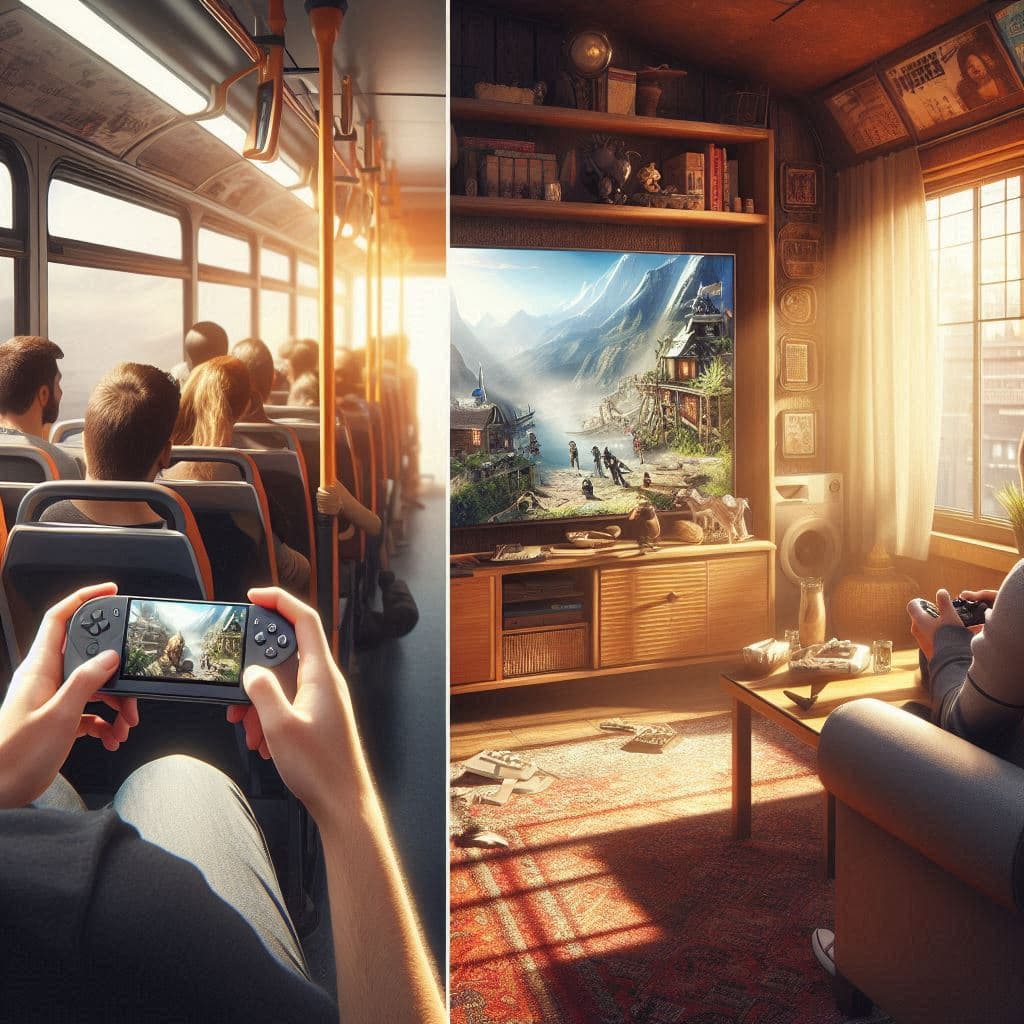
There are moments in technology when success does not arrive with a thunderclap, but with the steady rhythm of footsteps—quiet, persistent, and unmistakable in hindsight. The Nintendo Switch seemed to walk this path, bridging living rooms and journeys, asking players not where they were, but how they wished to play. In its gentle click between handheld and home console, it carried an idea more than a device.
When Nintendo released the Switch in 2017, it did not promise raw power or cinematic realism. Instead, it offered flexibility, a sense of play unconfined by walls. Over the years, this modest proposition resonated across generations, cultures, and continents. Families shared screens, commuters reclaimed idle time, and familiar characters found new life in unexpected places.
Sales numbers eventually told the story more clearly than marketing ever could. With cumulative global shipments surpassing Nintendo’s previous record-holders, the Switch quietly became the company’s best-selling console. It overtook the Wii, a system once defined by its own cultural moment, and did so without chasing trends or abandoning tradition.
Part of this endurance lies in Nintendo’s careful cadence. Rather than racing toward rapid hardware replacement, the company nurtured its platform. Flagship titles such as The Legend of Zelda: Breath of the Wild, Animal Crossing: New Horizons, and Mario Kart 8 Deluxe arrived not as spectacles, but as invitations—open, patient, and welcoming. Each release extended the console’s life rather than exhausting it.
The Switch also benefited from timing. Its rise coincided with a global period when home entertainment became more intimate and portable comfort more valuable. Yet its success cannot be reduced to circumstance alone. The console’s design allowed Nintendo to remain distinct in an industry often defined by comparison. It did not compete loudly; it simply existed differently.
As Nintendo now looks toward future hardware, the Switch stands as a reminder that innovation does not always demand disruption. Sometimes it asks for balance—between old and new, home and away, ambition and restraint. The Switch’s legacy is not merely in units sold, but in how quietly it reshaped the meaning of a console.
AI Image Disclaimer (Rotated Wording)
Illustrations were produced using AI tools and are intended as conceptual visuals, not real photographs.
Source Check (Credible Media Scan)
1. Nintendo (official financial reports) 2. Reuters 3. Bloomberg 4. The Verge 5. IGN
Published by Banx Network. This article is part of the Banx decentralized media programme, powered by the BXE token on the XRP Ledger.