
Key Highlights
- U.S. military strike on Kharg Island targets military installations.
- The strike aims to avoid disrupting global oil exports.
- Analysts warn of escalating tensions in the Middle East.
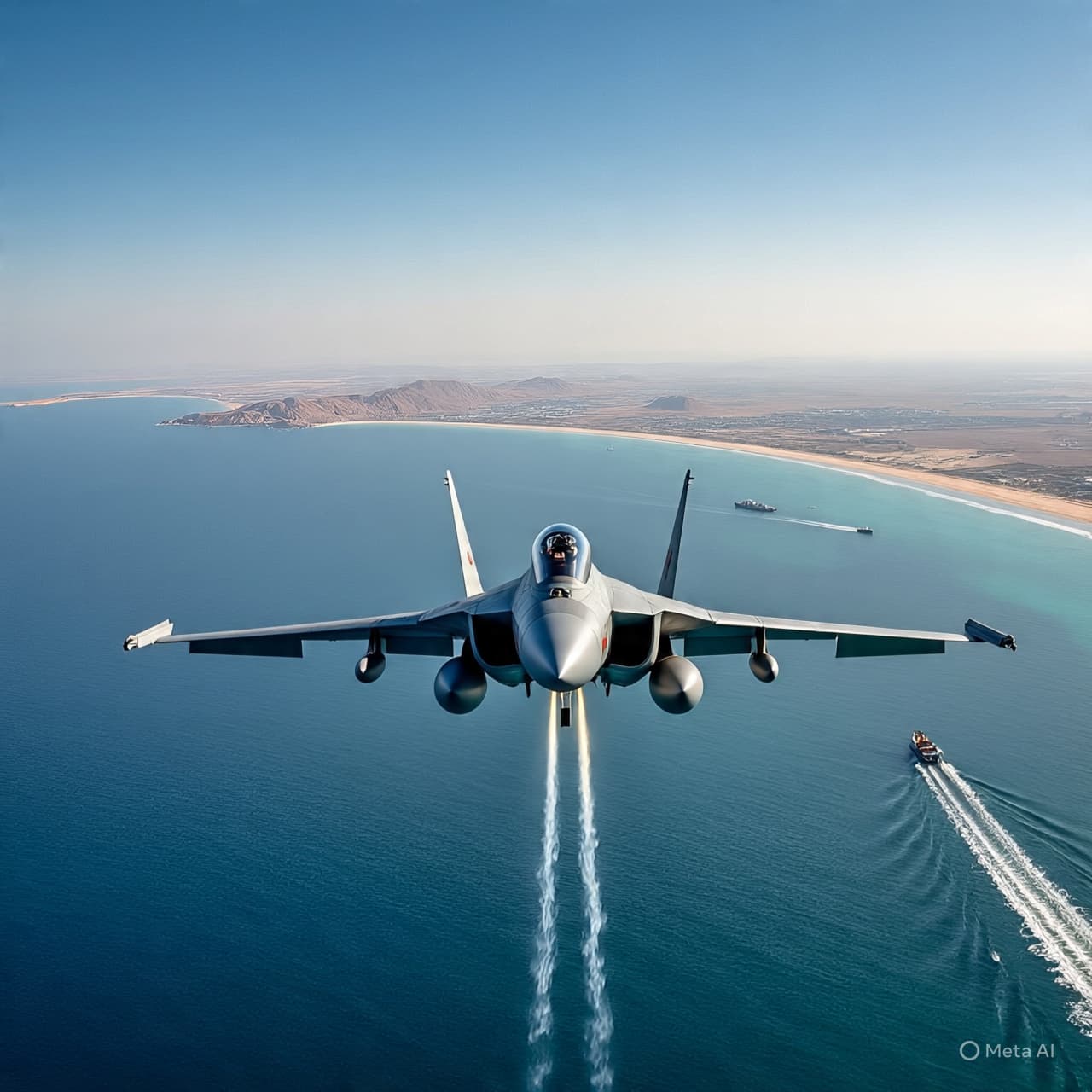
The recent U.S. military strike on Kharg Island, a crucial hub for Iran's oil exports, has raised significant concerns regarding global energy supply and geopolitical stability in the Middle East. Kharg Island, while not heavily populated, has long served as a vital gateway for Iran's crude oil, facilitating a substantial portion of the country's shipments to international markets. The strike, announced by former President Donald Trump, specifically targeted military installations, leaving the island's oil infrastructure intact, a strategic decision aimed at minimizing disruption to global oil markets.
The operation was described as a precision strike that successfully eliminated military targets without affecting the oil export facilities. This distinction is critical, as Kharg Island is central to Iran's crude oil exports, with its extensive network of storage tanks, loading terminals, and pipelines connecting inland oil fields to the Gulf. By sparing the export facilities, the U.S. aimed to send a clear military message while avoiding immediate repercussions on global energy supplies.
However, the strike also served as a warning to Iran and its allies, indicating that any interference with shipping through the strategically significant Strait of Hormuz could provoke further military action. The Strait of Hormuz is a narrow corridor through which a significant share of the world's oil shipments pass, making it a focal point for international trade and energy security. Any threats to this passage can have far-reaching implications, affecting energy markets and diplomatic relations worldwide.
Analysts suggest that this military action signals a broader escalation of tensions in the region, particularly involving Iran, Israel, and the United States. Recent weeks have seen an increase in military confrontations, moving beyond isolated incidents to a more complex standoff. Each development adds layers of uncertainty to a region where energy infrastructure and military strategy are deeply intertwined.
Iranian officials have responded to the strike with warnings of potential retaliation against energy facilities linked to the U.S. or its allies. This reflects a longstanding pattern in the Gulf, where oil infrastructure is viewed not only as an economic lifeline but also as a strategic asset during conflicts. The potential for retaliatory strikes underscores the precarious nature of energy security in the region.
Despite the military action, reports indicate that Kharg Island's oil export system remains operational. Tankers continue to anchor offshore, and shipments have not been halted, suggesting that the immediate impact on global oil supply may be limited. However, the strike has drawn renewed attention to Kharg Island, emphasizing the intricate connections between energy networks and geopolitical stability.
As the world watches the developments in the Gulf, the presence of military forces and the specter of conflict loom over the region. Kharg Island, once a quiet logistical hub, now finds itself at the center of a widening conflict where resources, trade routes, and strategic warnings shape the unfolding narrative. The ongoing situation serves as a reminder of the delicate balance between commerce and conflict in one of the world's most vital energy corridors.
Published by Banx Network. This article is part of the Banx decentralized media programme, powered by the BXE token on the XRP Ledger.



