

In a softly-lit hall of innovation in the heart of Wuhan’s “Optics Valley,” a set of machines hum quietly, while laser beams dance invisibly around cold atoms. It is in this subtle motion that a new chapter in computing has begun. As if moving from the whisper of theory into the voice of commerce, China’s first neutral-atom quantum computer — dubbed Hanyuan No. 1 — has reportedly entered commercial use. The system, developed by the Innovation Academy for Precision Measurement Science and Technology (under the Chinese Academy of Sciences) and supported by Hubei-provincial programmes, is built around “cold” neutral atoms as qubits. The report says it secured more than 40 million yuan in orders — including a sale to a subsidiary of China Mobile and an international customer in Pakistan. What makes the achievement particularly striking is the claim that the device operates at room temperature, a contrast to many quantum machines requiring deep cryogenic cooling. According to the article, the system fits into three standard equipment racks and uses domestically-sourced optics and lasers built in Hubei’s manufacturing cluster. It is more than hardware. The report notes that the platform has been offered with a cloud-based programming interface for enterprises to design quantum algorithms even without specialised physics training. The target application fields include finance modelling and logistics optimisation. We should pause to reflect: this is not yet a universal fault-tolerant quantum computer. Rather, it is a milestone that marks the separation of quantum hardware from strictly academic demonstration and into early commercial deployment. There are still hurdles — scaling qubit count, increasing fidelity, error correction — but the step forward is tangible. In the broader context, China has been steadily advancing quantum hardware in multiple architectures: from superconducting circuits to trapped ions to photonic systems. The neutral-atom approach offers a compelling mix of scalability (many atoms can be trapped and manipulated), stability, and less reliance on extreme cooling. We’ve seen earlier work where Chinese researchers arranged over 2,000 atoms in an array using AI-controlled lasers. However, the “commercial use” designation raises further questions: How many systems are deployed? What quantum-advantage applications are already in operation? What is the actual performance in enterprise settings? The public report limits detail, but the signaling is loud: quantum computing is moving from the lab to real-world workflows. The environment around the deployment is notable too: Hubei province has assembled an industrial chain from chip growth, packaging, lasers, system integration and cloud services — a domestic supply-chain thrust that aligns with China’s goal of tech self-reliance. For enterprises, this means a new class of computing resource may now be accessible: a quantum machine no longer tucked away in research labs, but available commercially in China (and perhaps exported). For the global quantum ecosystem, it suggests that neutral-atom quantum computing is entering the competitive commercial stage — beyond mere prototypes. Yet, a gentle caution remains: while the machine is “commercial,” its practical impact may still be limited and early. Many algorithms remain unproven, error-rates may still be high compared to classical alternatives, and ecosystem maturity (software stack, user base, standards) is still in play. Nonetheless, the narrative shifts. The whisper of possibility becomes a murmur of production. Companies, governments and research institutions will now ask: what can we feasibly run on this machine today? How do we integrate quantum layers into our computing stack? What new problems might now be approachable? And so, as atoms remain trapped in precise laser arrays, a new landscape opens: one where quantum computing is not just an experiment, but a service, a product, a potential tool for industry. The journey from lab bench to enterprise rack has begun in earnest.
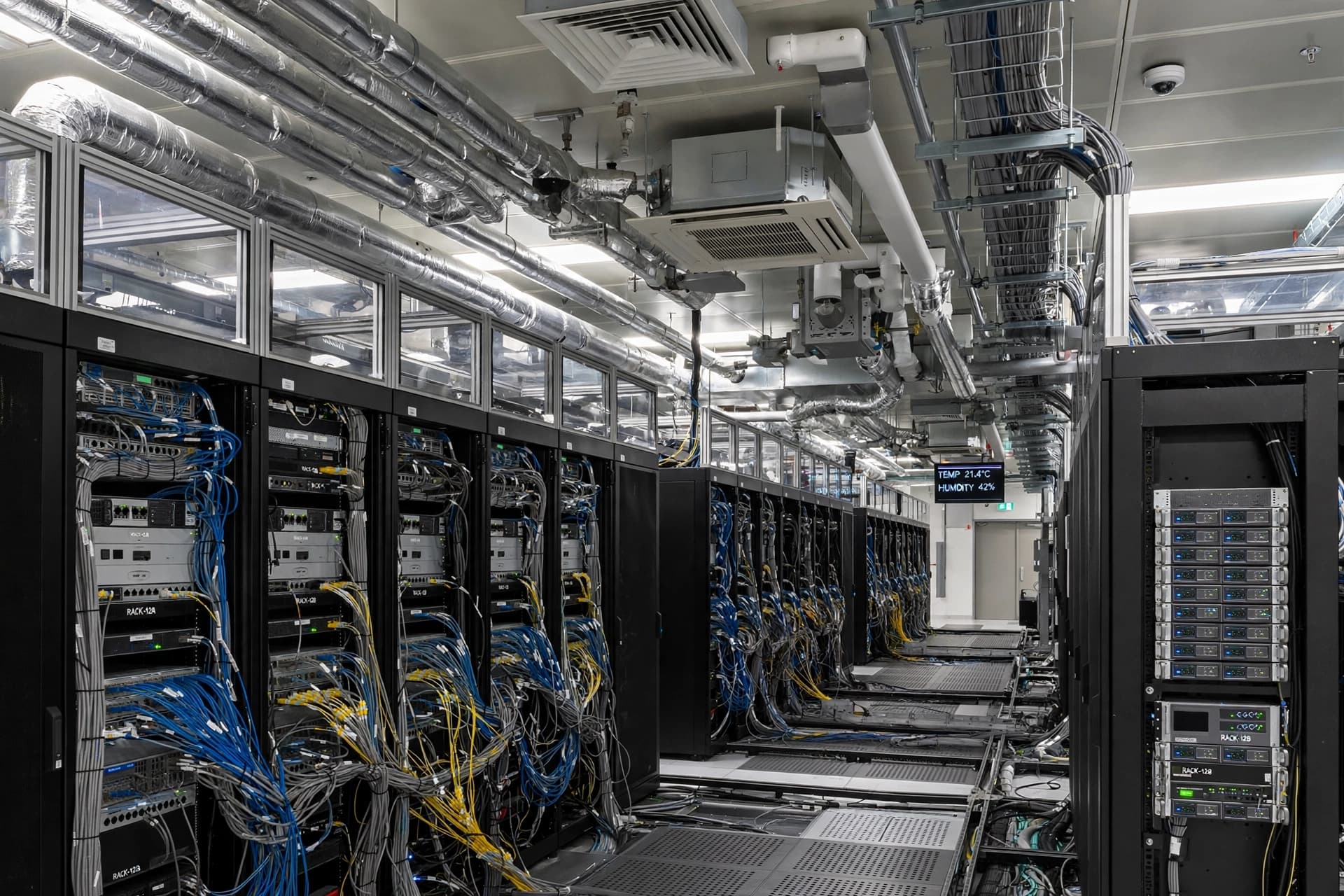
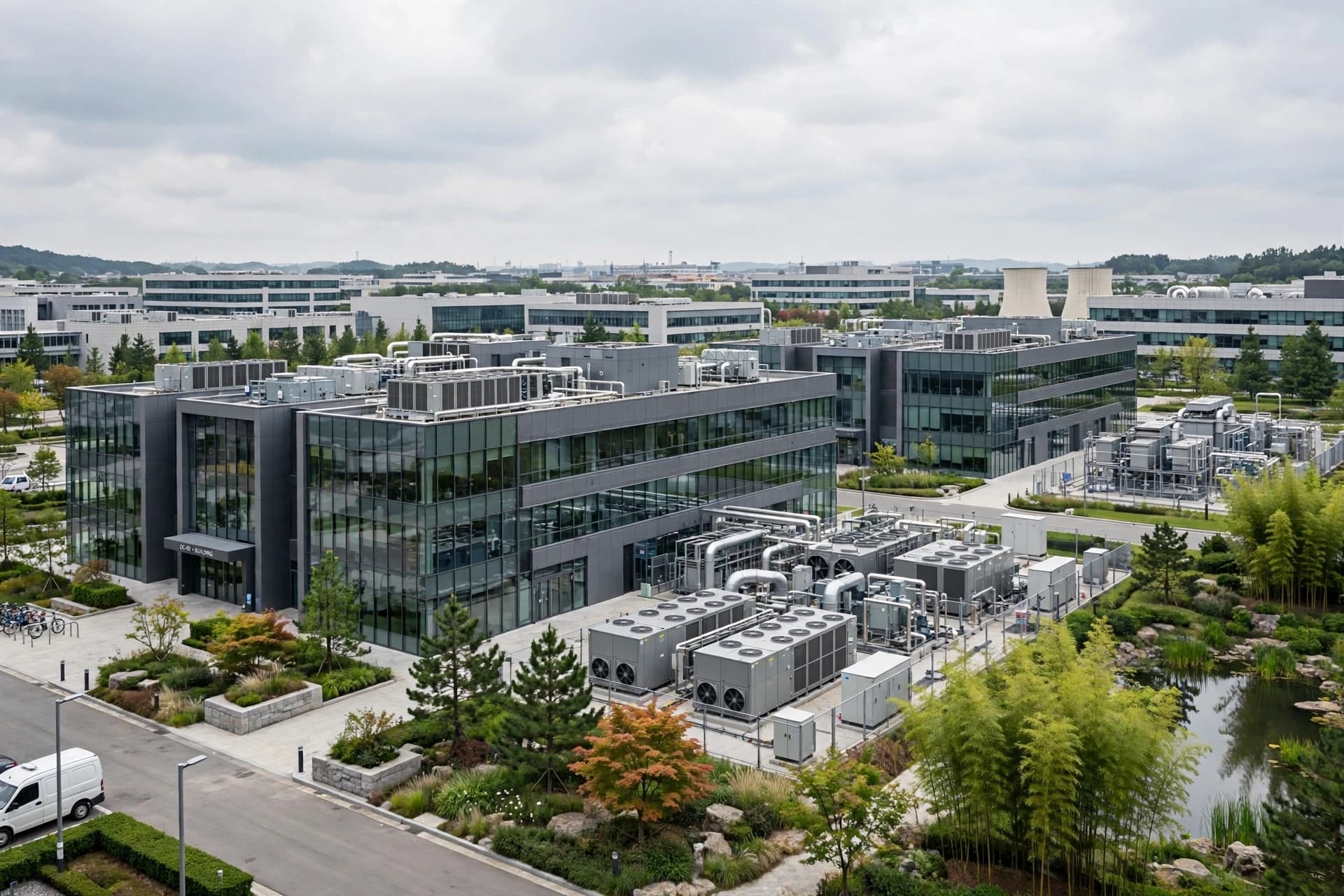
AI Image Disclaimer: “Illustrations were produced with AI and serve as conceptual depictions.”
Sources: The Quantum Insider China ∩ Quantum Brief Interesting Engineering LinkedIn article on neutral-atom quantum market Wikipedia (Hanyuan-1 entry)
Published by Banx Network. This article is part of the Banx decentralized media programme, powered by the BXE token on the XRP Ledger.

.jpg&w=3840&q=75 "The Artemis Revolution: How NASA Plans to Build Humanity's Future on the Moon")