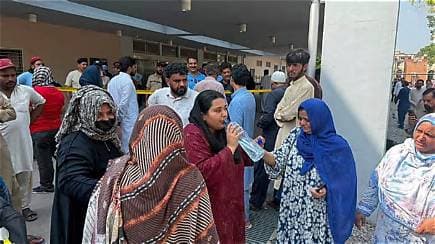
Some journeys are meant to be gentle passages — a river crossing, a pause between destinations, water carrying people forward with quiet assurance. In Laos, that promise was broken when a ferry carrying tourists turned suddenly into a scene of fear, confusion, and loss, its calm surface replaced by screams for help and desperate movement.
The ferry, traveling along a river popular with visitors, capsized in treacherous conditions, triggering a chaotic rescue operation. Survivors later described moments of panic as the vessel listed, water rushed in, and passengers scrambled to escape. Some clung to debris, others to one another, as the current pulled them away from what had moments earlier seemed like an ordinary crossing.
Rescue teams, including local authorities and nearby residents, rushed to the scene as reports of the disaster spread. Boats were deployed to search for survivors, pulling shaken tourists from the water and administering first aid along the riverbank. Despite the swift response, officials confirmed that the incident was fatal, with lives lost before help could reach everyone on board.
Those who survived spoke of disorientation and terror — of hearing cries echo across the water and struggling to understand what was happening in the darkness. Many had little time to react, and some were unable to swim. Life jackets, where available, became lifelines; where they were not, survival depended on chance and the speed of rescue.
Authorities have begun investigating the cause of the disaster, examining weather conditions, passenger numbers, and the ferry’s safety standards. River transport remains a common mode of travel in Laos, particularly in rural and tourist areas, but accidents have periodically raised concerns about regulation, enforcement, and emergency preparedness.
For the families of those who died, the journey ended in unimaginable loss. Embassies are assisting foreign nationals affected by the disaster, while local officials work to identify victims and notify relatives. The river, now calm again, offers little hint of the chaos that unfolded upon it.
As the rescue operation transitions into recovery and investigation, the tragedy leaves behind difficult questions about safety and oversight — and a quieter truth about travel itself. Even the most ordinary crossings carry risk, and when that risk becomes reality, it is measured not only in headlines, but in lives altered forever.
AI IMAGE DISCLAIMER “Visuals are created with AI tools and are not real photographs.”
SOURCES Reuters Associated Press BBC News Al Jazeera AFP
Published by Banx Network. This article is part of the Banx decentralized media programme, powered by the BXE token on the XRP Ledger.