
Key Highlights
- U.S. and Philippines reaffirm commitment to collective defense.
- Advanced defense systems to be positioned in the Philippines.
- Joint maritime drills enhance regional security and cooperation.
The South China Sea, a vital artery for global trade, has become a focal point of geopolitical tension, particularly between the United States and China. In recent discussions, the U.S. and the Philippines have reiterated their commitment to collective defense, emphasizing the importance of maintaining stability in this contested region. This commitment comes at a time when nearly a quarter of the world's maritime trade traverses these waters, making it crucial for nations to safeguard their interests.
In Manila, U.S. officials have engaged in dialogues aimed at strengthening alliances and enhancing security measures. The discussions have highlighted the shared history and strategic ties between the U.S. and the Philippines, which have been shaped by both colonial legacies and mutual aspirations for sovereignty. As tensions with China continue to escalate, both nations are focused on ensuring that sea lanes remain open and unobstructed, a principle that is vital for regional stability.
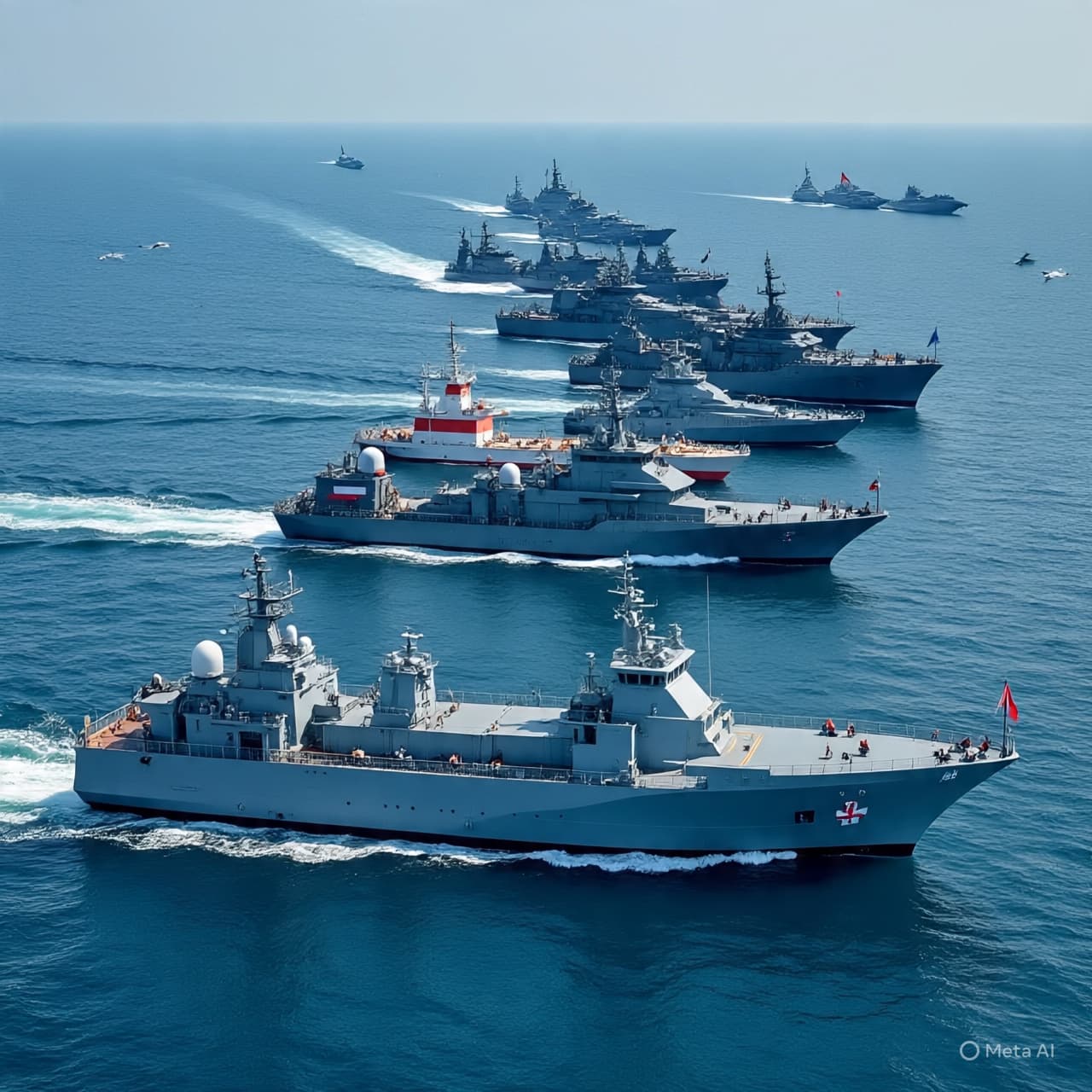
To bolster their defense posture, the U.S. plans to position advanced missile systems and unmanned technologies in the Philippines. This strategic deployment is part of a broader initiative to enhance readiness and interoperability among allied forces. Joint maritime exercises, involving U.S., Philippine, and Australian naval vessels, are designed to foster cooperation and demonstrate a united front in the face of rising uncertainties in the region.
However, the South China Sea is not merely a backdrop for military maneuvers; it is a complex geopolitical landscape marked by overlapping territorial claims and historical grievances. Incidents such as confrontations near the Second Thomas Shoal serve as reminders of the delicate balance that exists in these waters. The intricate geography, characterized by reefs and shoals, complicates the navigation of both military and commercial vessels, making diplomatic engagement essential.
The U.S. approach to the South China Sea is guided by principles of freedom of navigation and peaceful dispute resolution. Washington's ongoing engagement in the region reflects its commitment to uphold international law and promote stability. This strategy not only addresses immediate security concerns but also underscores the importance of collaborative efforts among regional partners.
As the sun sets over the South China Sea, the waters may appear calm, but beneath the surface lies a complex interplay of strategy and diplomacy. The U.S. and its allies are navigating these waters with a focus on building resilient partnerships that can withstand the challenges posed by an assertive China. The future of the region hinges on the ability of these nations to work together, ensuring that the tides of influence remain balanced and that peace prevails in this vital maritime corridor.
In summary, the U.S. and Philippines are taking significant steps to reinforce their defense commitments in the South China Sea. By enhancing military readiness and fostering cooperation through joint exercises, they aim to preserve freedom of navigation and maintain a peaceful regional order amidst ongoing tensions with China. The evolving dynamics in this critical area will continue to shape the geopolitical landscape in the Indo-Pacific.
Published by Banx Network. This article is part of the Banx decentralized media programme, powered by the BXE token on the XRP Ledger.



