
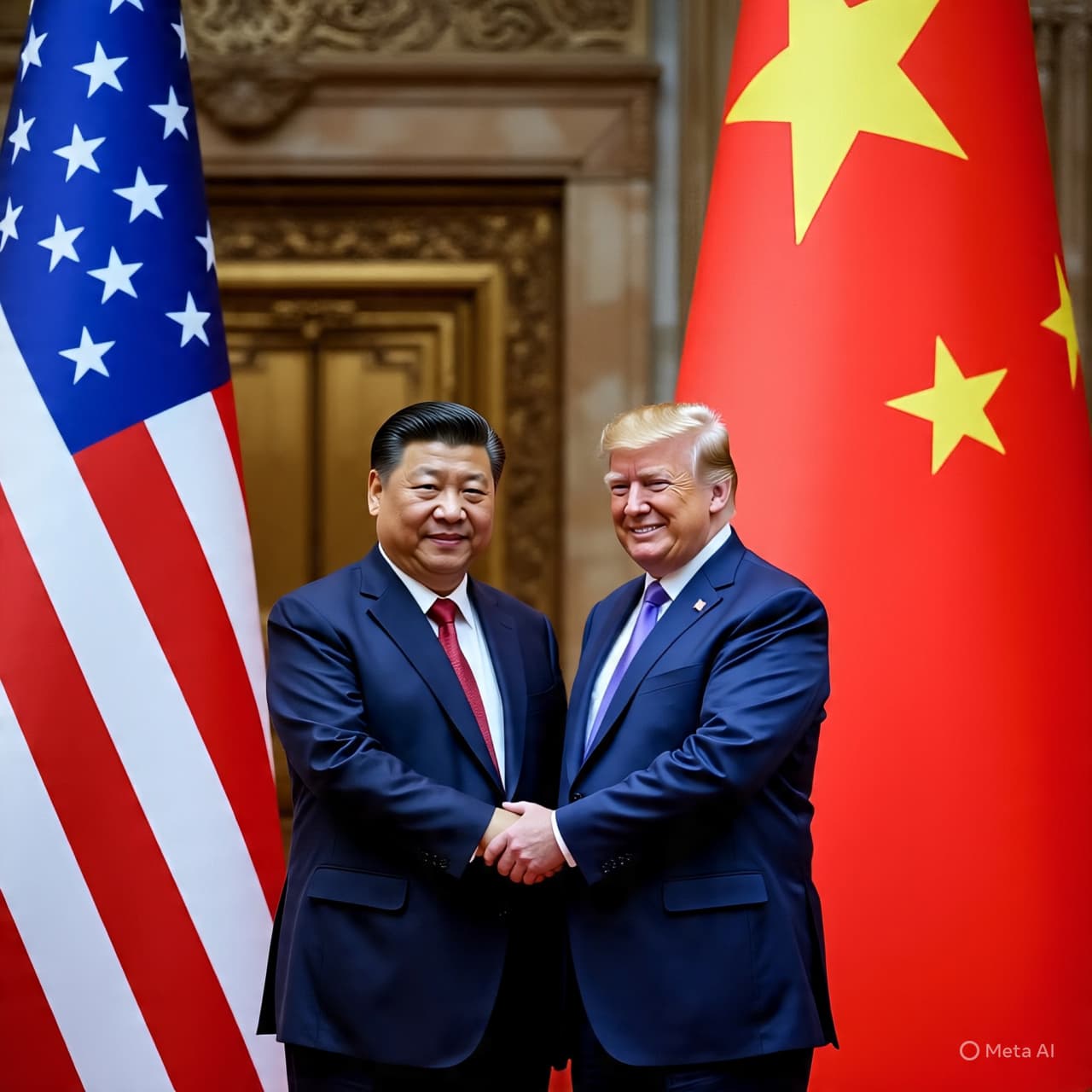
Key Highlights
- Trump’s Asia trip included significant trade agreements.
- Key stops included Malaysia, Japan, and South Korea.
- The trip showcased a new approach to American diplomacy.
Donald Trump's recent trip to Asia marked a pivotal moment in his administration's approach to foreign relations, characterized by a series of trade deals and high-profile diplomatic engagements. Over the course of five days, Trump visited key nations including Malaysia, Japan, and South Korea, where he not only delivered speeches but also signed multiple agreements aimed at bolstering economic ties and enhancing regional stability.
In Malaysia, Trump signed several mineral and investment deals, signaling a commitment to strengthening economic partnerships in Southeast Asia. These agreements are expected to create jobs and stimulate growth in both the U.S. and the host countries. The significance of these deals extends beyond mere financial transactions; they represent a strategic effort to counter China's growing influence in the region.
Japan was another focal point of Trump's trip, where he met with Prime Minister Shinzo Abe. The two leaders discussed various issues, including trade imbalances and security concerns in the Asia-Pacific region. Trump's approach emphasized a transactional style of diplomacy, where economic benefits are prioritized alongside traditional diplomatic discussions. This method has drawn both praise and criticism, as some view it as a necessary shift in U.S. foreign policy, while others argue it undermines long-standing alliances.
In South Korea, Trump addressed the ongoing tensions with North Korea, reaffirming the U.S. commitment to defending its allies in the region. His meetings included discussions on military cooperation and economic sanctions against the North. The backdrop of these discussions was the recent missile tests conducted by North Korea, which have heightened security concerns among neighboring countries.
One of the more notable outcomes of Trump's Asia trip was the border ceasefire pact between Thailand and Cambodia, which he presided over. This agreement is a testament to the potential for U.S. involvement in mediating regional conflicts, showcasing a more active role for American diplomacy in Southeast Asia. The pact aims to foster peace and stability in a historically volatile area, further enhancing the U.S.'s reputation as a global leader.
As Trump continues to navigate the complexities of international relations, his Asia trip serves as a reflection of his administration's broader strategy. By focusing on trade and economic partnerships, Trump aims to reshape America's role on the global stage, moving away from traditional diplomatic norms towards a more business-oriented approach. The long-term implications of these deals and engagements will be closely monitored as they unfold in the coming months.
Published by Banx Network. This article is part of the Banx decentralized media programme, powered by the BXE token on the XRP Ledger.



