A new mix of economic signals and business developments is offering a revealing snapshot of the changing shape of the American economy, where inflation data, retail power shifts, and evolving tech-driven business models are colliding in visible ways.
Investors and policymakers are closely watching fresh personal consumption expenditures (PCE) data, a key inflation indicator that helps guide expectations around interest rates and monetary policy. The data arrives at a time when inflation pressures remain a central concern for households, businesses, and financial markets, shaping everything from consumer spending to corporate investment decisions. Even small shifts in inflation trends now carry outsized influence over market sentiment and policy outlooks.
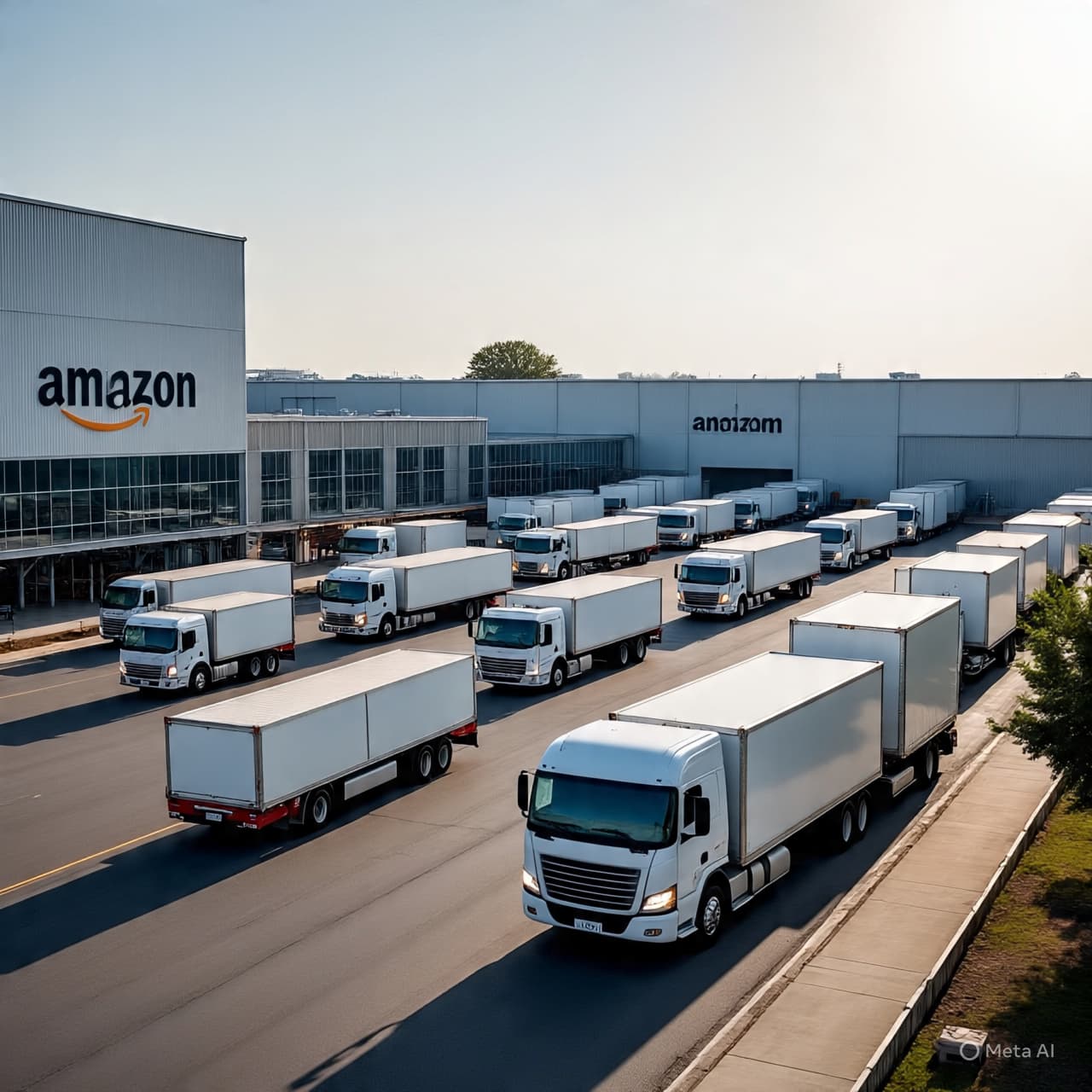
At the same time, the retail landscape continues to evolve. Amazon’s rise past Walmart in key measures of market dominance reflects a longer-term transformation in how Americans shop, how goods move through supply chains, and how digital platforms reshape traditional retail models. This shift is not simply about market rankings, but about structural change in logistics, consumer behavior, and the balance between physical and digital commerce.
Alongside these developments, Silicon Valley is witnessing the emergence of new micro-economies, including the phenomenon sometimes referred to as “vanlords.” This trend reflects the growing presence of individuals and small operators converting vans and mobile spaces into rental units, workspaces, or commercial services, often driven by housing pressures, rising living costs, and flexible work patterns in tech-centered regions.
Taken together, these stories point to a broader transformation underway. Inflation remains a defining force, shaping policy and household decisions. Retail power continues to concentrate in digital platforms with global reach. And local economies, especially in tech hubs, are adapting in unconventional ways to cost pressures and changing lifestyles.
What connects these seemingly separate developments is a shared economic tension: adaptation. Businesses are adapting to shifting consumer behavior, workers are adapting to new cost structures, and policymakers are adapting to an economy where traditional indicators and old models no longer fully capture reality.
Looking ahead, the interplay between inflation data, corporate power shifts, and emerging informal economies will likely remain central to understanding the direction of the U.S. economy. The signals may come from different sectors, but together they tell a single story of transition—an economy redefining how value is created, distributed, and sustained in a rapidly changing world.
AI Image Disclaimer
This image was generated using artificial intelligence for illustrative purposes only and does not depict real individuals or specific events.
Sources
Reuters Bloomberg The Wall Street Journal CNBC Financial Times
Published by Banx Network. This article is part of the Banx decentralized media programme, powered by the BXE token on the XRP Ledger.