Indonesia's roads have long carried a mixture of motorcycles, family cars, buses, trucks, and commercial vehicles through cities and rural landscapes. Now another form of mobility is gradually becoming more visible, powered not by conventional engines but by batteries and electric motors.
The country aims to begin mass production of domestically manufactured electric vehicles by 2028, according to Reuters. The plan reflects Indonesia's broader ambition to develop a stronger domestic automotive industry while making greater use of its natural resources. (reuters.com)
Indonesia has an important resource advantage in this effort. The country is one of the world's major producers of nickel, a mineral used in several types of batteries. That position has encouraged investment in battery processing and related industries as manufacturers seek to build supply chains closer to sources of critical materials.
Yet minerals alone do not create an automotive industry. Electric vehicle production requires battery technology, motors, electronics, software, assembly plants, component suppliers, skilled workers, charging infrastructure, and consumers willing to adopt the vehicles.
Indonesia has therefore been pursuing a broader industrial strategy around electric mobility. The goal is to capture more value domestically rather than simply exporting raw materials, gradually connecting mining and processing with manufacturing.
The automotive sector also gives Indonesia an opportunity to deepen its role in regional supply chains. Southeast Asia has become an increasingly important manufacturing base, with companies seeking production locations that offer access to large consumer markets and strategically important resources.
For consumers, the growth of electric vehicles could gradually change the appearance and economics of transportation. Electric cars have different maintenance requirements from conventional vehicles, while their operating costs can be influenced by electricity prices, battery efficiency, and charging availability.
The government has also indicated plans to support electric vehicle adoption through measures designed to encourage demand. Earlier this month, Indonesian authorities announced that new stimulus measures were being prepared to promote electric vehicle sales, including electric motorcycles. (reuters.com)
Infrastructure remains an important piece of the transition. Greater electric vehicle use requires charging stations, reliable electricity networks, battery servicing, and systems capable of supporting vehicles across Indonesia's large geographic area.
The 2028 production target therefore represents more than a manufacturing date. It sits within a longer attempt to connect Indonesia's mineral resources, industrial capacity, energy transition, and domestic consumer market.
For now, Indonesia's plan remains an ambition requiring investment and coordination across multiple industries. If production develops as planned, locally manufactured electric vehicles could become another stage in the country's effort to move from resource production toward higher-value industrial manufacturing. (reuters.com)
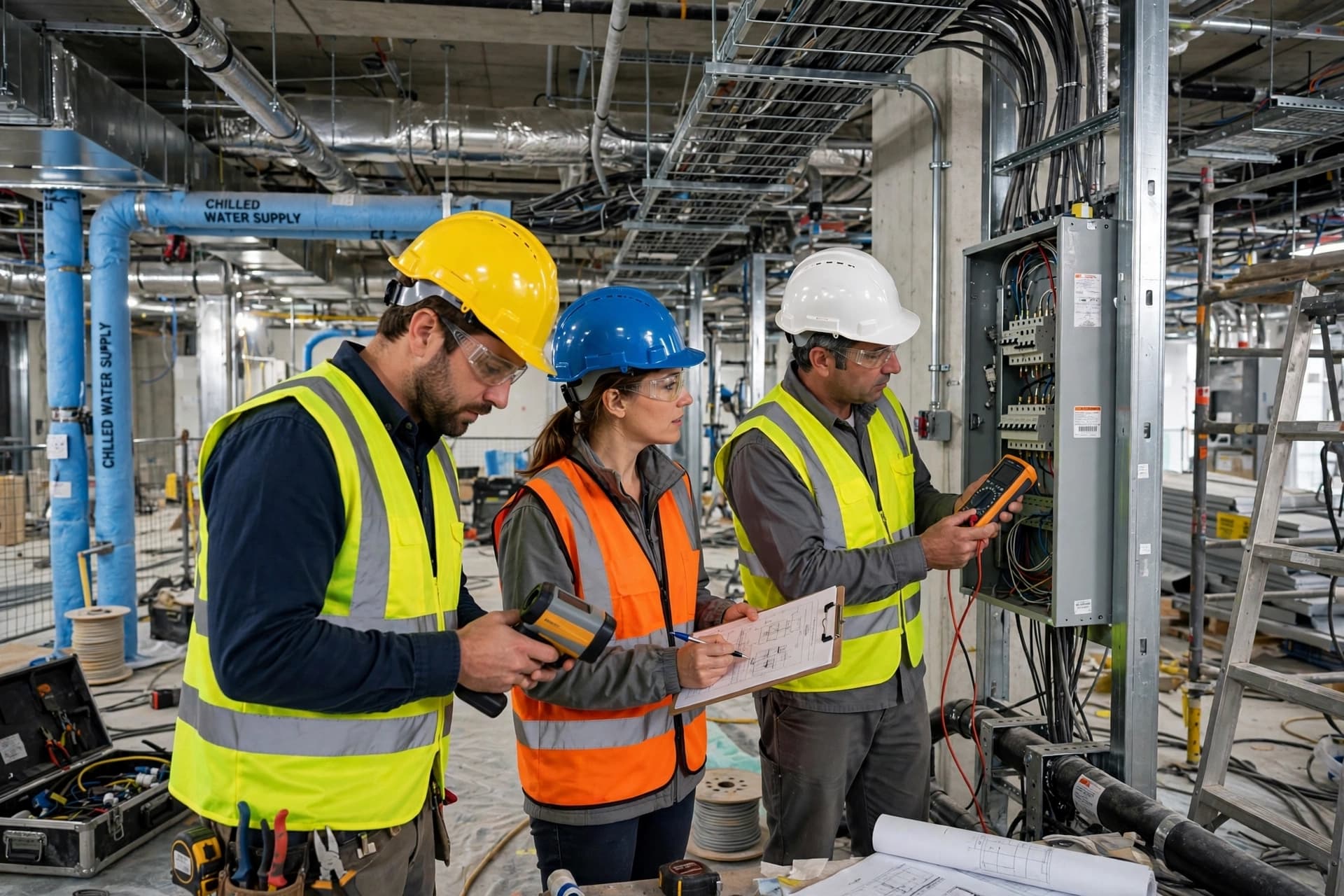
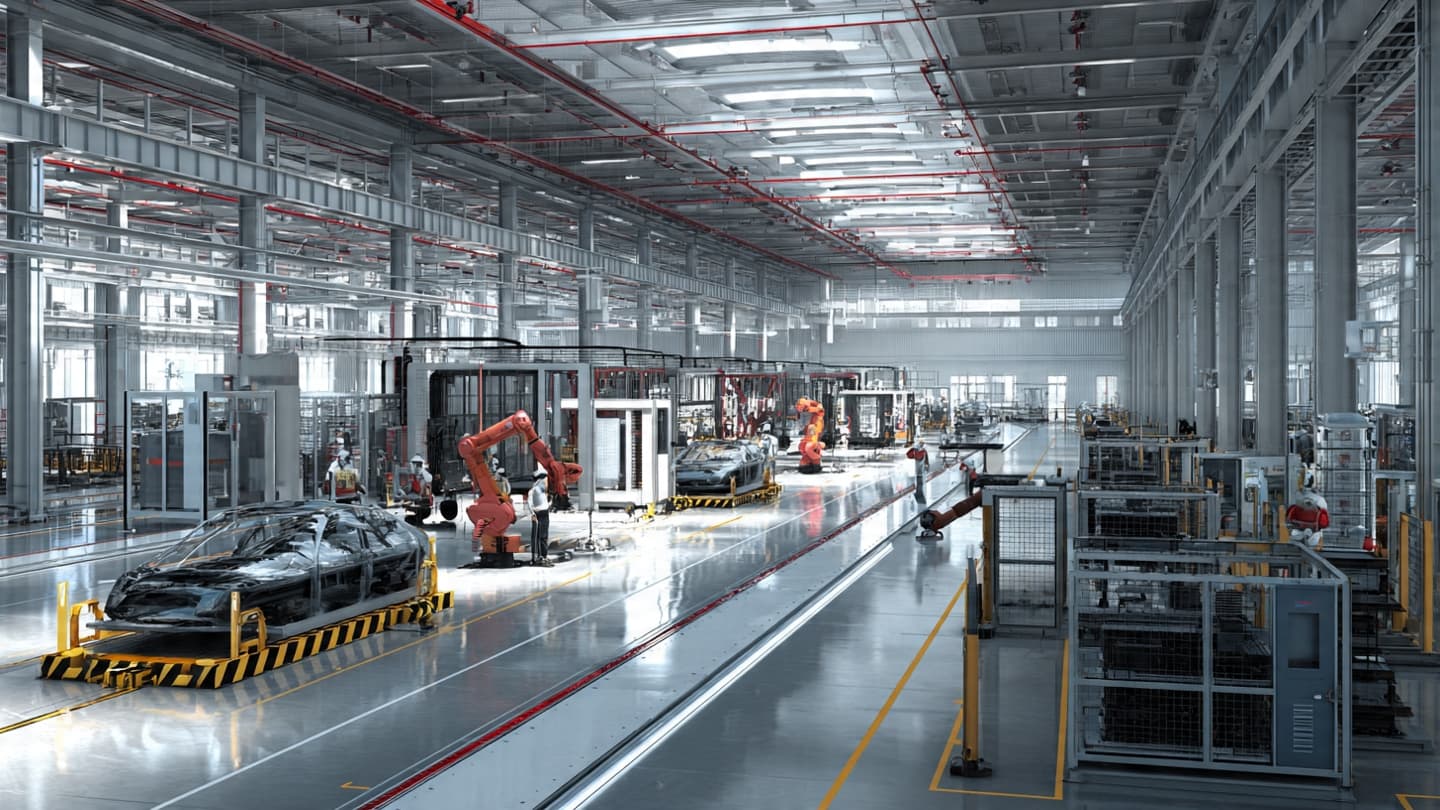
AI Image Disclaimer The accompanying illustrations are AI-generated conceptual representations of Indonesia's emerging electric vehicle industry and do not depict actual production facilities.
Sources Reuters Ministry of Industry of Indonesia Ministry of Energy and Mineral Resources ANTARA News International Energy Agency
Published by Banx Network. This article is part of the Banx decentralized media programme, powered by the BXE token on the XRP Ledger.