
Key Highlights
- Greenland's strategic location is increasingly relevant in global discussions.
- The Munich Security Conference highlighted climate change's impact on Arctic geopolitics.
- Lawmakers emphasized the need for cooperation in Arctic defense and infrastructure.
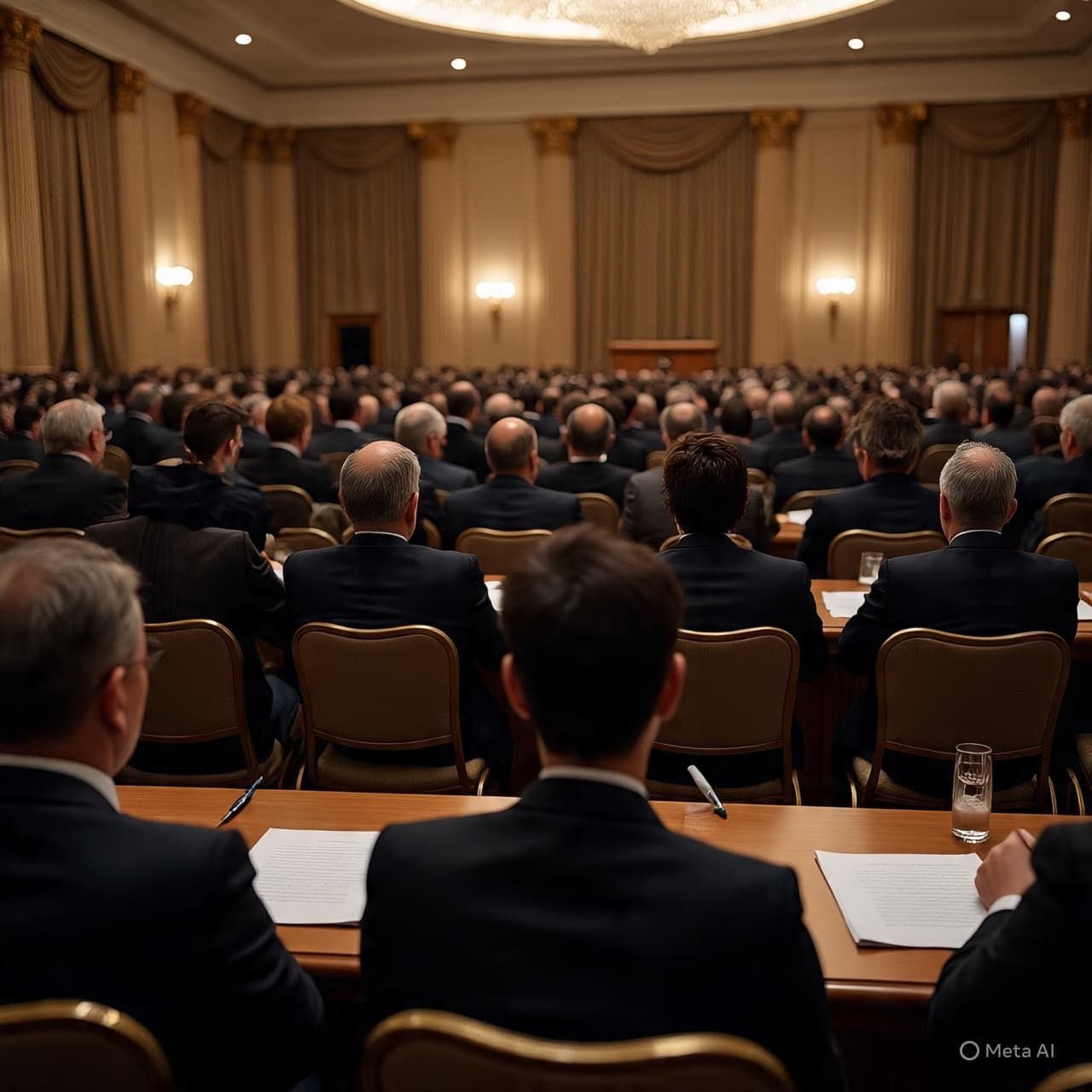
The Munich Security Conference, held annually in the heart of Bavaria, serves as a critical platform for global leaders to discuss pressing security issues. This year, amidst the usual discussions of alliances and military strategies, a notable focus emerged on Greenland—a vast, icy expanse that is becoming increasingly significant in international relations. As delegates navigated the conference halls, the conversations frequently returned to the implications of Greenland's geography and climate change on global security dynamics.
Greenland, while often overlooked due to its sparse population and remote location, has found itself at the center of strategic discussions. Its position between North America and Europe, coupled with the melting ice that is opening new shipping routes, has made it a focal point for lawmakers. The urgency surrounding these discussions is palpable, as the once-theoretical Arctic passages are now becoming viable, prompting nations to reconsider their military and economic strategies in the region.
During the conference, lawmakers expressed concerns about the increasing military presence in the Arctic and the vulnerabilities that come with it. The discussions highlighted the need for a coordinated approach to defense and infrastructure in Greenland, particularly given Denmark's role in overseeing its foreign affairs. This relationship adds complexity to the geopolitical landscape, as the interests of various nations converge on this strategically vital territory.
Despite the gravity of the discussions, the tone remained measured. Greenland was not portrayed as a potential flashpoint for conflict but rather as a reminder of the enduring significance of geography in a rapidly changing political landscape. Climate change, which is affecting the Arctic more severely than other regions, has compressed timelines and altered assumptions about the future. What may take decades to unfold elsewhere is happening in years in the Arctic, prompting a reevaluation of priorities among global leaders.
As the conference progressed, the theme of Greenland's importance continued to resonate. Conversations about deterrence and cooperation frequently referenced the island, illustrating how its landscape symbolizes broader transformations in international relations. The discussions served as a wake-up call for many delegates, emphasizing that the Arctic is not a distant concern but a pressing issue that requires immediate attention.
As the Munich Security Conference concluded, delegates stepped back into the winter streets, carrying with them a renewed sense of urgency regarding Greenland. While no formal resolutions were passed specifically addressing the Arctic, the discussions indicated a significant shift in perspective. Greenland had not actively sought attention; rather, it had naturally emerged as a focal point due to its geographical significance and the changing dynamics of the world around it. In this quiet recalibration of priorities, the far north has moved closer to the center of global discourse, highlighting the need for collaborative efforts in addressing the challenges posed by climate change and geopolitical competition.
Published by Banx Network. This article is part of the Banx decentralized media programme, powered by the BXE token on the XRP Ledger.



