In a quiet moment beneath the hum of data-centres, Google Cloud Bigtable stepped into a new phase of its evolution. On October 28, 2025, Google announced the preview of a tiered storage feature for Bigtable—designed to help organisations manage vast, shifting datasets by moving older, less-frequently-accessed data into a cheaper “infrequent access” tier without losing visibility or integration.
This isn’t a mere tweak. It is a recognition that data is no longer simply created and used, but also aged and archived—and yet, in its mature form, may hold value for analytics, compliance or insight. Bigtable’s new architecture allows users to keep both hot (SSD) and colder (infrequent access) data in the same table, managed under one API, one system, one schema.
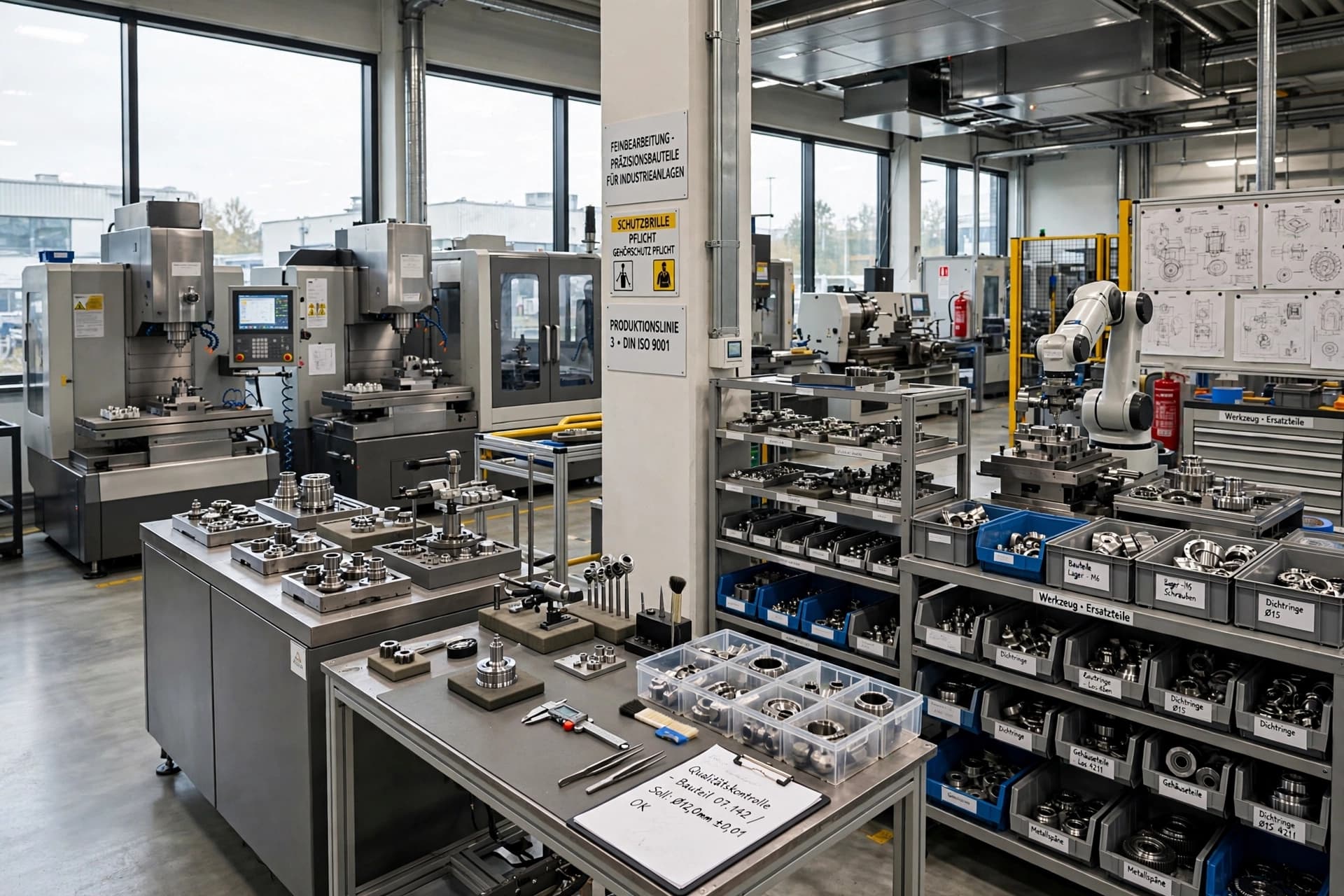
For organisations wrestling with the dual demands of real-time access and historical depth—say, sensor time-series in manufacturing, telemetry in connected vehicles, large-scale logs, or even long-term customer records—this feature opens a choice: keep the full picture, not just recent slices. Google argues this helps users “store more data, keep it longer, for less.” AI image disclaimer:
Images generated by AI may not depict real people, places or events with perfect accuracy.
Source : googlenews
Published by Banx Network. This article is part of the Banx decentralized media programme, powered by the BXE token on the XRP Ledger.