Financial markets often move ahead of headlines, translating sentiment into numbers before speeches can catch up. On trading screens that glow before sunrise, futures contracts become a quiet forecast—reflecting expectations about oil prices, inflation, and the broader rhythm of the global economy.
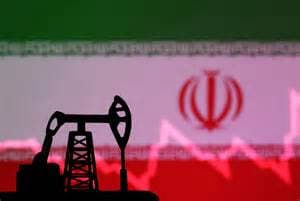
Early signals from Dow Jones futures have been shaped in part by shifting energy costs, as oil markets react to geopolitical developments. Investors watch crude benchmarks closely because energy remains intertwined with transportation, manufacturing, and consumer prices. When oil rises, it can ripple outward—touching everything from gasoline pumps to corporate earnings projections.
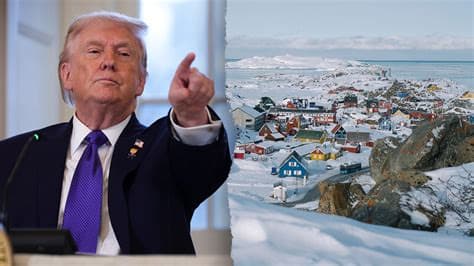
At the same time, political rhetoric has re-entered the economic conversation. President Donald Trump recently described the ongoing conflict with Iran as receiving strong backing among his political base, framing the moment as one aligned with his supporters’ views. Such statements, while political in tone, can influence investor psychology indirectly, especially in periods when markets are already sensitive to energy volatility and global uncertainty.
Oil prices remain central to the narrative. Energy traders monitor developments in the Strait of Hormuz and regional stability, aware that disruptions can affect supply chains well beyond the Middle East. Even the possibility of escalation can shift futures contracts, prompting adjustments in portfolios that span equities, bonds, and commodities.
Stock index futures, including those tied to the Dow, tend to reflect a blend of factors: corporate earnings outlooks, inflation expectations, interest rate forecasts, and international developments. When energy prices rise, analysts often reassess inflation projections. Higher inflation can, in turn, shape expectations for monetary policy decisions, particularly from the Federal Reserve. These layered dynamics mean that oil markets and equity futures frequently move in conversation with one another.
For some investors, the focus is less on political commentary and more on macroeconomic indicators—jobs data, productivity trends, consumer spending, and earnings guidance. For others, headlines about conflict can heighten perceived risk, leading to temporary shifts toward defensive assets. Futures markets, in this sense, function as an early sentiment barometer rather than a definitive verdict on economic direction.
Despite fluctuations, markets have demonstrated resilience in recent years, recovering from volatility driven by inflation cycles and global disruptions. Yet short-term movements in oil prices continue to matter. Even modest increases can alter expectations about consumer costs, corporate margins, and overall growth.
As trading sessions unfold, analysts will continue weighing energy developments alongside domestic data releases. The interaction between geopolitical events and market pricing remains complex and dynamic. While political narratives may emphasize confidence or momentum, futures markets tend to translate uncertainty into probabilities, adjusting minute by minute.
In the coming days, investors will look for stability in oil prices and clarity in global developments. Whether Dow futures maintain upward momentum or respond to renewed volatility will depend not only on speeches and statements, but also on supply conditions, economic reports, and the steady flow of information that guides financial decision-making.
AI Image Disclaimer The visuals are AI-generated and provided as illustrative representations of the described themes.
Sources Associated Press Dow Jones Market Data Reuters Bloomberg Federal Reserve
Published by Banx Network. This article is part of the Banx decentralized media programme, powered by the BXE token on the XRP Ledger.