There are moments — faint and whisper‑thin — when a great machine turns from a promise of light to a mirror for our own deeper questions. In the corridors where code is woven and the quiet hum of servers underpins much of our daily thought, a new chapter has opened that reaches far beyond lines of software or enterprise dashboards. It reaches into the crevices where ethics, ambition, and national power converge, where the future of artificial intelligence is measured not just in teraflops but in judgment and trust.
In recent days, OpenAI, a company whose name has become almost synonymous with the promise and peril of advanced artificial intelligence, announced a formal agreement with the United States Department of Defense. This pact — unfolding against the backdrop of fractious negotiations between the Pentagon and other AI firms — commits OpenAI’s systems to serve on classified military networks under terms that its leadership says make clear certain boundaries, including prohibitions on domestic mass surveillance and on autonomous weapons systems without human authority. The details of this contract have not been publicly released, and for many observers the unseen terrain of classified networks feels like the dark side of a moon, distant yet quietly influential in the light we see.
The imagery of code flickering behind encryption and oversight committees moving in silence is one of abstract force and subtle motion. CEO Sam Altman has acknowledged that the initial rollout of this agreement “looked opportunistic and sloppy,” and later amended language in response to feedback, underscoring a commitment to guardrails that prevent use of the company’s technology for certain contentious purposes. Even so, the lack of full contractual transparency has left a palpable residue of uncertainty in public discourse, a sense that the most consequential aspects of modern technology are unfolding behind veils — and that the judgment of a company, even one with noble aims, must inevitably intersect with the will and reach of states and militaries.
This convergence of powerful engines — of human aspiration sitting beside the disciplined apparatus of national defense — has drawn both internal and external reflection. Within OpenAI, a notable departure has occurred: Caitlin Kalinowski, who led the company’s robotics team, resigned in protest over the Pentagon agreement, expressing concern that issues as weighty as surveillance without judicial oversight and lethal autonomy without human authorization deserved more deliberation before becoming part of ongoing contracts. Her exit was framed not as a rejection of her colleagues, but as a matter of principle, pointing toward the uncharted emotional and ethical landscapes that emerge when engineering meets matters of life and oversight.
Among critics and advocates, the contours of the debate are varied. Some urge that AI has an important role to play in national security, and that thoughtfully constructed terms — even if imperfect — offer a way forward in an era where technological advantages are inseparable from geopolitical realities. Others maintain that without full transparency, public trust will fray, leaving citizens adrift in a sea of contractual assurances they cannot see and cannot fully evaluate. Across social communities and within the tech sector itself, a chorus of voices calls for deeper scrutiny, for mechanisms of oversight that extend beyond corporate commitments to the public sphere.
In the quiet moments after these announcements, when the glow of screens dims and the abstract syntax of agreements gives way to broader reflection, there remains a simple, human question at the core of it all: Who determines the limits of emerging technology when its reach intersects with matters of war and peace? For some, the answer rests in shared legal safeguards and public accountability. For others, it is rooted in the collective vigilance of civil society, policymakers, and technologists alike. What is clear, as this story continues to unfold, is that trust — whether in corporate assurances, legislative guardrails, or ethical declarations — will remain both a fragile commodity and an enduring necessity.
In straight news terms, OpenAI has reached a Pentagon contract to deploy its AI models on classified networks with stated prohibitions on domestic surveillance and autonomous weapons. The agreement followed stalled negotiations between the Department of Defense and rival company Anthropic, whose refusal of certain terms led to its designation as a supply‑chain risk. The pact has sparked internal resignations and public criticism, with debates centering on transparency, oversight, and the ethical boundaries of military AI use.
AI Image Disclaimer
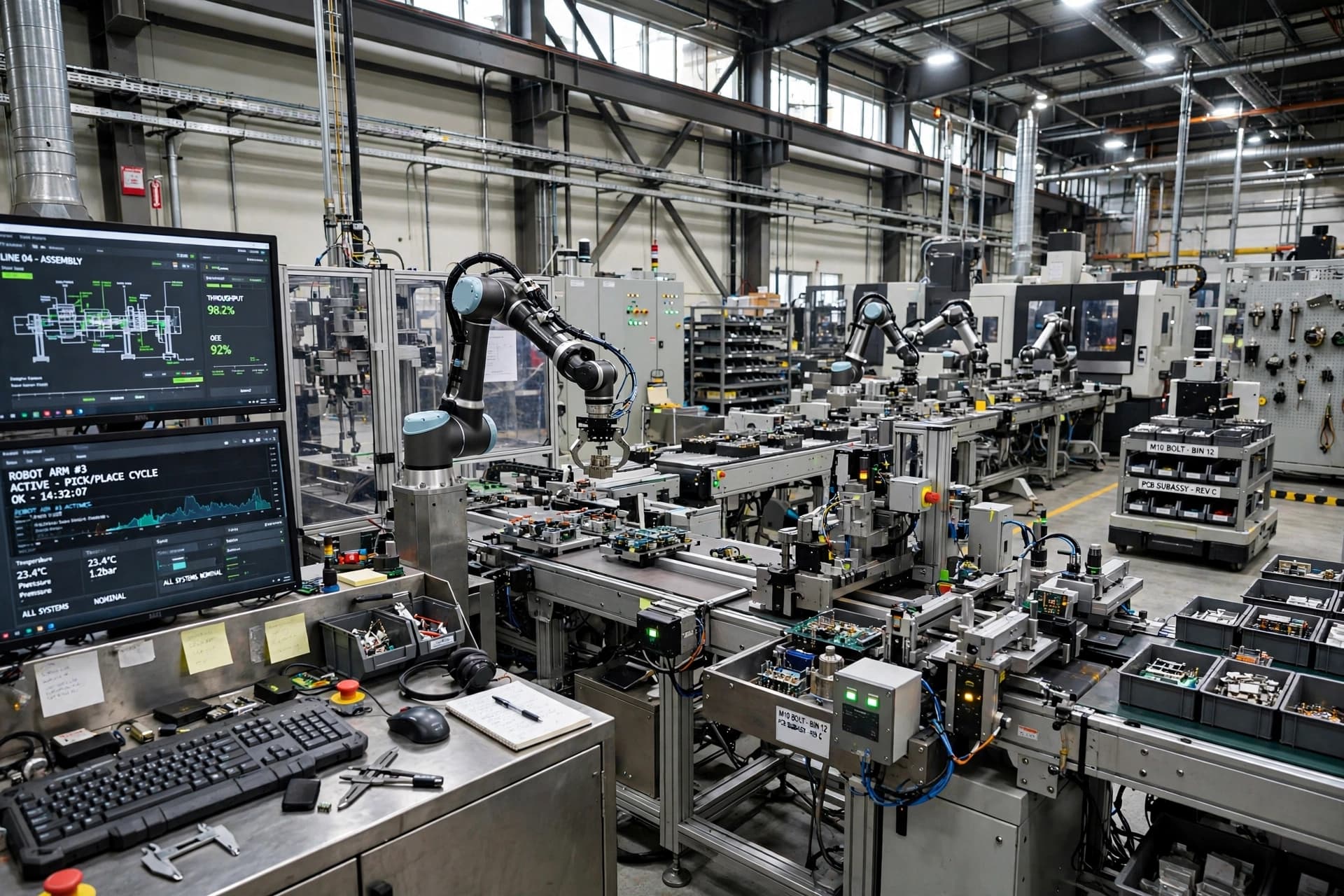
Visuals are AI-generated and serve as conceptual representations.
Sources (Media Names Only)
Reuters The Guardian Business Insider Cybernews PBS NewsHour
Published by Banx Network. This article is part of the Banx decentralized media programme, powered by the BXE token on the XRP Ledger.

.jpg&w=3840&q=75 "India Says First Phase of U.S. Trade Deal Is Nearly Done, Seeks Edge Over Rivals")