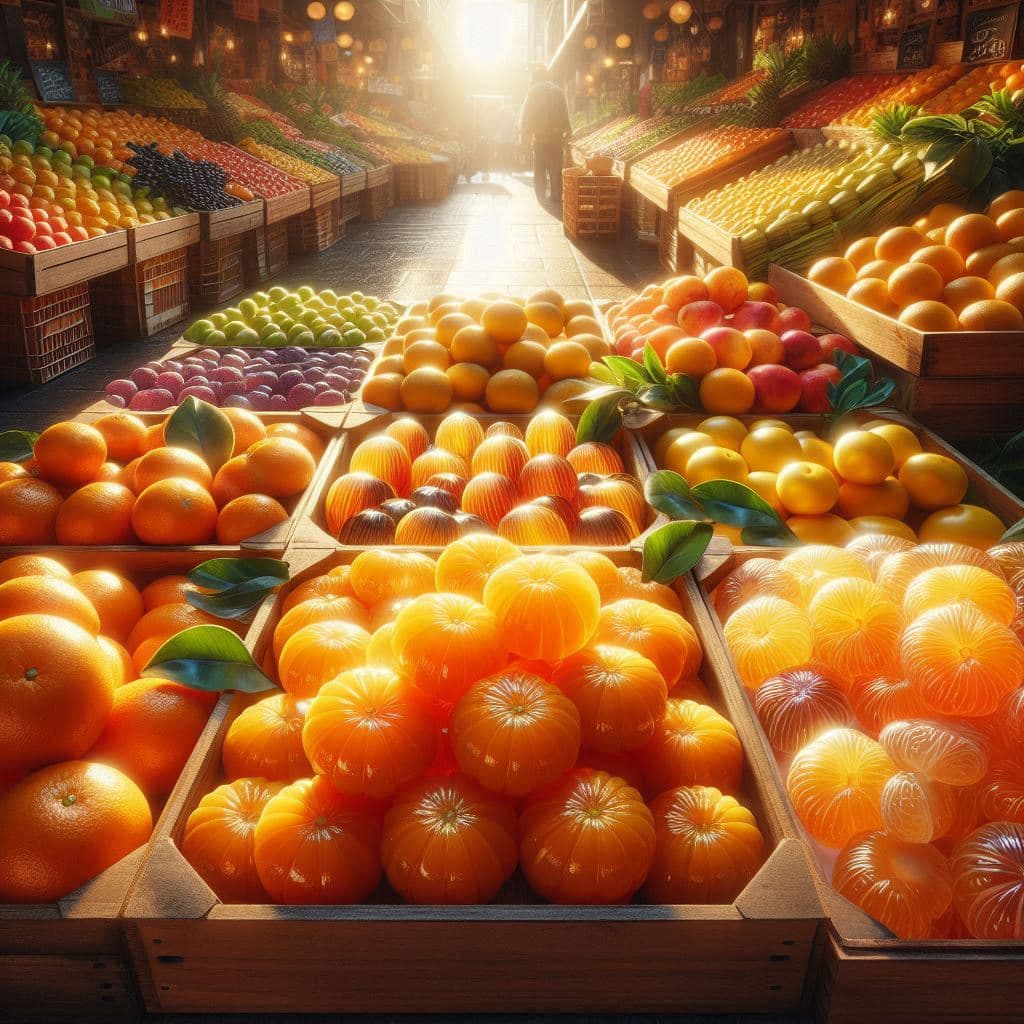
There are intervals in the rhythm of consumption — subtle crescendos that start as whispers among shoppers and grow into wider echoes down market aisles. Like ripples on a quiet pond stirred by a breeze, generational shifts in taste are beginning to shape how oranges are savored, bought, and valued across regions and age groups. At fruit stalls in Ipoh and in citrus aisles around the world, a soft yet persistent current of changing preference is gently setting new patterns of demand for this quintessential fruit.
At a humble wholesale fruit shop in Jalan Toh Puan Chah, one vendor notes that while older customers still reach for the classic honey ponkan — prized for its sweetness and resonance with Chinese New Year customs — younger buyers have turned their attention to the newer jelly mandarin variety. Seedless, fibre-free, and noted for its juicier texture, the jelly mandarin seems to harmonize with the tastes and convenience desired by a new generation of consumers.
This local vignette mirrors broader global movements in fruit markets: consumer tastes are evolving in concert with changing values, lifestyles, and health awareness. Across developed and emerging markets alike, the humble orange is no longer judged solely by tradition or price but also by its nutritional promise, ready-to-eat convenience, and alignment with modern wellness trends. Reports tracking global citrus demand show an increasing preference for fresh, organic, and value-added citrus offerings, where nutrition and sustainability are becoming part of the appeal.
In Australia, for example, the orange market is projected to grow as health-focused consumers seek nutrient-rich, natural foods and beverages. This has encouraged growers to embrace sustainable practices and diversify products — from fresh fruit to cold-pressed juices — meeting a range of consumer preferences while also opening new export channels.
Similarly, industry assessments highlight how orange demand expands not just in traditional fresh formats but through value-added categories such as ready-to-drink juices, organic snacks, and citrus-infused beverages. These broader product portfolios reflect changing lifestyles, where convenience and perceived health benefits are increasingly paramount.
Generational preferences — where one cohort sees nostalgic comfort in a classic mandarin and another seeks novelty in seedless juiciness — remind us that consumer demand is rarely static. It is shaped by culture, health discourse, and evolving expectations that extend beyond the orchard. In markets from Malaysia to Europe, younger and older consumers together contribute to a multifaceted demand landscape, where tastes are honored, reinvented, and woven into collective food habits.
As demand patterns continue to unfold, growers, retailers, and marketers alike find themselves listening closely to these subtle cues. Whether through a preference for tradition or an appetite for innovation, oranges have become more than a seasonal staple — they are an edible lens into how generations think, choose, and connect with the foods they enjoy. Reflecting these currents helps both producers and consumers see what tomorrow’s dining table might favor.
In markets worldwide, from Asia to the Americas, consumption trends suggest that oranges — in fresh, organic, and processed forms — continue to occupy a meaningful place in diets, supported by rising health awareness and evolving consumer preferences. Demand growth is forecast across regions, driven by both generational tastes and broader nutritional considerations.
AI Image Disclaimer (Rotated Wording) “Images in this article are AI-generated illustrations, meant for concept only.”
Sources Based on Sources Role The Star ResearchAndMarkets.com Ken Research International Citrus Industry Magazine ResearchAndMarkets.com (orange import trends)
Published by Banx Network. This article is part of the Banx decentralized media programme, powered by the BXE token on the XRP Ledger.