There’s a hush over the waterfront — not the calm of sunset, but the quiet before a storm of change. Where today people triage their errands in a familiar grocery store, tomorrow they may walk among high‑rise towers and echoing hallways, shaped not only by walls of concrete and glass but by the ambitions of a city under pressure to grow. In the Marina District of San Francisco, a plan is being drawn that could reshape lives, skylines, and long‑held neighborhood identity.
A firm named Align Real Estate has unveiled bold designs to replace the existing grocery store at the waterfront site with a striking 25‑story complex — twin towers joined by a U‑shaped base. The proposal includes 790 new housing units, of which 86 are slated as affordable. A new, significantly larger Safeway would anchor the base, replacing the current store and aiming to serve both longtime residents and newcomers.
The architecture — by Arquitectonica — is meant to blend density with sensitivity. The design clusters more substantial floorplates at the base, gradually tapering as the structure rises, in a deliberate effort to preserve at least some of the waterfront and bay views cherished by neighbors.
For many, this proposal brings hope. In a city long gripped by a housing shortage and affordability crisis, adding hundreds of units — especially affordable ones — is a rare opportunity. As one of the few developments in the Marina in decades, it could open the door for more inclusive housing and provide room for a more diverse population to stay or move into the area.
But for others, the change feels like an upheaval. Critics, including local elected officials like the mayor and a city supervisor, warn that the timing of the proposal — right before new zoning restrictions under the city’s forthcoming “Family Zoning” plan take effect — might be seen as an attempt to circumvent stricter rules. They fear a surge in density could strain infrastructure, obscure cherished views, and alter the quiet character of a neighborhood that has resisted large developments for years.
There is also the question of continuity. While Safeway pledges to return in a larger format, the existing store will close during construction — potentially disrupting routines for residents accustomed to having convenient access to groceries and daily necessities near the waterfront.
Yet in a city wrestling with housing demands, affordability gaps, and shifting population patterns, visionaries argue that the Marina — long a bastion of stability — may need to embrace change. This project, proponents suggest, could bring new life and diversity to a neighborhood once resistant to growth.
In factual terms: the proposed 25‑story waterfront complex by Align Real Estate would add 790 units (with 86 affordable), rebuild a new Safeway larger than the current store, and significantly alter the Marina’s density and skyline. The plan has both support — for addressing housing shortages — and opposition — for its timing, density, and impact on neighborhood character.
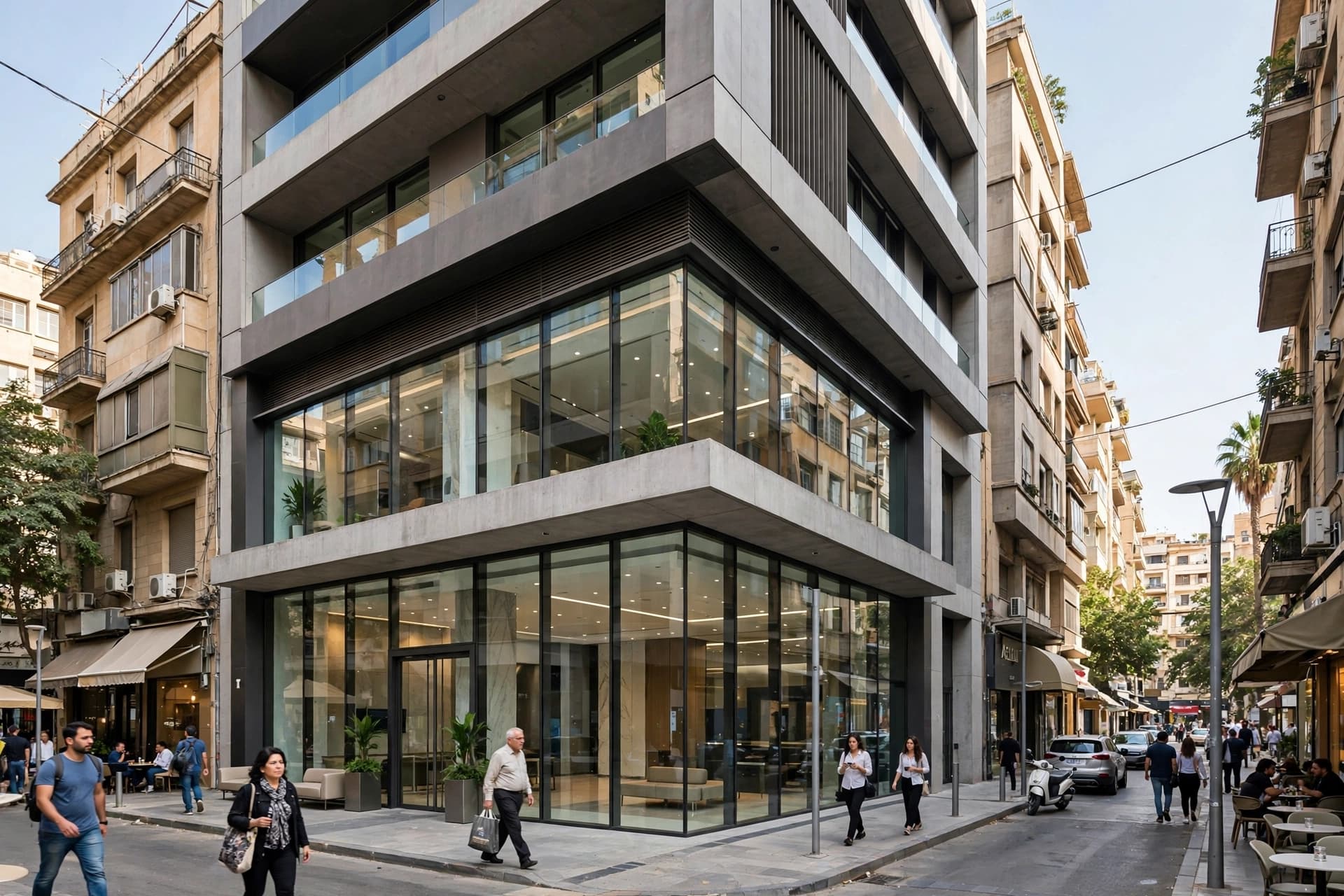
Alternate image disclaimer: “Images in this article are AI-generated illustrations, meant for concept only.”
Sources (media names) San Francisco Chronicle; SFist; ABC7 Bay Area
Published by Banx Network. This article is part of the Banx decentralized media programme, powered by the BXE token on the XRP Ledger.