
Key Highlights
- Geopolitical tensions surrounding Greenland are impacting global markets.
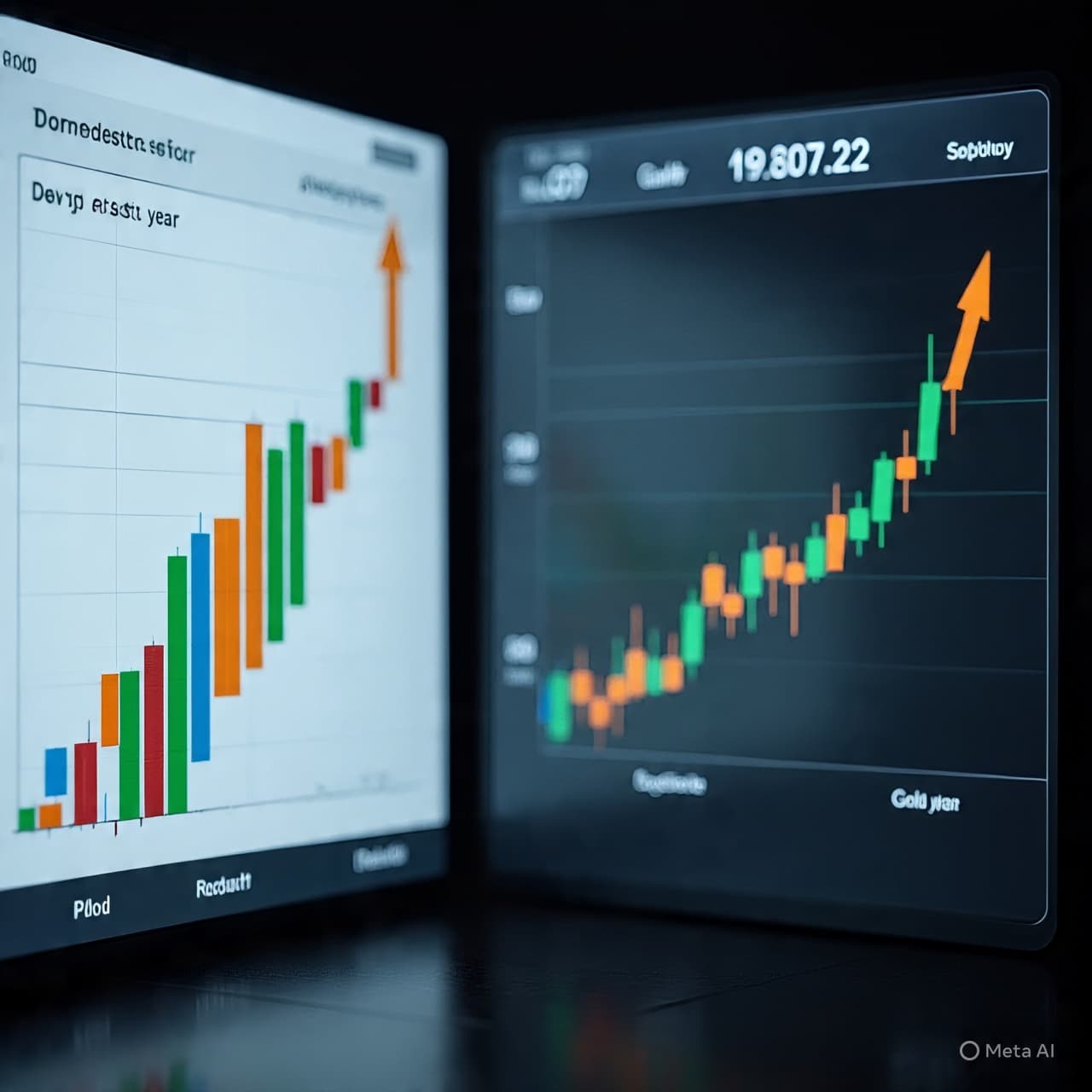
- Gold prices surged over 4% last week amid investor uncertainty.
- European defense stocks are experiencing significant gains as investors seek safety.
The global trading landscape is increasingly influenced by geopolitical events, with recent remarks by U.S. President Donald Trump regarding Greenland serving as a catalyst for market fluctuations. As trading floors in major financial hubs like London and New York buzz with activity, the implications of such comments extend far beyond the Arctic island, affecting investor sentiment and asset prices worldwide.
Trump's controversial suggestion of acquiring Greenland, whether through purchase or other means, has reignited discussions about U.S. foreign policy and its implications for global security. Greenland, an autonomous territory of Denmark, has become a focal point for investors concerned about geopolitical risk. The reaction from markets has been swift, with many viewing the situation as a reflection of broader uncertainties in international relations and the stability of Western alliances.
In the wake of these developments, traditional safe-haven assets have seen a notable uptick. Gold, historically regarded as a refuge during times of crisis, experienced a significant price increase of over 4% last week, reaching new record highs. This surge is indicative of a growing anxiety among investors, not only about the specific situation in Greenland but also about the overall geopolitical climate, which includes rising tensions in various regions and concerns over the reliability of established security frameworks.
European defense stocks have also benefited from this climate of uncertainty. Companies such as Rheinmetall and Saab have reported substantial gains as investors recalibrate their portfolios in response to shifting defense priorities. The perception that military and defense capabilities may become increasingly vital in a world marked by unpredictability has led to a renewed interest in these sectors.
What is particularly striking about these market movements is the role of perception in shaping investor behavior. While many equity markets remain near record levels, the fear premium associated with geopolitical risks has increased. Investors are grappling with the challenge of quantifying risks that are often low-probability yet high-impact. As one portfolio manager noted, "Political and geopolitical risk is very hard to price," highlighting the complexities involved in assessing the potential fallout from such events.
The dialogue surrounding Greenland is just one aspect of a larger tapestry of global tensions. Recent U.S. military actions, including operations in Venezuela, alongside uncertainties regarding the Federal Reserve's independence, have further contributed to a climate where safe-haven assets are increasingly attractive. For many investors, gold represents more than just a commodity; it embodies a narrative of stability amidst chaos, serving as a hedge against currency fluctuations and geopolitical strife.
Ultimately, markets function not only as mechanisms for pricing risk but also as reflections of global sentiment. The fact that discussions about an Arctic territory can prompt investors to seek refuge in gold and defense equities underscores the interconnectedness of financial systems and geopolitical realities. As the world navigates this delicate balance between stability and potential conflict, the search for safety extends beyond traditional assets, revealing deeper insights into the evolving landscape of global finance.
Published by Banx Network. This article is part of the Banx decentralized media programme, powered by the BXE token on the XRP Ledger.



