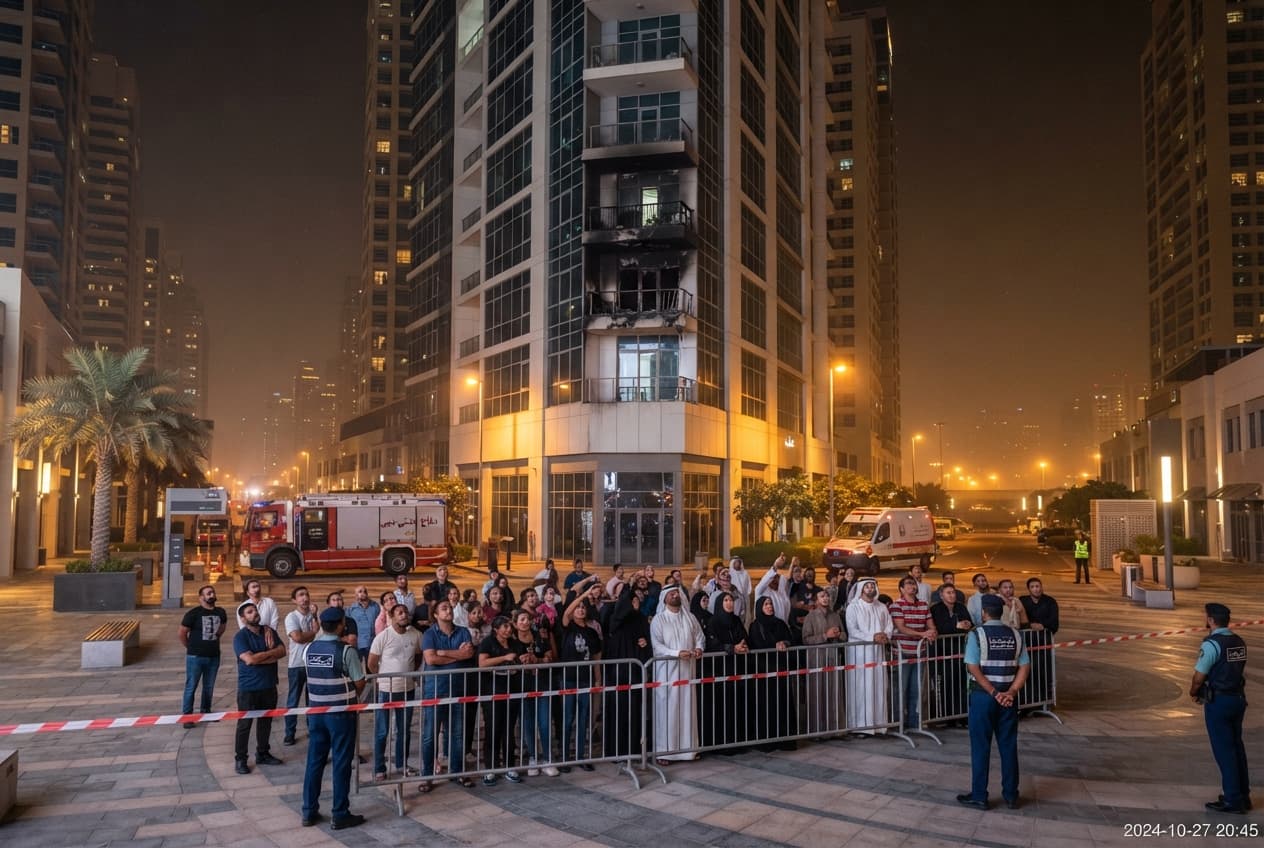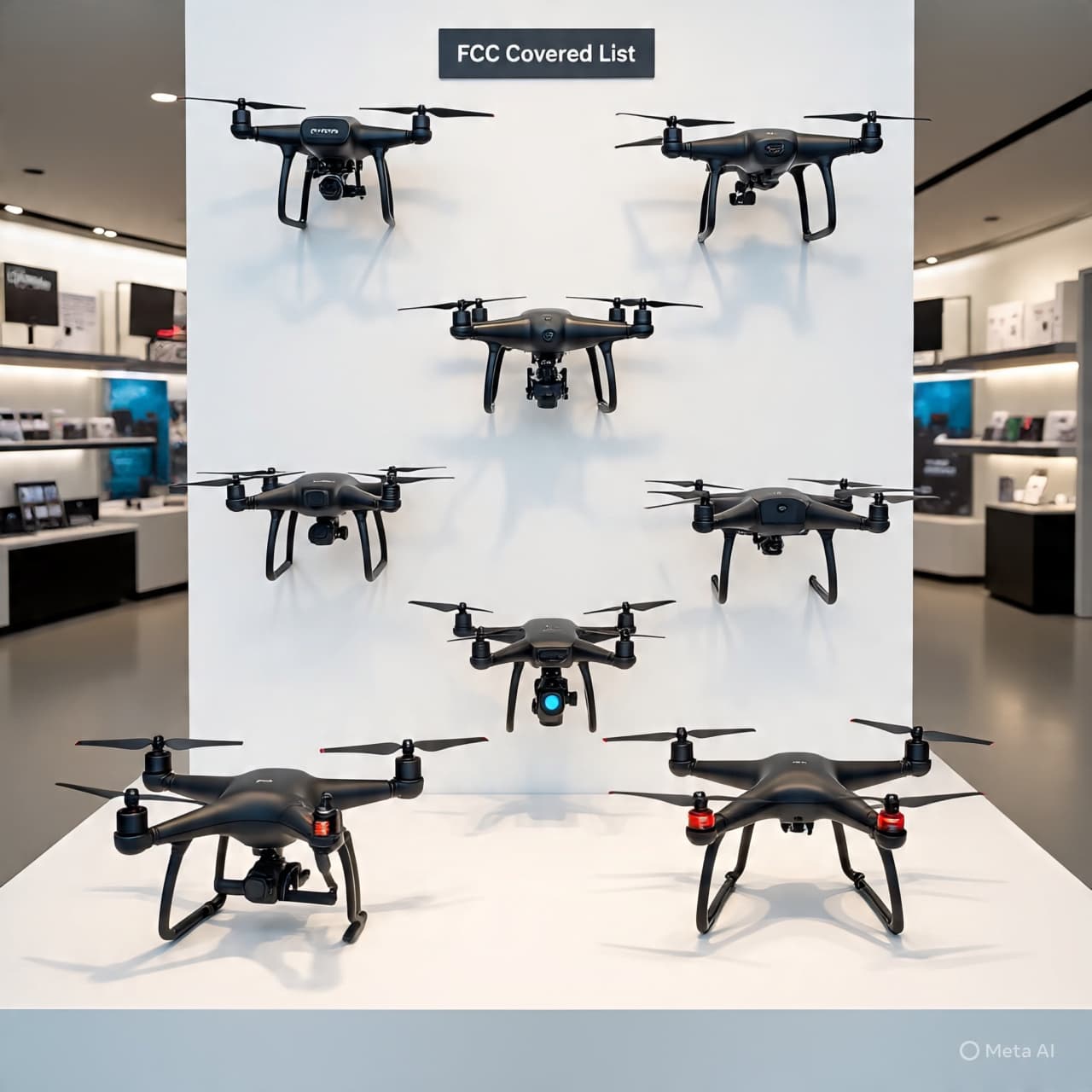
In a watershed moment for America’s skies and its tech policy, the Federal Communications Commission (FCC) has moved to sharply restrict the future sale of foreign‑made drones and key components in the United States, citing national security concerns and supply‑chain vulnerabilities. The decision — rooted in a broader shift toward reducing reliance on overseas technology — effectively closes the door on new models of drones produced abroad from being approved and sold in the U.S., beginning late December 2025.
Under the updated regulation, all foreign‑manufactured unmanned aircraft systems (UAS) and critical parts must obtain an FCC equipment authorization before they can be imported, marketed, or sold in the U.S. — and those authorizations will no longer be issued for new foreign models now placed on the agency’s “Covered List.” This includes drones from major international manufacturers such as China’s DJI and Autel Robotics, which have previously dominated much of the consumer and commercial drone market.
FCC officials say the action responds to a national security determination by an interagency group, warning that reliance on foreign drone tech could expose sensitive data, threaten critical infrastructure, or create vectors for espionage or disruption. The timing also aligns with upcoming global and domestic events — like the 2026 FIFA World Cup and the 2028 Los Angeles Olympics — that place a premium on secure, resilient airspace.
For millions of recreational pilots, commercial operators, farmers, and public safety agencies, the move marks a shift in how America thinks about its drone ecosystem. While existing drones and previously authorized models will still be legal to use, new drone models and future innovations from foreign manufacturers can no longer enter the U.S. market without special exemptions approved by agencies such as the Department of Defense or the Department of Homeland Security.
Supporters of the ban argue that bolstering domestic drone manufacturing will strengthen national sovereignty and reduce potential risks tied to external supply chains. American companies — many already working in unmanned aerial systems — could benefit from reduced competition overseas. Critics, however, caution that the move could limit consumer choice, increase costs, and slow innovation, especially given how prevalent foreign‑made drones have been in areas ranging from filmmaking to agricultural monitoring and emergency response.
As the industry adapts, existing drone technology will remain in the hands of those who already own it, and retailers can continue to sell devices that received prior FCC approval. But the regulatory landscape has undeniably shifted — this is not simply a policy tweak, but a deliberate recalibration of how the U.S. balances technology, security, and sovereignty in its skies.
AI Image Disclaimer “Visuals are created with AI tools and are not real photographs.” Sources Reuters AP News Northern Ag Network Scientific American Jalopnik
Published by Banx Network. This article is part of the Banx decentralized media programme, powered by the BXE token on the XRP Ledger.