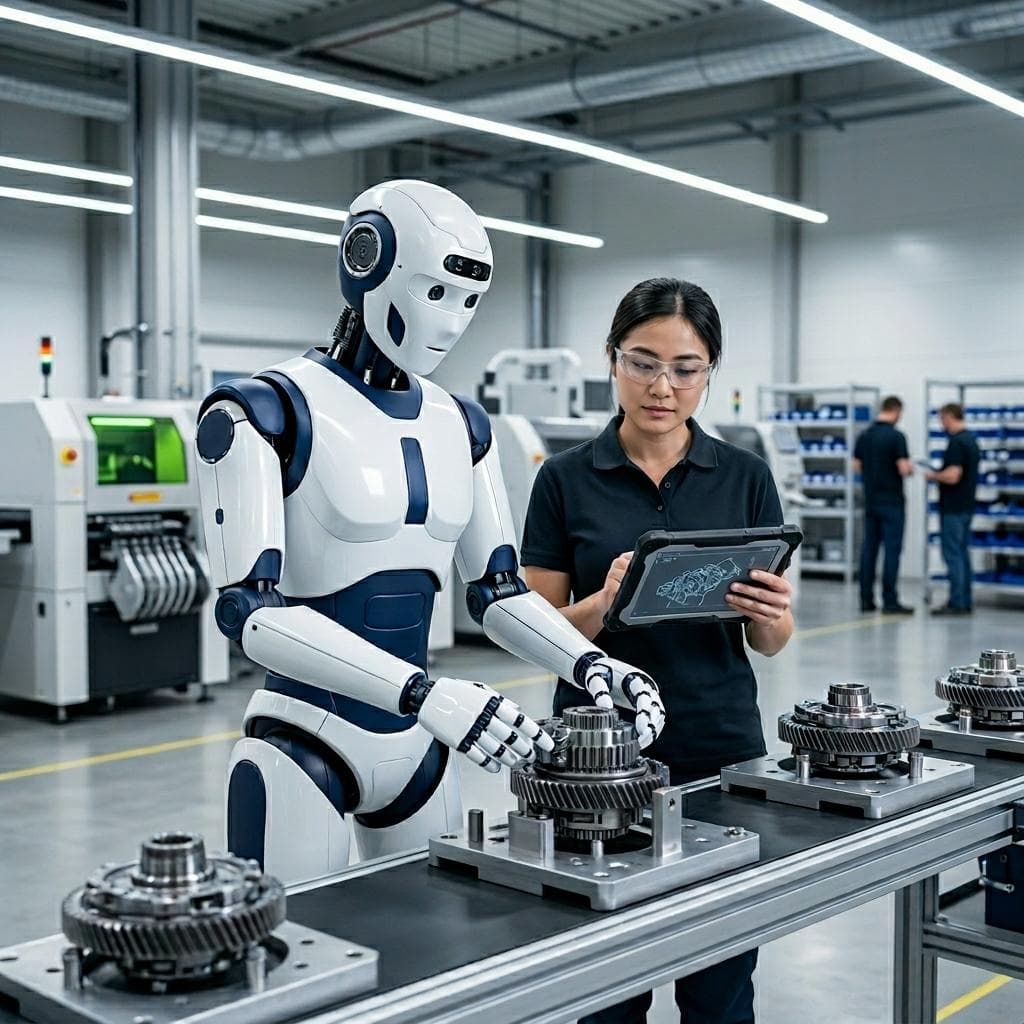
We stand on the precipice of a new technological dawn, where the boundaries between the physical, digital, and biological worlds are increasingly blurred. Recent reports from leading global institutes suggest that the next few years will witness a convergence of innovations that promise to reshape the fundamental pillars of society: energy, health, and resource management. This is not merely a forecast of incremental improvements but a vision of transformative change, driven by the maturation of artificial intelligence, biotechnology, and sustainable energy solutions.
Body: In the energy sector, the promise of fusion power is moving closer to reality. Recent breakthroughs in net-energy gain experiments have sparked renewed investment and optimism. While commercial fusion plants may still be a decade away, the progress made in magnetic confinement and laser ignition technologies is accelerating the timeline. Coupled with advancements in battery storage and smart grid management, these developments offer a pathway to a carbon-free future that is both reliable and scalable.
Healthcare is undergoing a similar revolution, powered by the integration of AI and genomics. Personalized medicine, once a distant dream, is becoming a standard practice as algorithms analyze vast datasets to predict disease risk and tailor treatments to individual genetic profiles. Wearable devices and remote monitoring tools are empowering patients to take charge of their health, shifting the focus from reactive treatment to proactive prevention. This shift not only improves outcomes but also reduces the burden on healthcare systems worldwide.
Resource management is also being transformed by technology. Precision agriculture, using drones and satellite imagery, is optimizing water and fertilizer use, reducing waste and environmental impact. In urban areas, smart city technologies are improving efficiency in waste disposal, traffic management, and energy consumption. These innovations are crucial for sustaining a growing global population within the planet’s ecological limits.
The driving force behind these changes is the rapid advancement of artificial intelligence. AI is no longer just a tool for automation but a partner in discovery, helping scientists model complex systems, identify patterns, and accelerate innovation. From discovering new materials for batteries to designing novel drugs, AI is amplifying human capability and speeding up the pace of scientific progress.
However, these technological leaps also bring challenges. Issues of data privacy, equity in access, and the ethical implications of AI must be addressed proactively. The reports emphasize the need for robust regulatory frameworks and international cooperation to ensure that the benefits of these technologies are shared broadly and responsibly. It is a call for thoughtful governance alongside technological innovation.
As we look to the future, it is clear that technology will play a central role in solving some of humanity’s most pressing challenges. The convergence of energy, health, and resource technologies offers a glimpse of a world that is cleaner, healthier, and more sustainable. It is a future that requires not just technical expertise but also wisdom and collaboration.
Closing: The upcoming wave of technological innovation holds the promise of transforming our world for the better. By embracing these changes with caution and care, we can build a future that is not only technologically advanced but also socially equitable and environmentally sustainable.
AI Image Disclaimer: The images in this article are AI-generated conceptualizations of future technologies and should be viewed as illustrative interpretations rather than literal predictions.
Sources: World Economic Forum, MIT Technology Review, Reuters, Nature Energy, McKinsey & Company
Published by Banx Network. This article is part of the Banx decentralized media programme, powered by the BXE token on the XRP Ledger.