
Key Highlights
- Election Date:Thailand's snap election is set for February 8, 2026.
- Political Context:Prime Minister Anutin Charnvirakul dissolved parliament amid rising tensions.
- Border Conflict:Ongoing clashes with Cambodia complicate the electoral landscape.
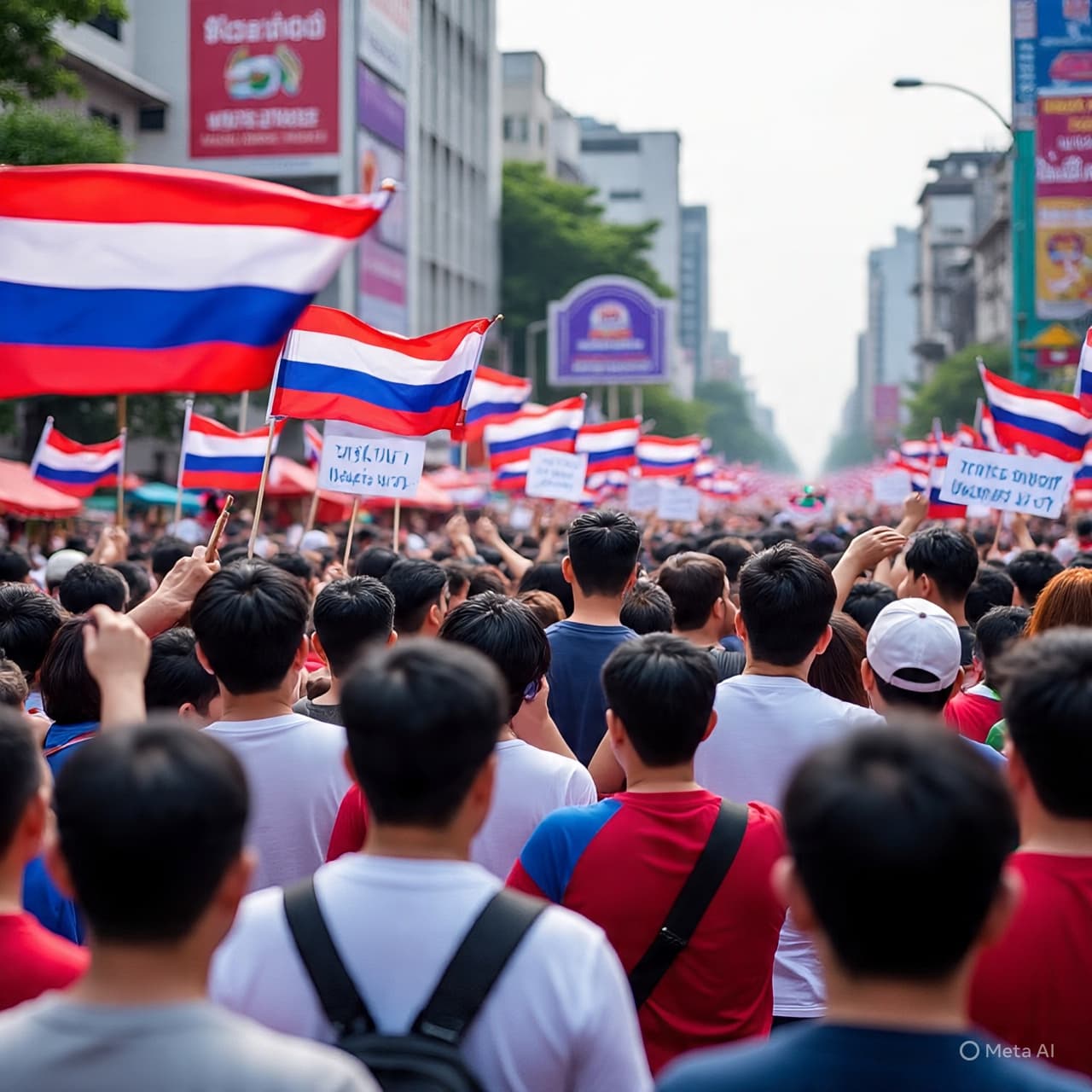
In a dramatic turn of events that underscores both urgency and uncertainty in Thailand’s political landscape, the government has called a snap election — to be held on February 8, 2026 — even as intense clashes continue along the Cambodia-Thailand border. The announcement comes after Prime Minister Anutin Charnvirakul secured royal approval to dissolve parliament, setting the stage for national polls under conditions of domestic unease and foreign conflict.
The move to call an early election — months ahead of schedule — reflects a complex interplay of political calculation and national crises. Anutin, leader of the Bhumjaithai Party, has governed with only a slim base of parliamentary support, having assumed the premiership in September through a coalition agreement that included promises to pursue constitutional reform. However, when those reforms stalled and the biggest opposition bloc, the People’s Party, threatened a no-confidence vote, Anutin opted to dissolve parliament and seek a renewed democratic mandate.
Crucially, this election call comes in the midst of an active border war with Cambodia, a dispute that erupted again in early December after a fragile ceasefire collapsed — a conflict that has displaced hundreds of thousands and resulted in casualties on both sides. The fighting has shaped public perception, boosting nationalist sentiment and reinforcing the Thai military’s image as defenders of sovereignty. Analysts suggest that this dynamic could benefit pro-military and conservative parties, including Anutin’s, as voters weigh security and stability against broader political reforms.
At the same time, critics argue the timing blurs the line between genuine democratic choice and political strategy. By anchoring the election campaign around an ongoing border conflict, Anutin appears to be leveraging national security concerns to deflect attention from domestic policy failures and internal political wrangles, including corruption allegations and stalled reforms. Such tactics — sometimes described in political analysis as rallying around the flag — can shift focus toward unity and away from criticism of leadership.
The electoral contest is expected to pit the conservative, pro-military Bhumjaithai Party against the more progressive and reform-oriented People’s Party, which previously garnered significant popular support in the 2023 election but was blocked from forming a government. Voters will also consider how each camp proposes to navigate economic challenges, constitutional debates, and the ongoing conflict with Cambodia.
International observers have raised concerns about holding a nationwide election amid active fighting and displacement. Thailand’s constitution requires elections within 45–60 days of parliamentary dissolution, but ensuring access to polling stations for displaced residents and maintaining security at voting sites could complicate the process. Electoral authorities are already contemplating logistical adjustments to facilitate voting in affected provinces.
The decision to go to the polls now — rather than after tensions ease — highlights the fragility and fluidity of Thai politics, where governments are often vulnerable to rapid shifts in power, coalition breakdowns, and judicial interventions. As more than a half-million people flee their homes near the border and headlines focus on skirmishes and ceasefire breakdowns, the forthcoming election may prove a turning point in shaping Thailand’s political direction in an age of both domestic divisions and regional insecurity.
Published by Banx Network. This article is part of the Banx decentralized media programme, powered by the BXE token on the XRP Ledger.



