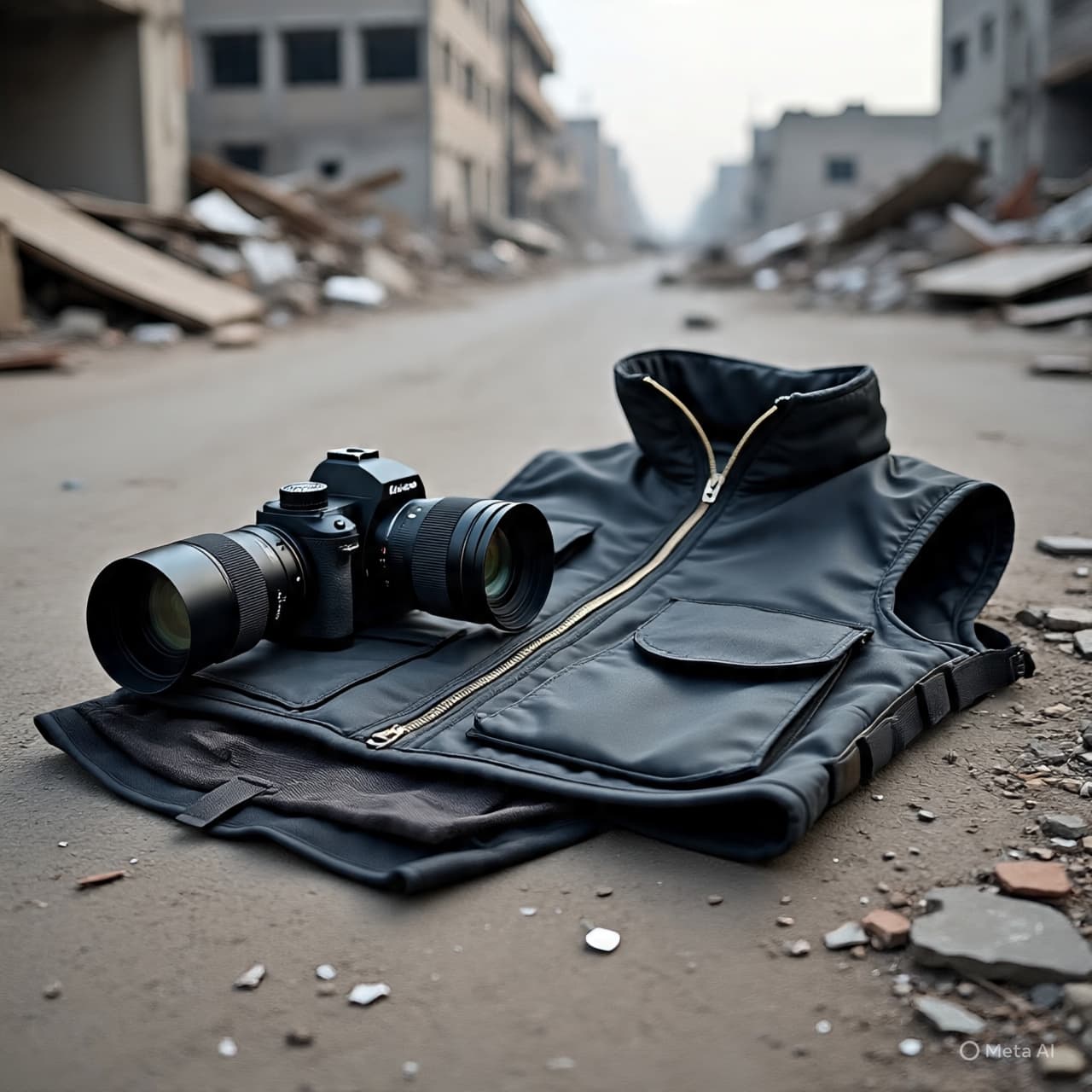
There are years that pass like weather, and there are years that leave a mark on the craft of telling. In 2025, the profession of journalism moved through a landscape where the air itself seemed heavy with risk. Cameras were lifted in streets shadowed by smoke. Microphones were extended into uncertainty. And in too many places, the simple act of witnessing carried the highest cost.
The Committee to Protect Journalists (CPJ) reports that 129 journalists were killed worldwide in 2025, the highest annual total the organization has recorded. According to its findings, nearly two-thirds of those deaths occurred in connection with the war involving Israel and operations in and around the Gaza Strip.
CPJ’s data describe a year in which conflict zones proved especially perilous for reporters, photographers, and camera operators. Many of those killed were local journalists covering events in their own communities—individuals who understood the streets, the dialects, and the rhythms of the places they documented. Their work often unfolded close to home, near family, amid the same dangers faced by neighbors.
The organization states that the scale of fatalities in 2025 reflects the intensity of ongoing hostilities and the difficulty of ensuring protection for media workers in active war zones. CPJ has called for thorough and transparent investigations into each killing and has urged all parties in armed conflict to uphold international law regarding the protection of civilians, including journalists.
Israeli officials have previously said that their military operations target militant groups and not journalists, while acknowledging the complexity of combat in densely populated areas. The Israeli military has stated in past responses that it reviews incidents in which journalists are reported killed. At the same time, press freedom advocates argue that the cumulative toll underscores the urgent need for greater safeguards and accountability.
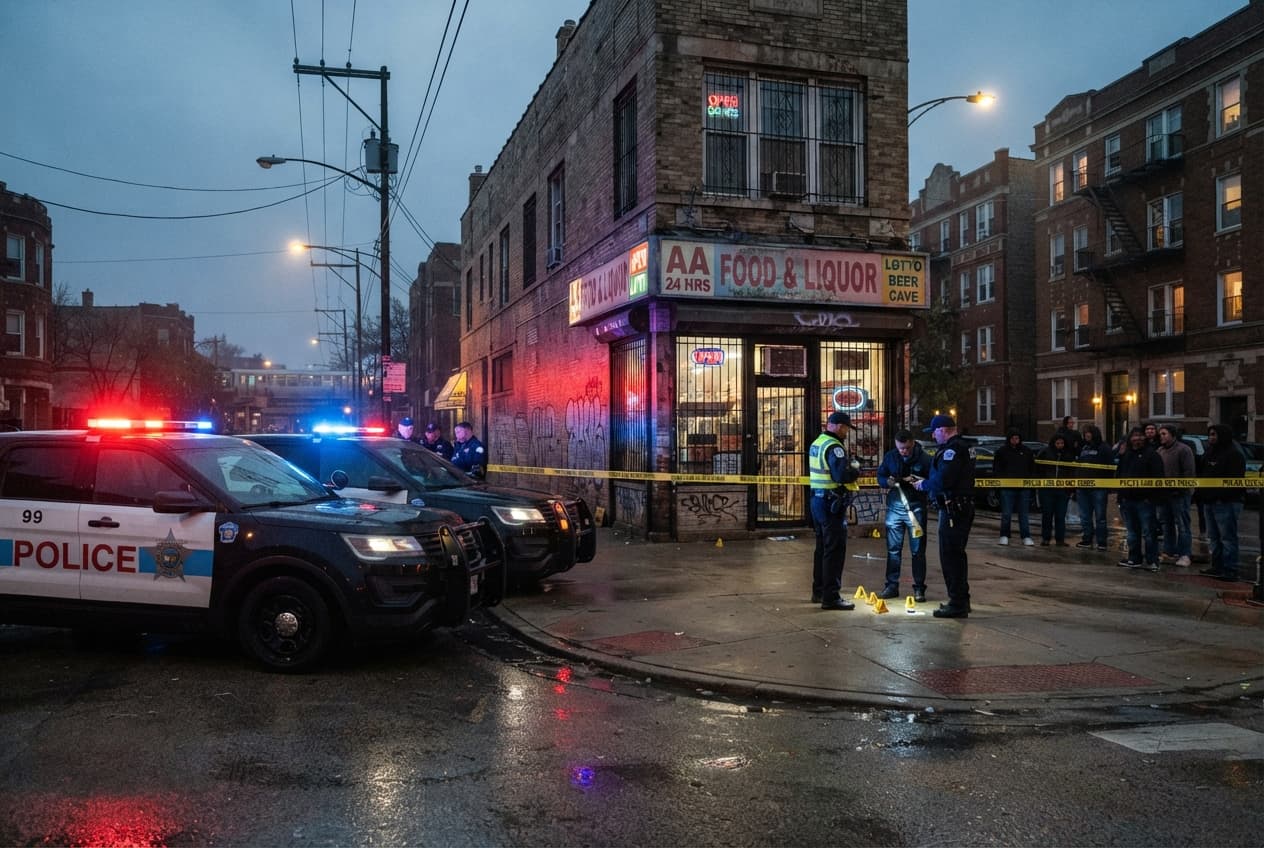
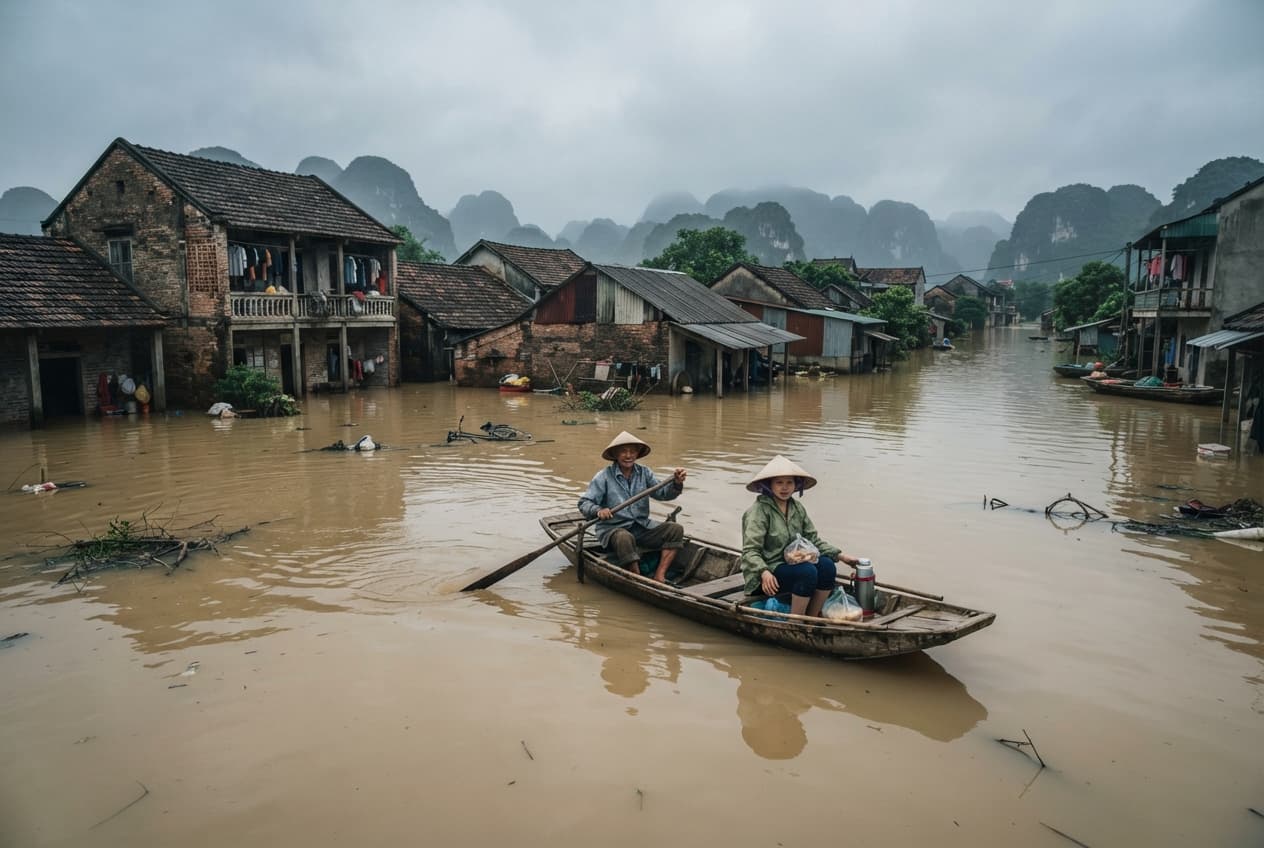
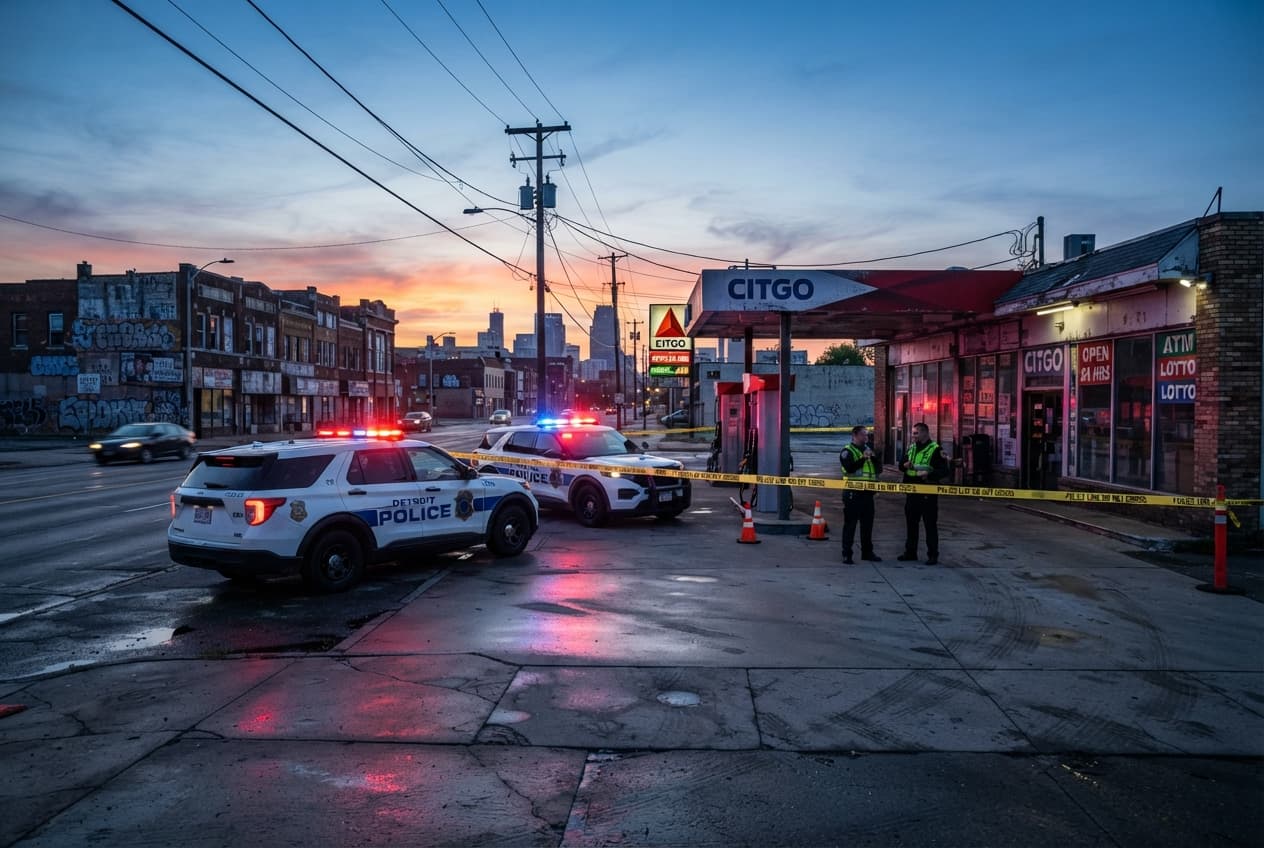
Beyond the Middle East, CPJ’s report notes that journalists were also killed in other regions marked by political unrest, organized crime, and armed confrontation. The risks vary by country, but the pattern is familiar: those who document violence and corruption often stand nearest to its source. In some cases, reporters were caught in crossfire. In others, they were allegedly targeted.
The number 129 carries weight not only as a statistic but as an accumulation of interrupted work—unfinished interviews, unpublished footage, stories that will not be told by the hands that began them. Newsrooms across continents have marked the losses quietly, sometimes with photographs pinned to walls or names read aloud in subdued gatherings.
In clear terms: The Committee to Protect Journalists reports that 129 journalists were killed worldwide in 2025, the highest annual figure it has documented. The organization says roughly two-thirds of those deaths were linked to the conflict involving Israel and Gaza. CPJ has called for investigations and stronger protections for media workers in conflict zones.
AI Image Disclaimer These images are AI-generated and intended as conceptual illustrations, not documentary photographs.
Sources (Media Names Only) Committee to Protect Journalists Reuters Associated Press BBC News Al Jazeera
Published by Banx Network. This article is part of the Banx decentralized media programme, powered by the BXE token on the XRP Ledger.