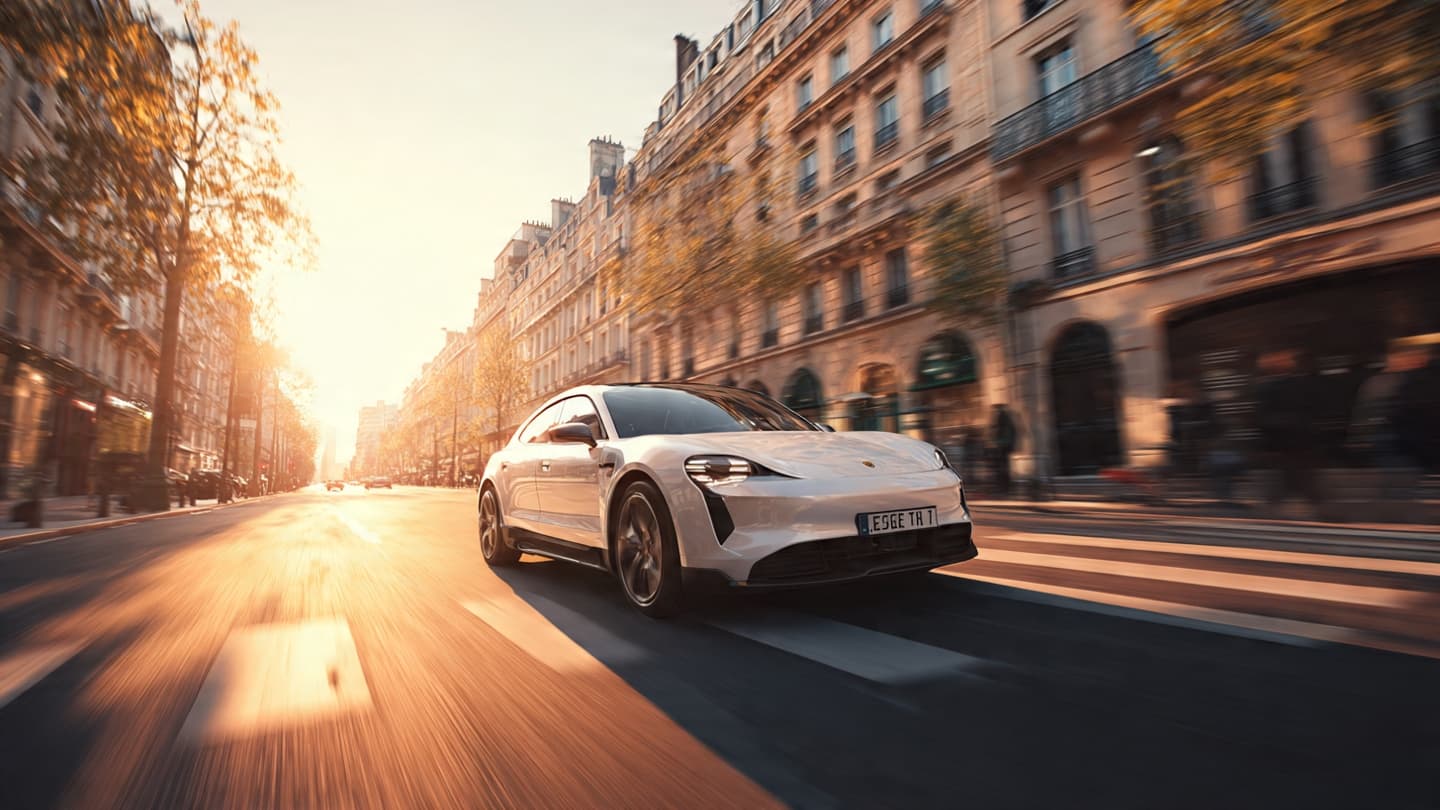
On a French road, familiar surroundings can become a laboratory when technology is asked to navigate them without the usual rhythm of human control. Traffic signs, intersections, road markings and changing conditions all become part of the test. This autumn, Tesla’s driving technology has entered that environment as France begins testing the company’s Full Self-Driving system.
French authorities have started on-road testing of two Tesla vehicles equipped with Full Self-Driving technology. The tests are intended to assess how the system performs under French driving conditions and to gather information about its behavior on local roads.
The testing represents an important stage for advanced driver-assistance technology because systems designed for one environment can encounter different challenges when introduced elsewhere. Road layouts, signage, traffic behavior and regulatory requirements can vary considerably between countries.
Tesla’s Full Self-Driving system uses cameras, computing systems and software designed to assist with driving tasks. The technology has generated considerable interest because of its ambition to perform a wider range of driving functions than conventional driver-assistance systems.
Testing in France provides an opportunity to observe the technology outside the environments in which it has previously been developed and evaluated. French roads offer a mixture of urban streets, highways, roundabouts, intersections and rural routes.
For engineers, each journey can produce another set of observations. A system must interpret its surroundings continuously, respond to other road users and make decisions while moving through changing conditions.
The French testing program also comes at a time when European regulators are examining how advanced driving systems can operate within existing safety frameworks. Local testing can help provide evidence about how such systems interact with the particular characteristics of European roads.
The distinction between driver assistance and fully autonomous driving remains important. Systems currently available to consumers generally require drivers to remain attentive and ready to intervene, even when software performs substantial portions of the driving task.
That makes testing not simply a demonstration of what software can do, but an examination of how humans and automated systems share responsibility inside a moving vehicle.
France’s roads therefore become part of a much larger technological experiment. As vehicles gain increasingly sophisticated software, the boundary between traditional driving and automated assistance continues to evolve one test route at a time.
For Tesla, the French road tests provide another opportunity to collect local data and evaluate performance. For the broader European automotive sector, they offer another glimpse of how advanced driving technology may gradually find its place on the continent’s roads.
AI Image Disclaimer The visual accompanying this article was generated with AI for illustrative purposes and does not represent an actual Tesla test vehicle or official testing session.
Sources Reuters
Published by Banx Network. This article is part of the Banx decentralized media programme, powered by the BXE token on the XRP Ledger.