In the damp hush of California’s woodlands, the forest floor seems generous — offering up mushrooms in clusters beneath hardwood trees, after the rains. But that quiet generosity can hide danger. A recent fatal poisoning has turned what once felt like a simple harvest into a warning: among the mushrooms smiling innocuously from the leaf-litter may lurk a silent killer.
Health authorities in the state — led by California Department of Public Health (CDPH) — have issued an urgent advisory after an outbreak of poisonings linked to wild, foraged mushrooms.
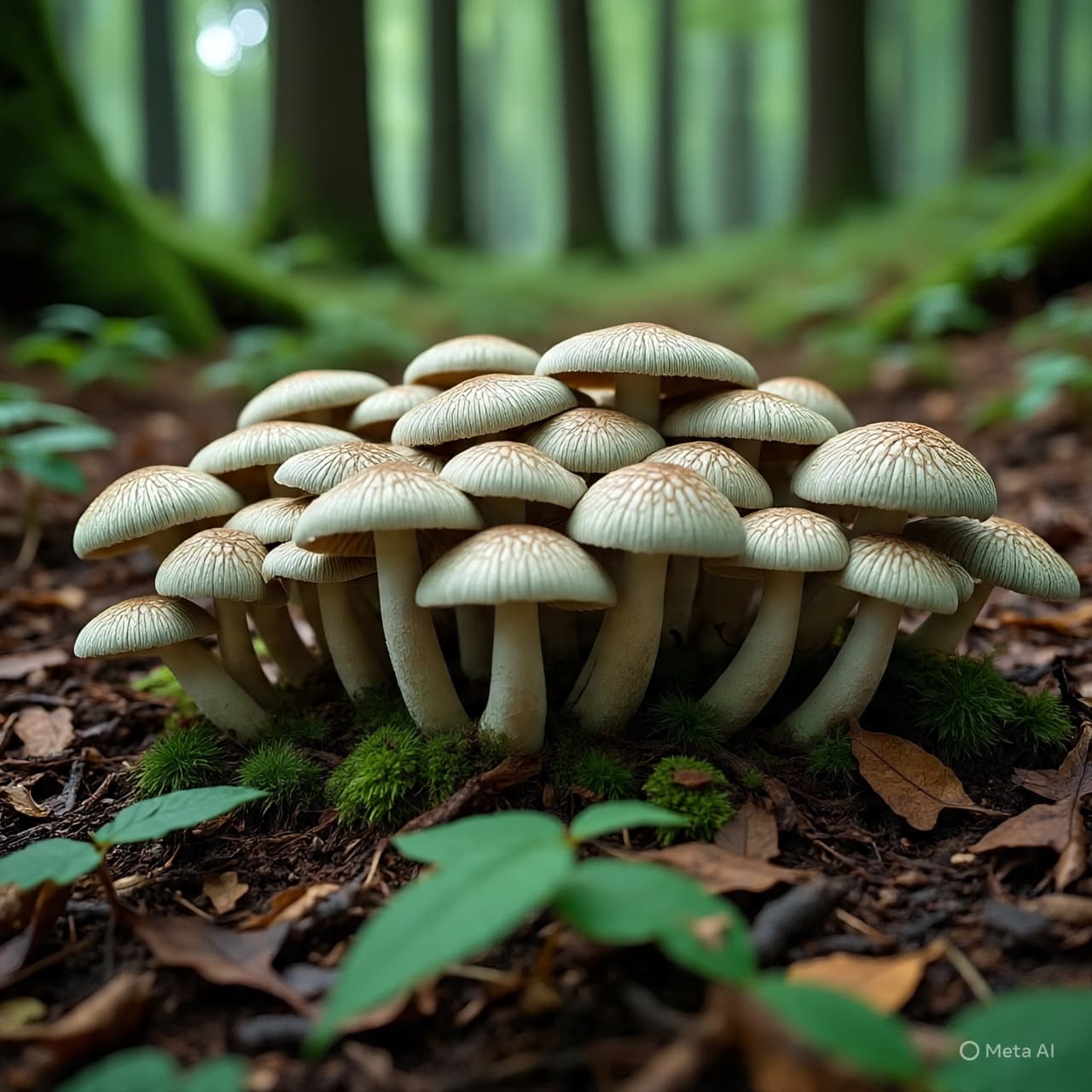
According to the alert, between mid-November and early December 2025, the California Poison Control System documented 21 cases of amatoxin poisoning, likely caused by the notorious Amanita phalloides — commonly known as the “death cap.” One adult has died; others, including children and adults, suffered severe liver damage, and at least one required intensive care.
What makes death caps particularly dangerous — and deceptive — is their resemblance to edible mushrooms. Even experienced foragers can mistake them for safe varieties. CDPH’s director, Erica Pan, warned that cooking, drying, or freezing does not neutralize their toxins.
Initial symptoms of poisoning — nausea, vomiting, diarrhea, abdominal pain — often appear within 6 to 24 hours after ingestion. Distressingly, these symptoms may fade, lulling victims into a false sense of recovery. But by then, amatoxins may already be attacking the liver, and severe or fatal damage can emerge 48 to 96 hours later.
Officials pointed out that this recent cluster was concentrated in the Monterey and San Francisco Bay Areas. But the risk extends statewide — especially during this wet season, when rainfall fosters mushroom growth across many regions.
Given the unpredictability and severity of amatoxin poisoning, the advice from public-health authorities is clear: avoid foraging and consuming wild mushrooms entirely this season. Instead, stick to mushrooms purchased from trusted commercial sources.
The recent tragedy in California — one life lost, many others hurt — stands as a stark reminder: nature’s bounty may hide peril in plain sight. As the state grapples with this outbreak, the message is not alarmist, but cautious and firm. In a season when mushrooms flourish, safety demands restraint. Until more is known, the safest harvest may be none at all — preserving health, and possibly, lives.
AI Image Disclaimer Images in this article are AI-generated illustrations, meant for concept only.
Sources California Department of Public Health / California Poison Control System bulletin Associated Press CBS News The Guardian ABC News
Published by Banx Network. This article is part of the Banx decentralized media programme, powered by the BXE token on the XRP Ledger.