
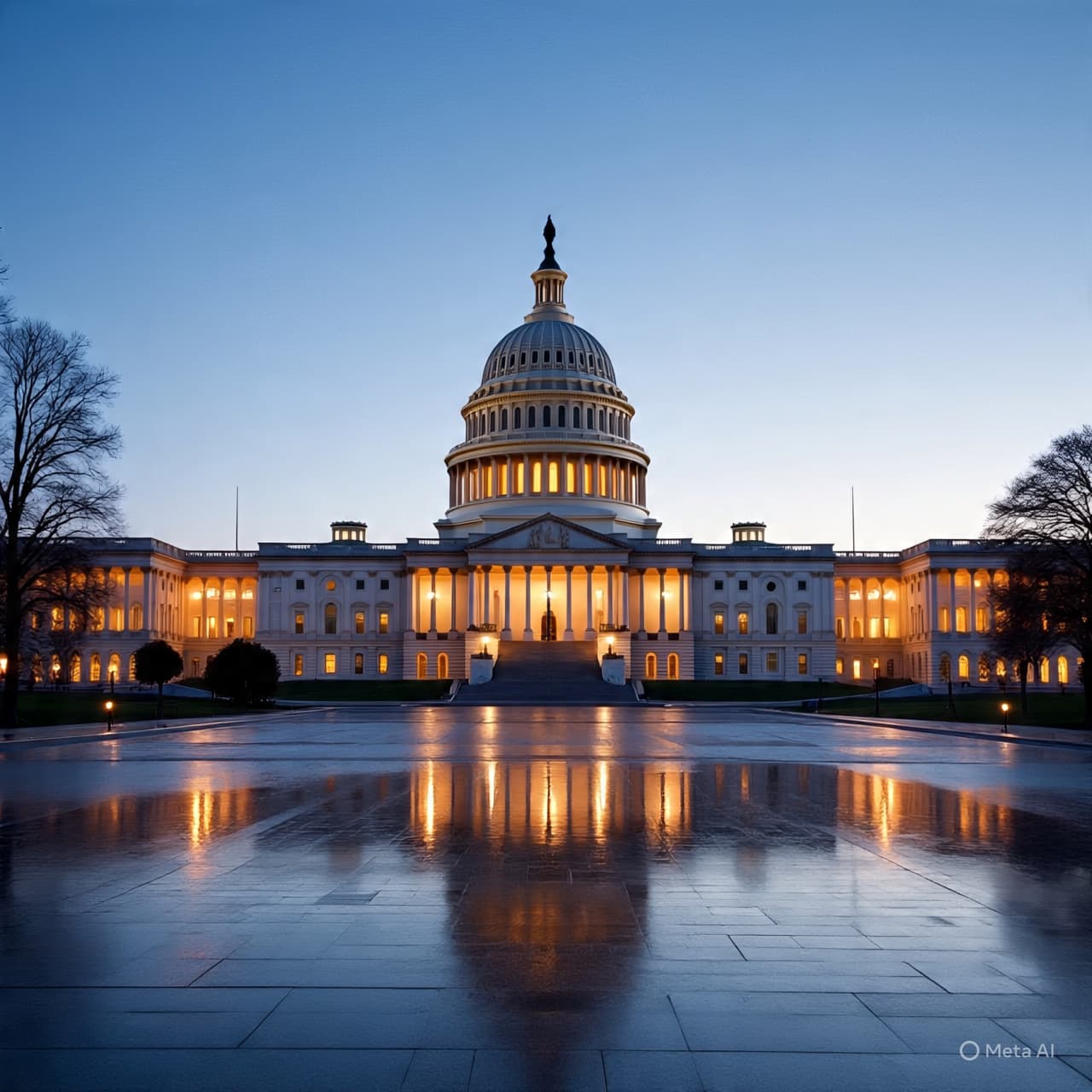
Key Highlights
- Congress is negotiating to prevent a government shutdown as funding deadlines approach.
- Former President Trump proposed a two-year closure of the Kennedy Center, stirring debate.
- The potential impacts of both government and cultural interruptions are significant for communities.
In Washington, evenings often arrive with unfinished sentences. Lights remain on in offices long after dusk, corridors echo with hurried footsteps, and the Potomac reflects a city caught between urgency and habit. Deadlines here are rarely gentle; they approach like weather fronts, announced in advance yet still disruptive when they arrive. As the fiscal clock narrows, the capital leans into another familiar posture—working quickly to prevent stillness.
Lawmakers in the House have been moving to avert a government shutdown, compressing negotiations into long hours as funding authority nears its end. Temporary measures, procedural votes, and cross-party bargaining have taken shape with the shared understanding that a lapse would ripple far beyond the marble buildings. Federal workers, contractors, and communities that depend on steady public services wait for resolution, their routines tethered to decisions unfolding behind closed doors.
At the same time, a separate proposal has entered the conversation, quieter in scale but symbolic in weight. Former President Donald Trump has suggested closing the Kennedy Center for the Performing Arts for two years, framing the idea as a reset for an institution long entwined with national culture and public funding. The center, perched along the river, has for decades hosted concerts, plays, and ceremonies that mark time as much as taste. Its stages are designed for continuity, not pause.
The juxtaposition is striking. On one side, Congress works to keep the machinery of government running without interruption. On the other, a prominent political figure speaks openly of a prolonged closure at one of the country’s most visible cultural venues. Both conversations orbit the same themes—funding, priorities, and what must remain open when resources feel constrained—but they arrive at different conclusions about interruption.
The Kennedy Center is more than a building; it is a calendar of seasons, an employer, and a gathering place that draws audiences from across the country. A two-year closure would reshape schedules and livelihoods, redirecting artists and audiences elsewhere while raising questions about stewardship and purpose. Supporters of the idea speak of overhaul and recalibration; critics point to the value of continuity in public cultural life. For now, it remains a proposal rather than a plan, floating alongside more immediate fiscal concerns.
As negotiations continue on Capitol Hill, the two stories share a common tension. Government shutdowns and cultural closures both turn absence into a policy tool, using interruption to force reassessment. Yet interruption carries costs that are rarely abstract. They appear in delayed paychecks, darkened stages, and the subtle erosion of trust that follows uncertainty.
When night deepens over Washington, the outcome of the House’s race against time will soon become clear. Whether the government stays open will be decided in votes counted and announcements made. The future of the Kennedy Center remains less certain, a longer question posed amid a shorter crisis. Together, they reflect a city deciding, once again, what must stay lit—and what can be allowed to go dark.
Published by Banx Network. This article is part of the Banx decentralized media programme, powered by the BXE token on the XRP Ledger.



