Nature possesses a raw power that can reshape landscapes and disrupt lives in a matter of hours. In Cape Breton, a recent deluge of rain tested the resilience of infrastructure and the spirit of the community. As waters rose and roads washed away, the familiar rhythms of daily life were interrupted by the urgent need for response and recovery. Now, as the skies clear, the slow and steady work of repair begins. This phase of restoration is not just about fixing broken pipes and paved surfaces; it is a testament to human perseverance and the communal effort to rebuild what was lost. It invites us to reflect on our vulnerability to the elements and our capacity to endure.
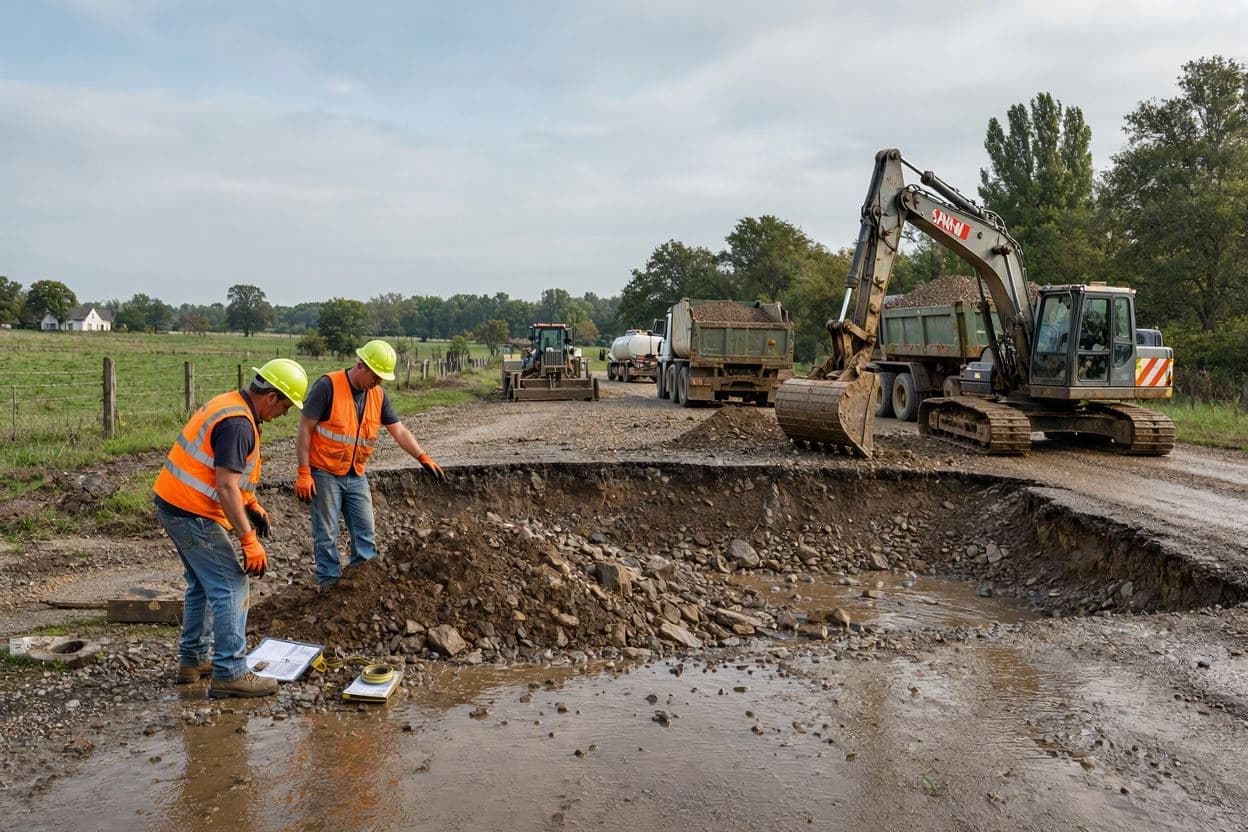
The storm brought unprecedented rainfall to the region, overwhelming drainage systems and causing significant flooding in low-lying areas. Roads were submerged, bridges compromised, and homes isolated by rising waters. Emergency services worked tirelessly to ensure the safety of residents, evacuating those in immediate danger and providing shelter. The initial chaos has subsided, replaced by the methodical pace of assessment and reconstruction. Crews are now visible across the island, working to restore connectivity and essential services.
For many residents, the aftermath involves navigating a landscape altered by the storm. Debris litters streets, and erosion has changed the contours of familiar places. The emotional toll is evident, as people survey the damage to their properties and communities. Yet, there is also a strong sense of solidarity. Neighbors help neighbors clear mud and debris, sharing resources and offering support. This communal response highlights the strength of social bonds in times of crisis, turning individual hardship into a shared endeavor.
Local governments and utility companies are prioritizing critical repairs, focusing on restoring power, water, and transportation links. The scale of the damage requires significant resources and time, meaning that full recovery will not happen overnight. Authorities are communicating regularly with the public, providing updates on progress and safety warnings. Transparency is key to maintaining trust and ensuring that residents can plan their days amidst the disruption.
The storm also raises questions about infrastructure resilience in the face of changing climate patterns. As extreme weather events become more frequent, the need for robust drainage systems and flood mitigation strategies becomes apparent. Engineers and planners are likely reviewing the performance of existing structures to identify weaknesses and implement improvements. This proactive approach aims to better protect the community against future storms, learning from the current experience.
Economic impacts are also being felt, as businesses deal with closures and damage. Tourism, a vital sector for Cape Breton, may see a temporary dip as visitors reconsider travel plans. However, the determination to repair and reopen quickly signals a commitment to economic recovery. Local leaders are emphasizing the importance of supporting regional businesses during this period, encouraging residents to spend locally to aid in the revitalization effort.
Environmental concerns persist, with runoff potentially affecting water quality and local ecosystems. Monitoring teams are testing water sources to ensure safety for drinking and recreation. Protecting the natural beauty of Cape Breton is as important as rebuilding its infrastructure, as the environment is central to the region’s identity and economy. Balancing rapid repair with environmental stewardship is a delicate but necessary task.
As repairs continue, the community remains patient and hopeful. The sight of construction crews and volunteers working side by side offers reassurance that normalcy will return. Each fixed road and restored power line is a small victory, a step toward healing. The storm may have left its mark, but it has also revealed the enduring strength of the people of Cape Breton.
Repairs in Cape Breton following the massive rain storm highlight the community’s resilience and the ongoing effort to restore infrastructure. It underscores the importance of preparedness and mutual support. Let us continue to aid in the recovery.
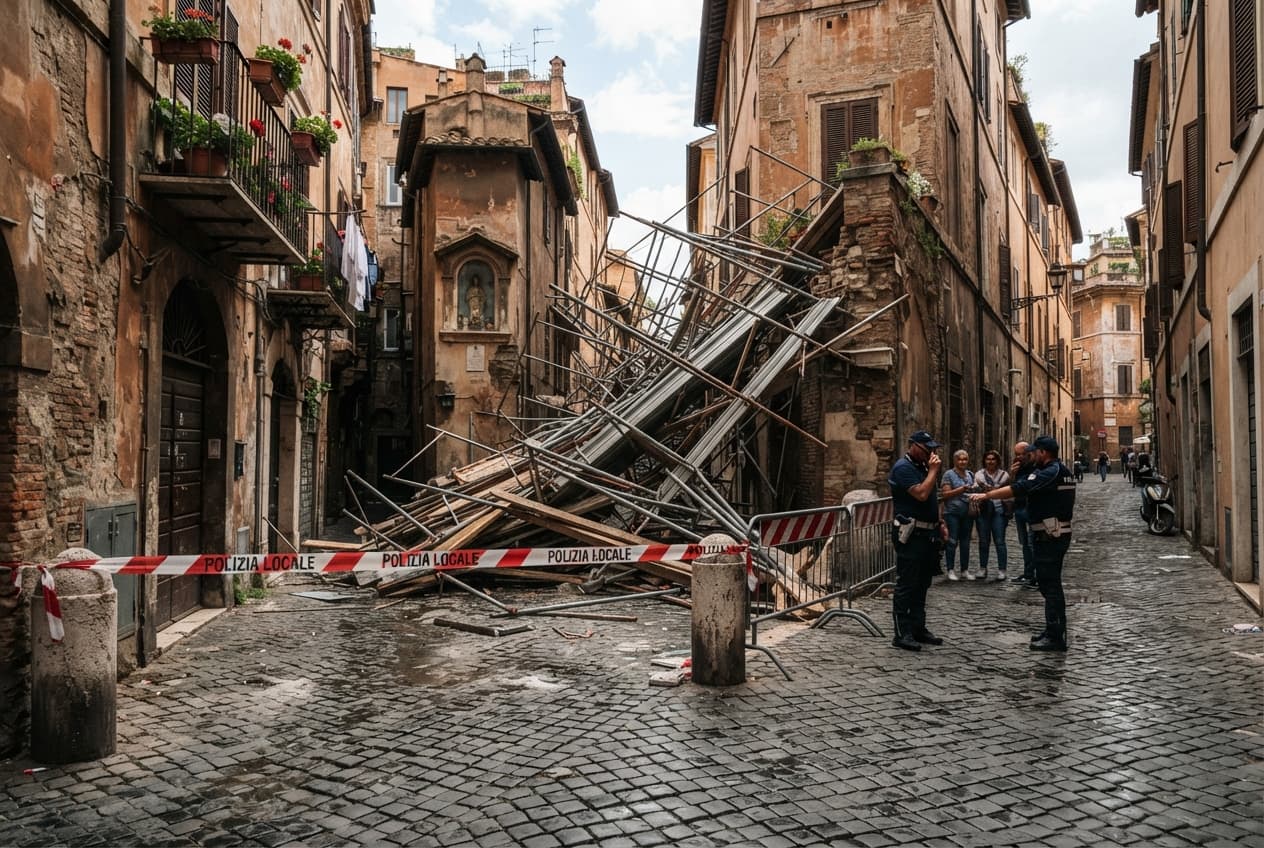
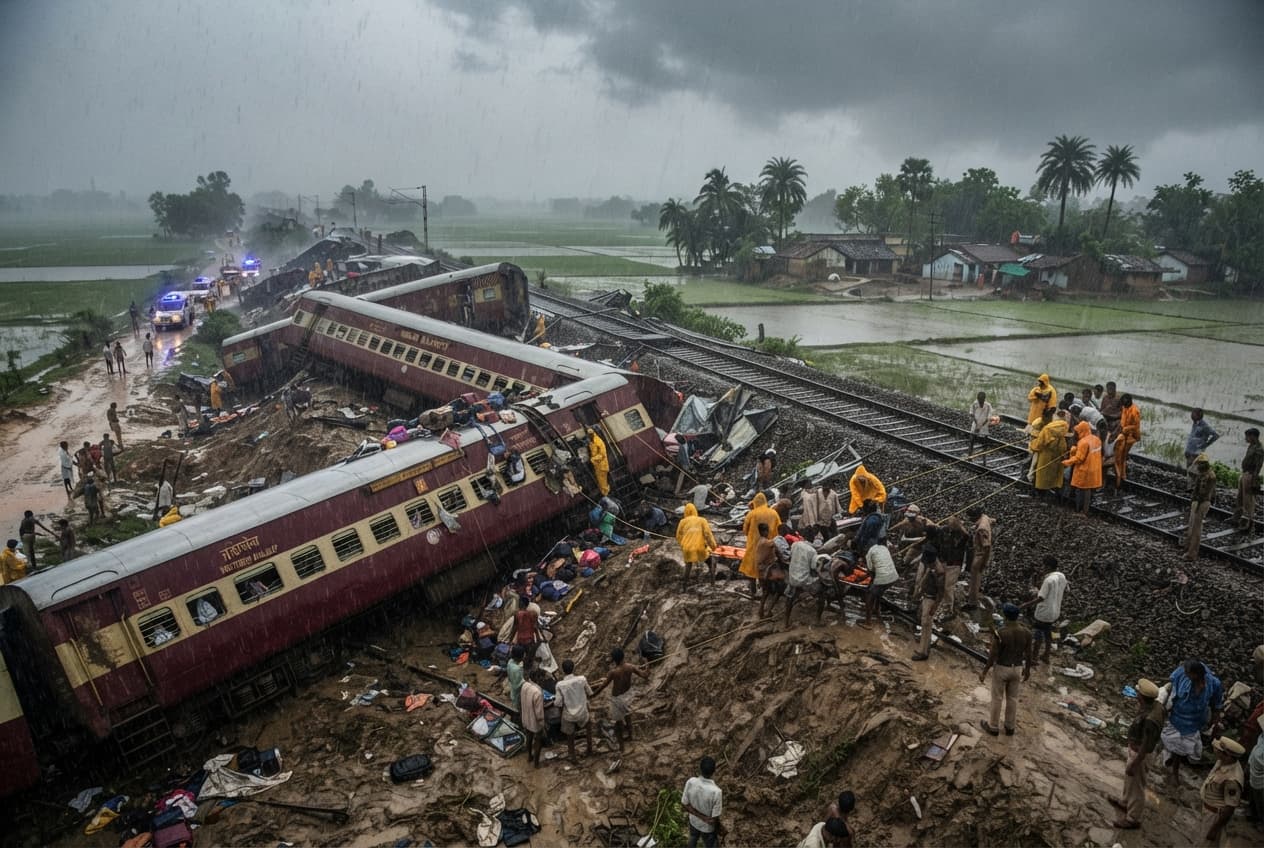
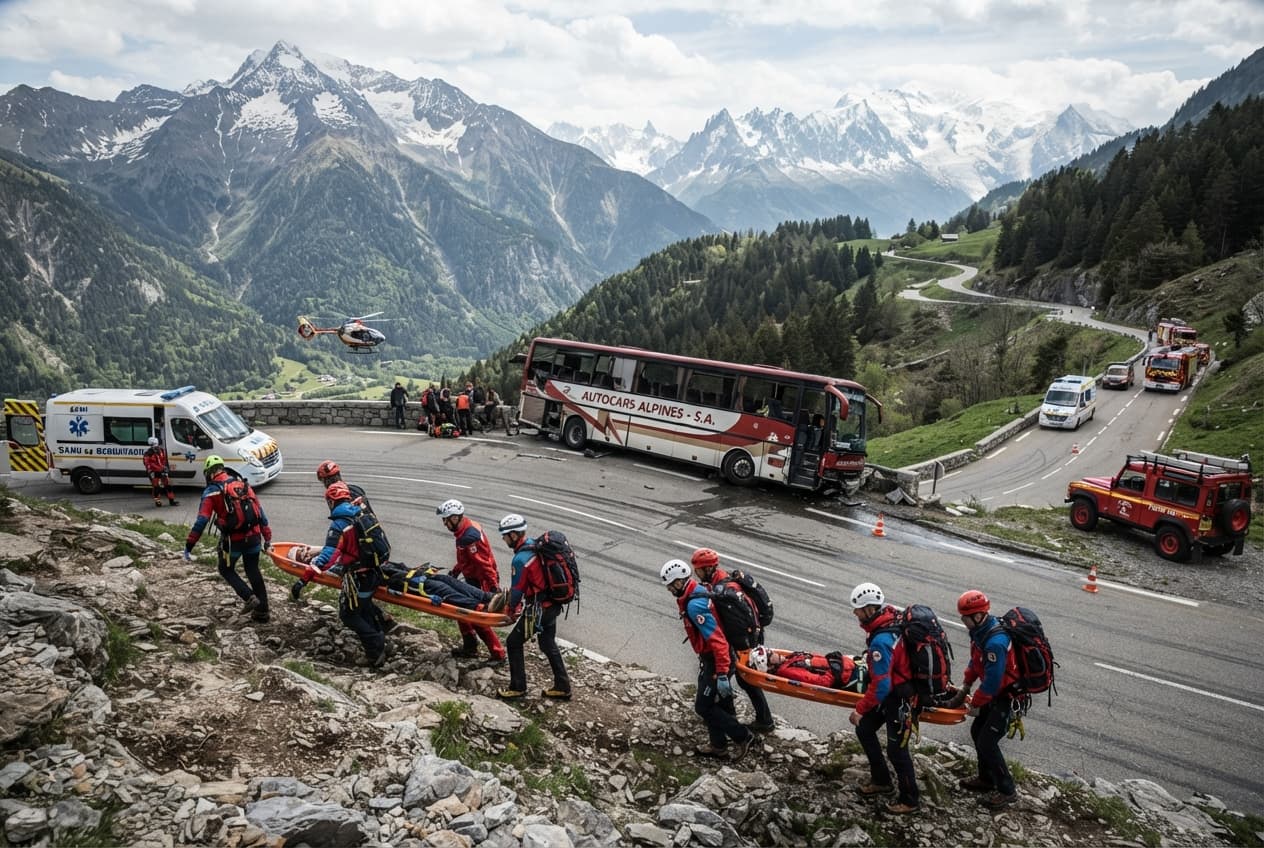
AI Image Disclaimer: The visuals accompanying this piece are AI-generated interpretations intended for illustrative purposes only.
Sources: CBC News Nova Scotia CTV News Atlantic The Chronicle Herald
Published by Banx Network. This article is part of the Banx decentralized media programme, powered by the BXE token on the XRP Ledger.