
Key Highlights
- Breakthrough:A rotating detonation engine sustains a burn for 300 seconds.
- Efficiency:This technology promises higher performance with less fuel.
- Future Impact:Potential to reshape rocket design and propulsion systems.
Recent advancements in rocket propulsion technology have taken a significant leap forward with the successful test of a rotating detonation engine (RDE) that sustained a burn for an unprecedented 300 seconds. This milestone represents a shift from traditional combustion methods, which rely on steady flames, to a more dynamic approach that utilizes continuous shockwaves for thrust generation.
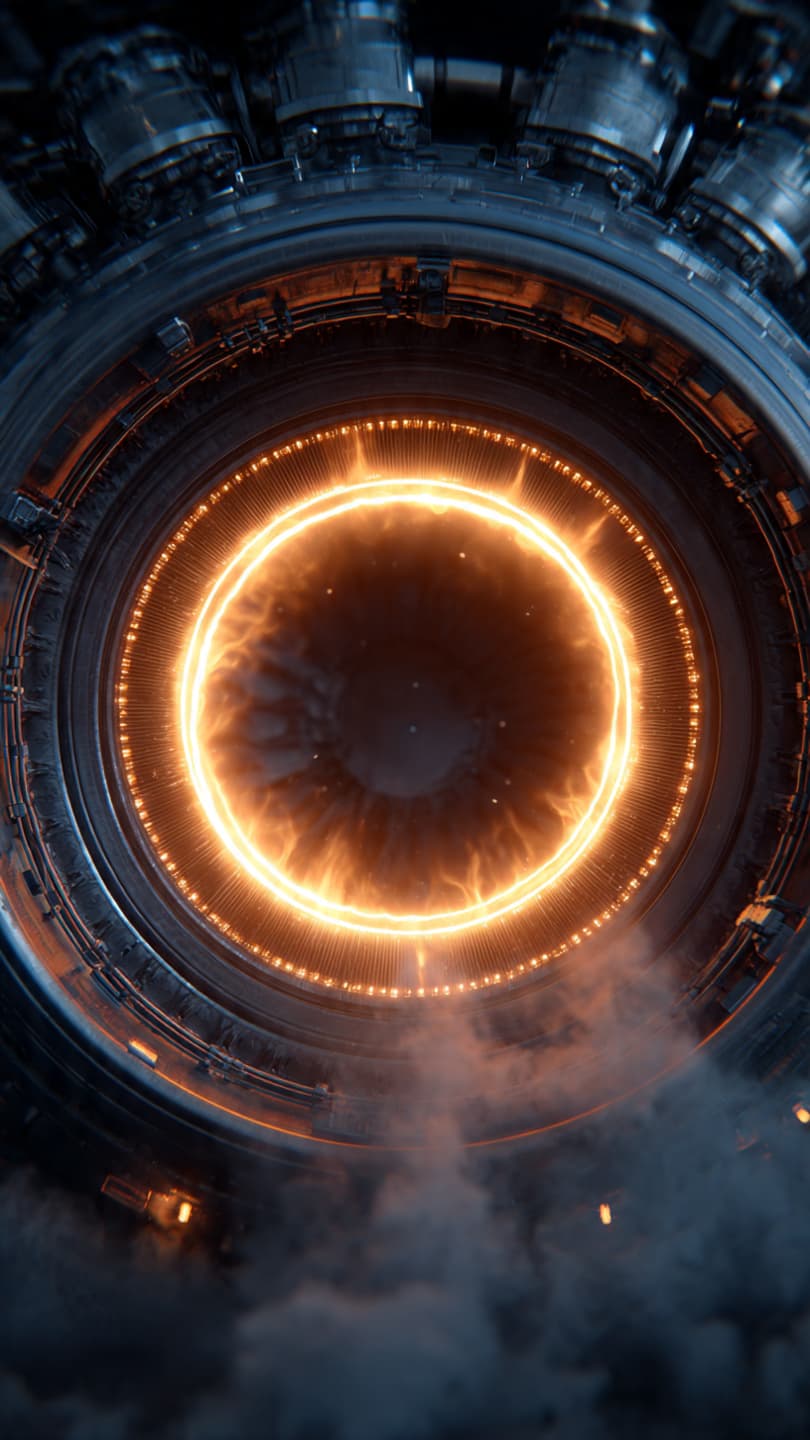
At the heart of this innovation is the rotating detonation engine, which operates differently from conventional rocket engines. Instead of relying on subsonic combustion, RDEs utilize supersonic detonation waves that travel in a continuous loop within a circular combustion chamber. This method allows for simultaneous compression and ignition of the fuel-air mixture, resulting in a more efficient thrust production. The implications of this technology are profound, particularly in the realm of spaceflight, where efficiency can significantly impact payload capacity and mission flexibility.
The significance of achieving a 300-second burn cannot be overstated. While short bursts of detonation have been demonstrated in the past, maintaining a stable detonation wave over an extended period poses considerable challenges. The engine must operate under extreme pressure and temperature conditions while ensuring that the detonation wave remains continuous and controlled. This recent achievement suggests that RDE technology is progressing beyond mere experimental proof and moving toward practical applications in real-world scenarios.
If further developed, rotating detonation engines could revolutionize rocket design. Their compact structure and enhanced efficiency make them appealing for both launch vehicles and in-space propulsion systems. Organizations such as NASA and other aerospace entities are closely monitoring these developments, recognizing the potential of RDEs to advance propulsion technologies for future missions, whether in Earth orbit or on deeper space explorations.
Despite the promising outlook, several challenges remain in the path toward operational deployment of RDE technology. Key hurdles include the need for precise control of detonation waves at scale, effective management of thermal stress, and the integration of this technology into existing rocket systems. The journey from successful testing to practical application is often fraught with obstacles, but incremental progress is being made.
In the realm of rocket propulsion, the controlled violence of a rotating detonation engine presents a new frontier. The recent 300-second test does not signify the end of development but rather a pivotal moment that shifts the horizon of what is possible in rocket technology. As researchers continue to refine this innovative approach, the future of rocket engines may very well lie in the rhythm of continuous shockwaves rather than the steadiness of traditional flames.
Published by Banx Network. This article is part of the Banx decentralized media programme, powered by the BXE token on the XRP Ledger.



