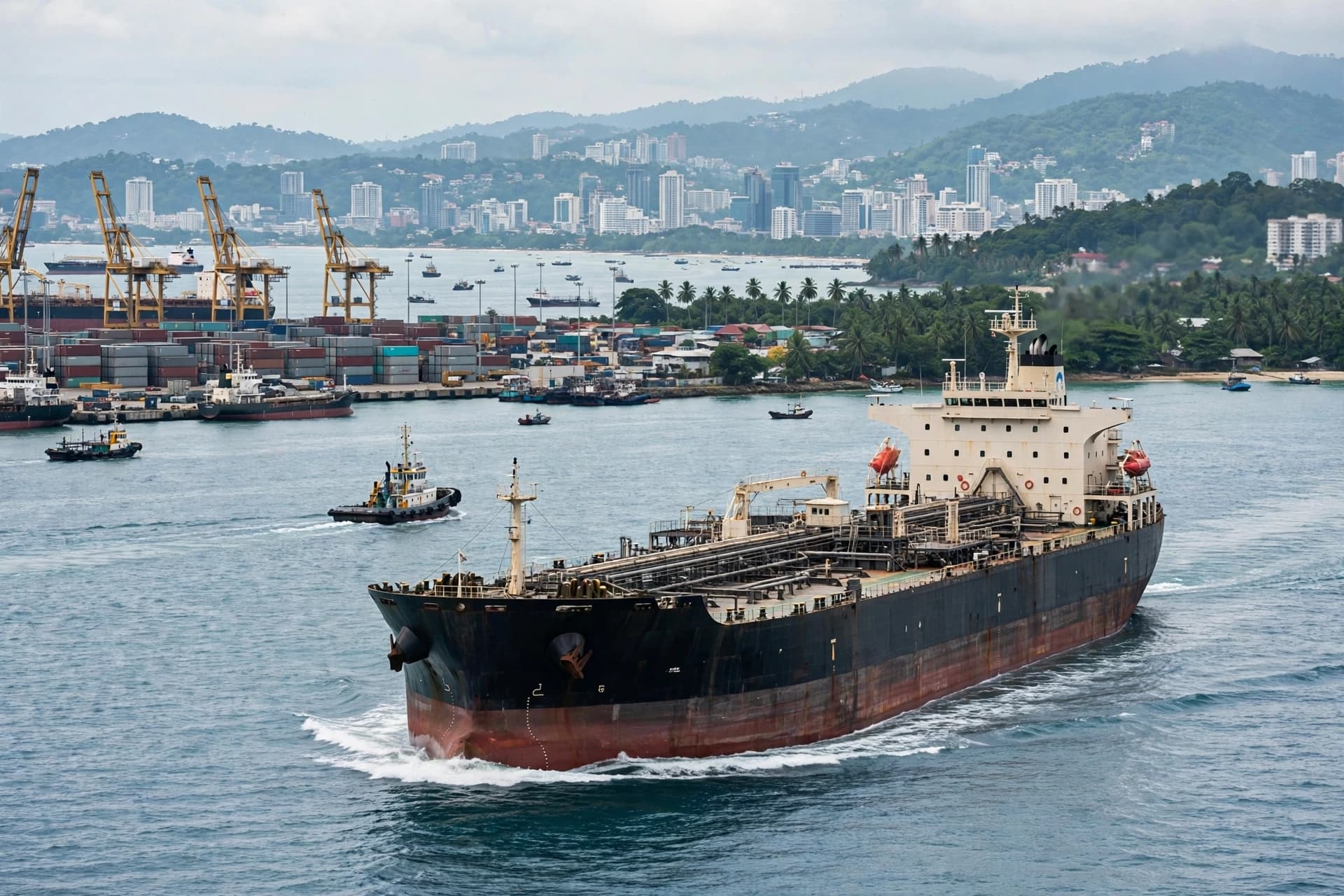
In Brasília, where the dry-season light settles gently over modernist lines of concrete and glass, economic figures arrive with the quiet authority of census bells. They do not shout. They mark. This year, the marking feels steady: Brazil’s economy expanded 2.3% in 2025, with gross domestic product reaching R$12.7 trillion, reflecting gains that stretched across sectors rather than resting on a single pillar.
The growth figure suggests momentum that has broadened beyond commodities alone. Agriculture, long a defining force in Brazil’s external accounts, posted solid output amid favorable harvest conditions and resilient export demand. In the industrial corridors of São Paulo and Minas Gerais, manufacturing activity showed renewed firmness, supported by domestic consumption and incremental investment. Services, which account for the largest share of the economy, continued to expand as tourism, retail, and business services found steadier footing.
Behind the aggregate number lies a more intricate weave. Household spending benefited from moderating inflation and a labor market that, while not without strains, has sustained employment levels. Credit conditions, shaped by the Central Bank of Brazil’s monetary policy, have gradually eased as price pressures retreated from earlier highs. Lower borrowing costs have offered some support to businesses seeking to invest and to consumers navigating installment-based purchases common in the country’s retail landscape.
The government has emphasized fiscal consolidation efforts alongside targeted social programs, seeking to balance public accounts while maintaining demand. Investors have watched closely, attentive to the interplay between spending commitments and debt dynamics. Brazil’s fiscal framework, revised in recent years, remains central to confidence in longer-term stability.
Externally, trade has contributed meaningfully. Exports of soybeans, iron ore, and oil have remained robust, even as global demand patterns shift. At the same time, diversification into value-added goods and services continues to feature in policy discussions, aimed at reducing vulnerability to commodity cycles. The Brazilian real has moved in response to global capital flows, yet the broader macroeconomic backdrop has offered relative steadiness.
Regional contrasts persist. Some states have benefited disproportionately from agribusiness and energy projects, while others continue to navigate structural challenges in infrastructure and income distribution. The 2.3% expansion, though encouraging, does not erase these disparities. It does, however, suggest that growth has not been narrowly confined.
Economists note that sustaining this pace will depend on continued productivity gains and reform momentum. Investment in logistics, digital infrastructure, and education remains pivotal. So too does maintaining inflation within target, a task that keeps the central bank’s deliberations finely calibrated.
As evening settles over the Esplanade of Ministries and the traffic hums along the Eixo Monumental, the year’s figures take on their fuller meaning. R$12.7 trillion is more than a ledger entry; it is the composite of harvests gathered, goods assembled, services rendered, and wages earned. Brazil’s economy has grown—not in a sudden surge, but in a broad and measured expansion. The challenge now is to carry that breadth forward, ensuring that the next set of numbers reflects not only scale, but durability.
AI Image Disclaimer Visuals are AI-generated and serve as conceptual representations.
Published by Banx Network. This article is part of the Banx decentralized media programme, powered by the BXE token on the XRP Ledger.