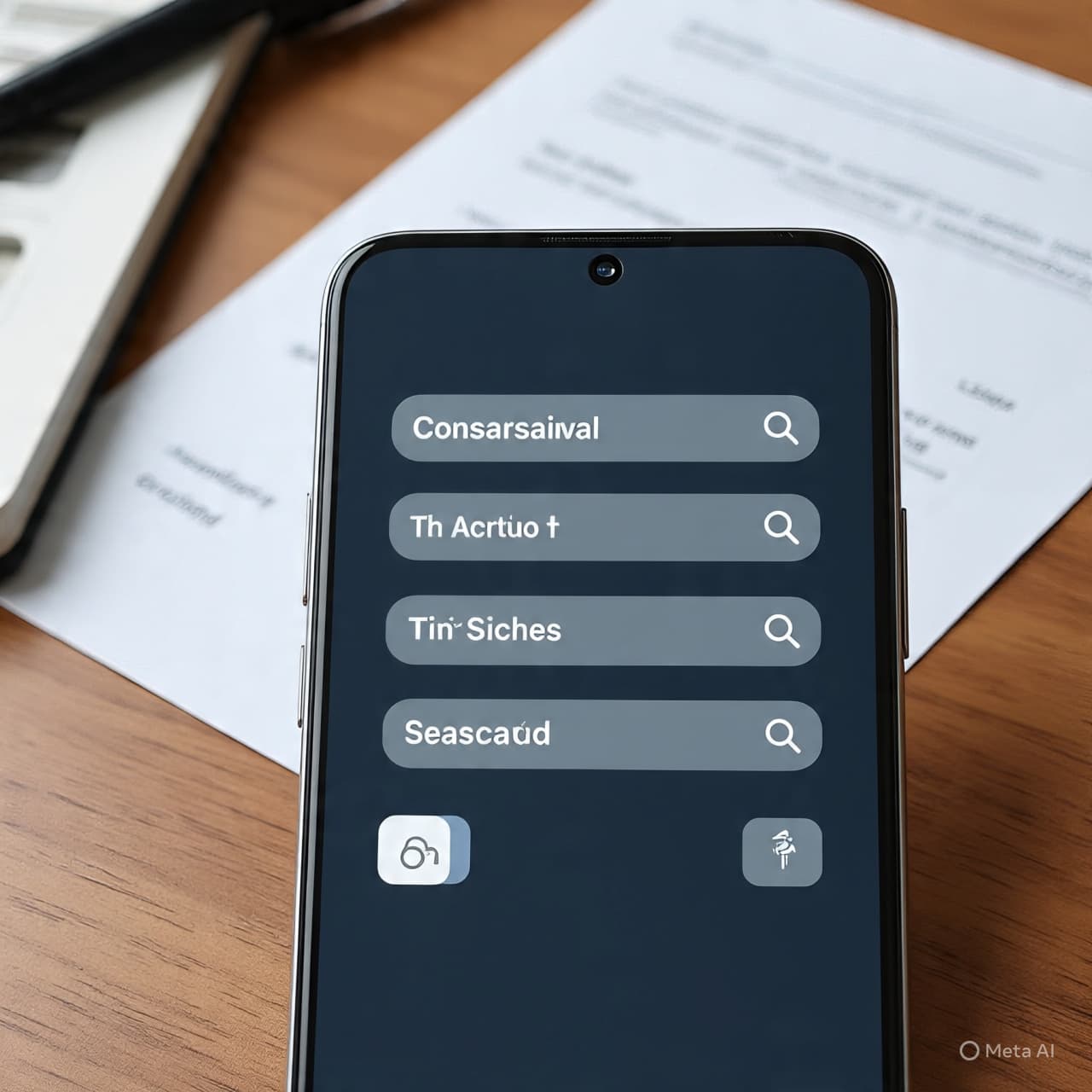
Technology rarely stands still. It evolves the way cities do — one building at a time, then suddenly a skyline has changed. What begins as a single tool often becomes a network, a constellation of capabilities that reshape how people move through their digital lives. In that steady expansion, artificial intelligence is no longer a feature tucked into menus; it is becoming an ecosystem.
This week, Galaxy AI signaled such a shift, moving toward what executives describe as a multi-agent architecture. Rather than operating as a collection of isolated smart tools, the platform is evolving into a system where specialized AI agents collaborate behind the scenes. Each agent handles distinct tasks — search, summarization, writing, contextual recommendations — yet works in coordination with others to create a more seamless experience.
The transformation also includes deeper integration with , a company known for its AI-driven conversational search capabilities. By embedding Perplexity’s technology more directly into Galaxy devices, the aim is to enhance real-time information retrieval, contextual answers, and research-style responses within native apps. Instead of toggling between services, users may find assistance layered more fluidly across their devices.
For , the move reflects a broader industry trajectory. Smartphones are increasingly becoming AI hubs rather than mere communication devices. The idea of a “multi-agent ecosystem” suggests a modular intelligence — one that can adapt to user intent, draw from multiple models, and coordinate actions without requiring constant manual prompts.
In practical terms, this could mean drafting a message while another agent checks facts, translating a conversation while summarizing key points, or generating contextual insights drawn from web search and personal data — all within a unified interface. The ambition is not simply to make devices smarter, but to make them feel more intuitive, almost anticipatory.
The collaboration with Perplexity AI underscores the growing importance of conversational search. As users increasingly expect answers framed in natural language rather than lists of links, AI-powered search engines are becoming central to digital ecosystems. By weaving such capabilities into Galaxy AI, Samsung appears to be positioning its devices as gateways to a more integrated knowledge experience.
There are, of course, considerations that accompany such expansion. Data privacy, transparency of AI decision-making, and computational demands remain ongoing areas of focus. Multi-agent systems, while powerful, also introduce complexity. Ensuring that coordination between agents remains secure and reliable will be as important as the features themselves.
Still, the broader narrative is one of convergence. AI is no longer a background assistant; it is becoming an organizing layer across hardware and software. The distinction between apps and intelligence grows thinner as systems learn to collaborate internally.
In straightforward terms, Galaxy AI is evolving into a coordinated multi-agent platform with deeper integration of Perplexity AI’s conversational search capabilities. The update aims to deliver more seamless, context-aware assistance across Samsung devices. Further technical details and rollout timelines are expected as the ecosystem continues to expand.
AI Image Disclaimer Graphics are AI-generated and intended for representation, not reality.
Sources
The Verge TechCrunch Bloomberg CNBC Wired
Published by Banx Network. This article is part of the Banx decentralized media programme, powered by the BXE token on the XRP Ledger.