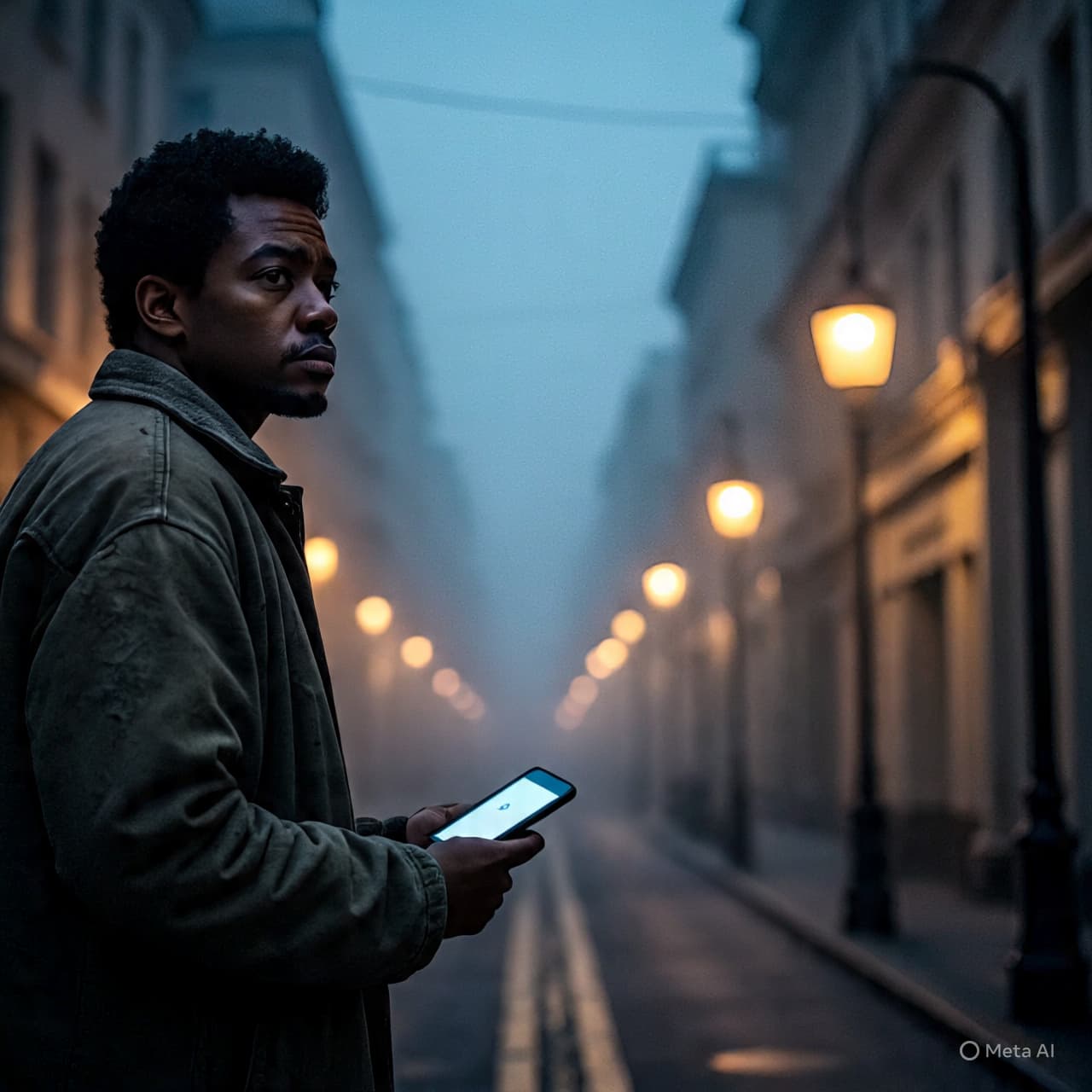
The idea is immediate in its appeal: a phone that warns you not just that danger might be near, but precisely where it stands. For stalking victims, the thought of a tiny blue dot revealing the approach of someone who has haunted their steps is nearly intoxicating — a chance to step aside, call for help, or simply breathe. Reports that such an app may be in development have circulated in tech and advocacy circles, and the conversation it sparks matters as much as the technology itself.
At its best, a location-aware tool offers tangible benefits. Stalking is intimate terror; it is the erosion of safety in routine places. An app that translates anxiety into actionable data could restore agency: route changes, instant alerts to friends or authorities, and concrete evidence for legal action. In regions where reporting mechanisms are slow or protection orders stingily enforced, technical help might look like a clear improvement.
But the promise arrives with a ledger of risks. Exact, real-time location data is a potent thing — and potent things are easily misused. If a stalker learns they are being tracked, they may escalate, retaliate, or employ counter-measures that make victims more vulnerable. There is a horrifying flip side: tools meant to protect can be turned into instruments of control. Worse, systems that gather and display precise geolocation raise endemic privacy issues for bystanders and for wider communities.
Technically, the concept is feasible: smartphones, Bluetooth beacons, geofencing, and GPS triangulation already enable proximity alerts in many consumer apps. The crucial differences lie in design choices and guardrails: is tracking consensual? Is it court-ordered? Who holds the data, and how long is it stored? Does law enforcement have access, and under what safeguards? Each of those answers determines whether the app becomes a shield — or a surveillance device with mission creep.
Ethically, the balance is delicate. Victim advocates rightly press for stronger protections and tools that empower survivors without exposing them to new harms. Privacy scholars warn against blanket location sharing and underscore the need for consent, encryption, strict access logs, and fail-safe mechanisms that prevent misuse. Policymakers, too, must consider whether technical fixes risk substituting for durable legal protections: an app is no substitute for robust stalking laws, rapid enforcement, shelters, and social supports.
If such an app progresses, its development should be public, participatory, and transparent — co-designed with survivors, technologists, civil-liberties experts, and law-enforcement partners. Pilot programs, independent audits, sunset clauses, and strict legal standards for data use would reduce harm. Otherwise, we risk trading one form of vulnerability for another.
Ultimately, the allure of a small dot on a map belies the complexity behind the cordon it promises. Safety innovations deserve enthusiasm — but they also demand scrutiny. For victims caught in the slow churn of protection systems, technology may offer relief. But without care, it could also offer new pathways for control. In debates about apps that promise to show a stalker’s exact location, the question is not just whether we can build them — it is whether we should, and if so, how responsibly.
AI IMAGES disclaimer : Images for Illustration only
Published by Banx Network. This article is part of the Banx decentralized media programme, powered by the BXE token on the XRP Ledger.