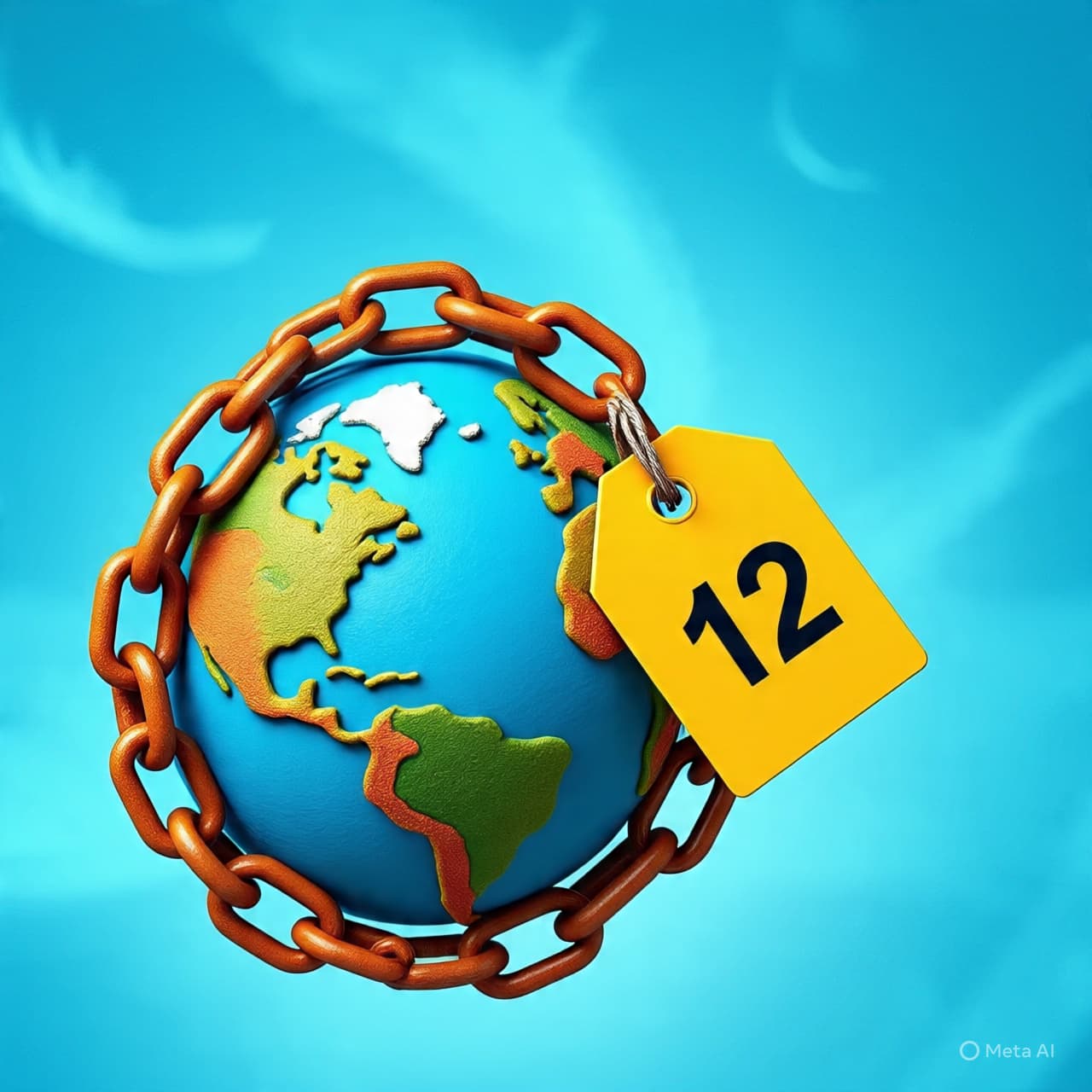
There’s a quiet inflation that doesn’t start with interest rates — it starts with borders. Every tariff, every levy, is a ripple that moves from customs ports to supermarket shelves. This year, that ripple has turned into a wave.
The Financial Times reports that new trade levies have begun to lift prices across industries — from canned foods to car parts. What began as policy tools are now economic burdens carried by the everyday consumer. Manufacturers speak of higher input costs; distributors of delayed shipments; families of shopping lists that no longer stretch as they once did.
Economists describe tariffs as blunt instruments — they protect one side but wound the other. Yet, in politics, they remain irresistible: visible symbols of strength in an invisible global struggle. Trade wars rarely end with victors, only with quieter markets and heavier wallets.
In the aisles of ordinary life, the result is simple but profound — the cost of living becomes the cost of policy. According to the Financial Times, recent U.S. trade tariffs are driving price increases across multiple sectors, from household goods to automotive components. Analysts say rising costs may persist through 2026.
AI Image Disclaimer: Graphics are AI-generated and intended for representation, not reality.
Sources: Financial Times, Moneycontrol, Bloomberg Economics
Published by Banx Network. This article is part of the Banx decentralized media programme, powered by the BXE token on the XRP Ledger.