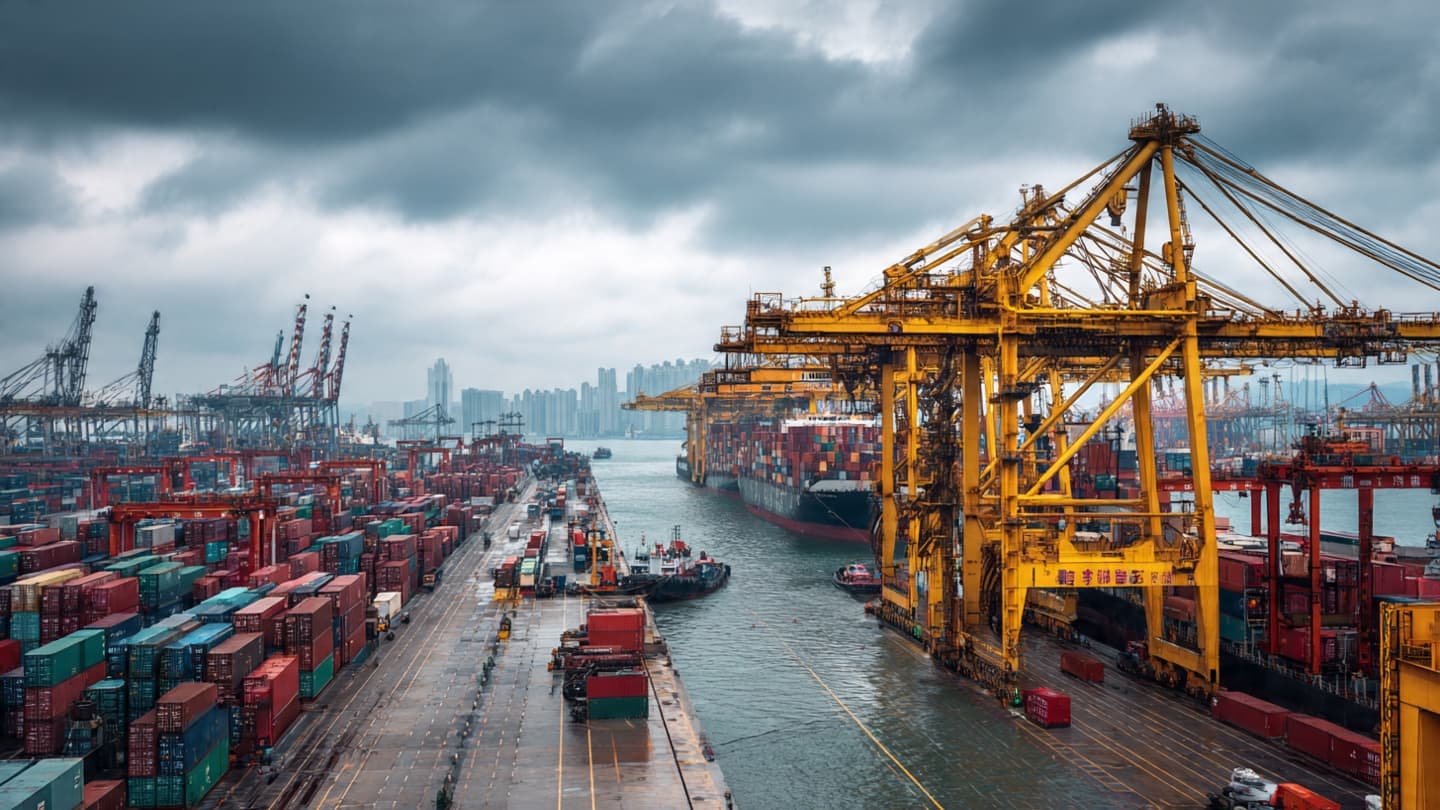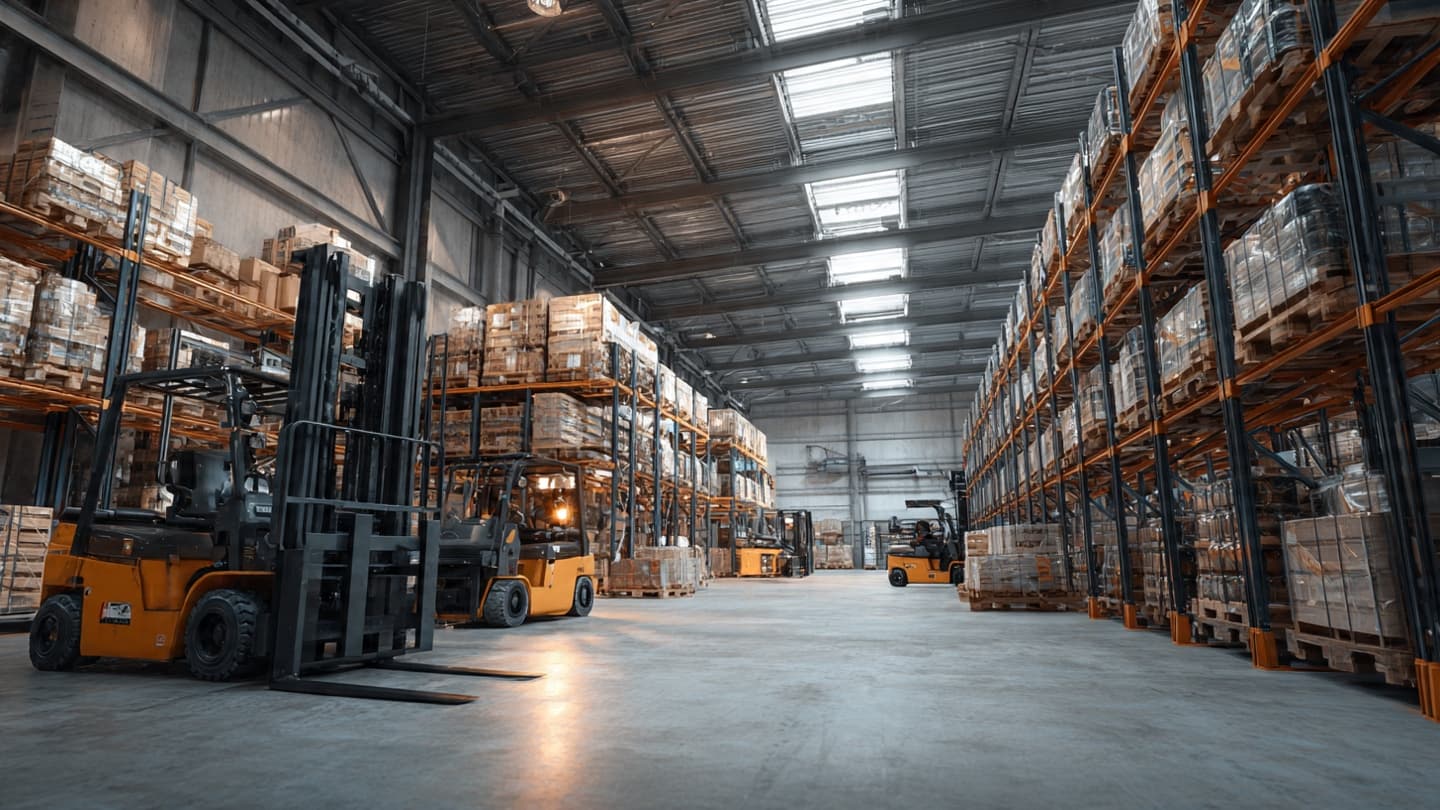
There is a different kind of quiet inside a factory when orders begin arriving more slowly. Machines may continue turning, trucks may still cross the gates, and workers may keep their familiar routines, yet the pace beneath the surface can change almost imperceptibly. India’s manufacturing sector entered September carrying precisely that softer rhythm.
The HSBC India Manufacturing Purchasing Managers’ Index fell to 52.8 in August from 53.5 in July, according to data compiled by S&P Global. The reading remained above the 50-point threshold separating expansion from contraction, but marked the slowest pace of factory growth in five years.
The change was particularly visible in new orders. Growth in incoming business slowed to its weakest pace since August 2021, with companies reporting challenging market conditions and weaker demand for some products. Export orders continued to grow, although international demand also lost some momentum compared with July.
Production followed the same path. Output continued expanding, but at its slowest pace in five years, suggesting that manufacturers were becoming more cautious about the amount of goods moving through their production lines.
The labor market offered another notable signal. Employment in the manufacturing sector declined for the first time in more than two years, according to the survey. For an economy where industrial employment can provide an important bridge between investment and household income, the change adds another layer to the August picture.
India’s manufacturing economy remains diverse, stretching from automobiles and electronics to pharmaceuticals, textiles, chemicals, and machinery. Conditions can therefore vary considerably across industries, with stronger export-oriented businesses sometimes moving differently from companies dependent mainly on domestic customers.
The slowdown also arrives alongside a broader regional pattern in which artificial-intelligence-related demand has strengthened some Asian factories. China and Japan recorded stronger manufacturing readings in August, while Indonesia and India experienced slower activity, illustrating how differently supply chains and domestic demand can shape factory performance.
India’s wider economy nevertheless retains areas of strength. Gross domestic product grew 7.8% in the April-June quarter, supported by investment and manufacturing activity, even as some consumer-facing services and mining remained weaker.
That contrast makes the manufacturing data less a portrait of collapse than a reminder of how uneven economic momentum can become. A strong quarterly growth rate can coexist with softer factory orders a few months later as businesses adjust to changing demand.
As September begins, Indian manufacturers will be watching whether new orders regain momentum, whether export demand strengthens again, and whether employment stabilizes. August brought a slower industrial rhythm, but the factories themselves remain an important part of the country's broader economic expansion.
AI IMAGE DISCLAIMER
These AI-generated visuals are conceptual representations of India’s manufacturing sector and are not real photographs.
SOURCES
Reuters S&P Global HSBC
Published by Banx Network. This article is part of the Banx decentralized media programme, powered by the BXE token on the XRP Ledger.