
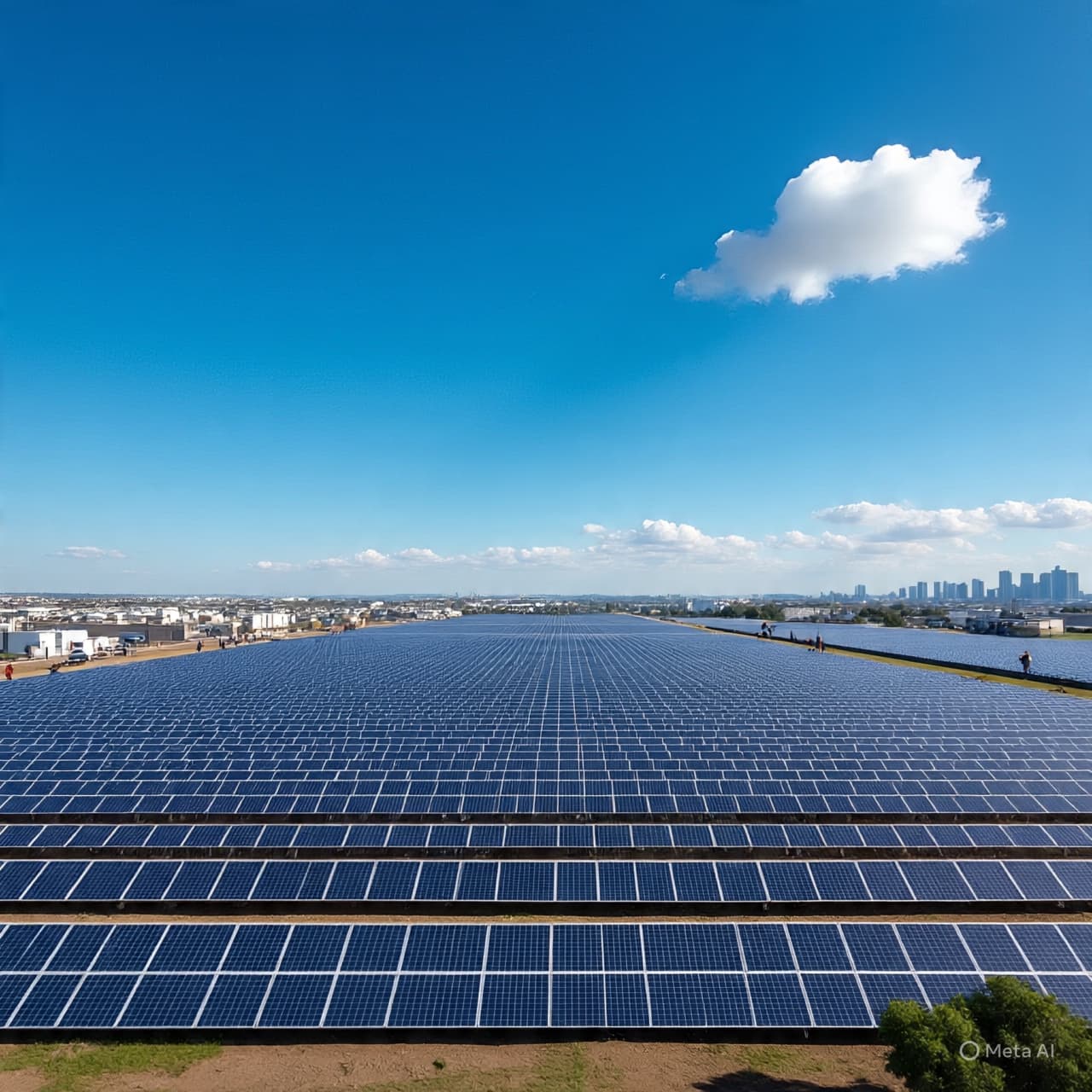
Key Highlights
- Solar energy costs have significantly decreased, making it a leading source of new electricity generation.
- Fossil fuels are becoming increasingly expensive compared to solar energy.
- The transition to solar energy is reshaping investment and policy decisions globally.
The perception of sunlight has evolved dramatically over the years. Once viewed as an impractical energy source, solar power is now at the forefront of the energy transition, driven by technological advancements and decreasing costs. Over the past decade, the price of solar energy has plummeted, making it the most affordable option for new electricity generation in many regions. This shift marks a significant turning point in the energy landscape, where solar power is no longer just a possibility but a reality with momentum.
As solar technology has improved, the costs associated with its production and installation have decreased. This has been facilitated by advancements in manufacturing processes and economies of scale. In contrast, fossil fuels, which have long been the backbone of energy generation, are increasingly viewed as a more expensive option. The volatility of fossil fuel prices, influenced by global market dynamics and geopolitical tensions, further complicates their viability as a stable energy source.
The implications of this transition are profound. Solar energy offers a stable pricing model, free from the extraction costs and transportation vulnerabilities that plague fossil fuels. Once solar panels are installed, the ongoing costs are primarily related to maintenance, making it a predictable and efficient energy source. This stability is particularly appealing in a world where fossil fuel prices can fluctuate dramatically due to supply constraints and political instability.
However, the transition to solar energy is not without its challenges. Many regions still rely heavily on fossil fuels, with existing infrastructure built around coal, oil, and natural gas. The process of replacing this infrastructure is complex and requires significant investment and coordination. As a result, while solar energy is gaining traction, it coexists with fossil fuels in the current energy mix, necessitating a careful rebalancing rather than a complete replacement.
Backup energy sources, often fossil-based, remain essential during periods of high demand or low sunlight. Although advancements in energy storage technologies, such as batteries, are underway, they have yet to reach the scale needed for complete reliability. This highlights the importance of a gradual transition that accommodates both renewable and traditional energy sources.
As solar energy becomes more economically viable, it is attracting increased investment. Utilities are reevaluating their long-term energy strategies, and governments are adjusting policies to support renewable energy initiatives. Private companies are also shifting towards renewable portfolios, motivated not only by environmental concerns but also by the economic advantages of solar energy.
The language of energy is changing, reflecting a broader trend where cost considerations increasingly favor renewables over fossil fuels. This transition is not merely a response to urgency but is becoming an inevitable shift in energy strategies worldwide. The pace of this change will depend on ongoing developments in infrastructure, energy storage, and policy decisions across global markets. As the cost advantage of solar energy continues to grow, it is poised to redefine the future of energy generation.
Published by Banx Network. This article is part of the Banx decentralized media programme, powered by the BXE token on the XRP Ledger.



