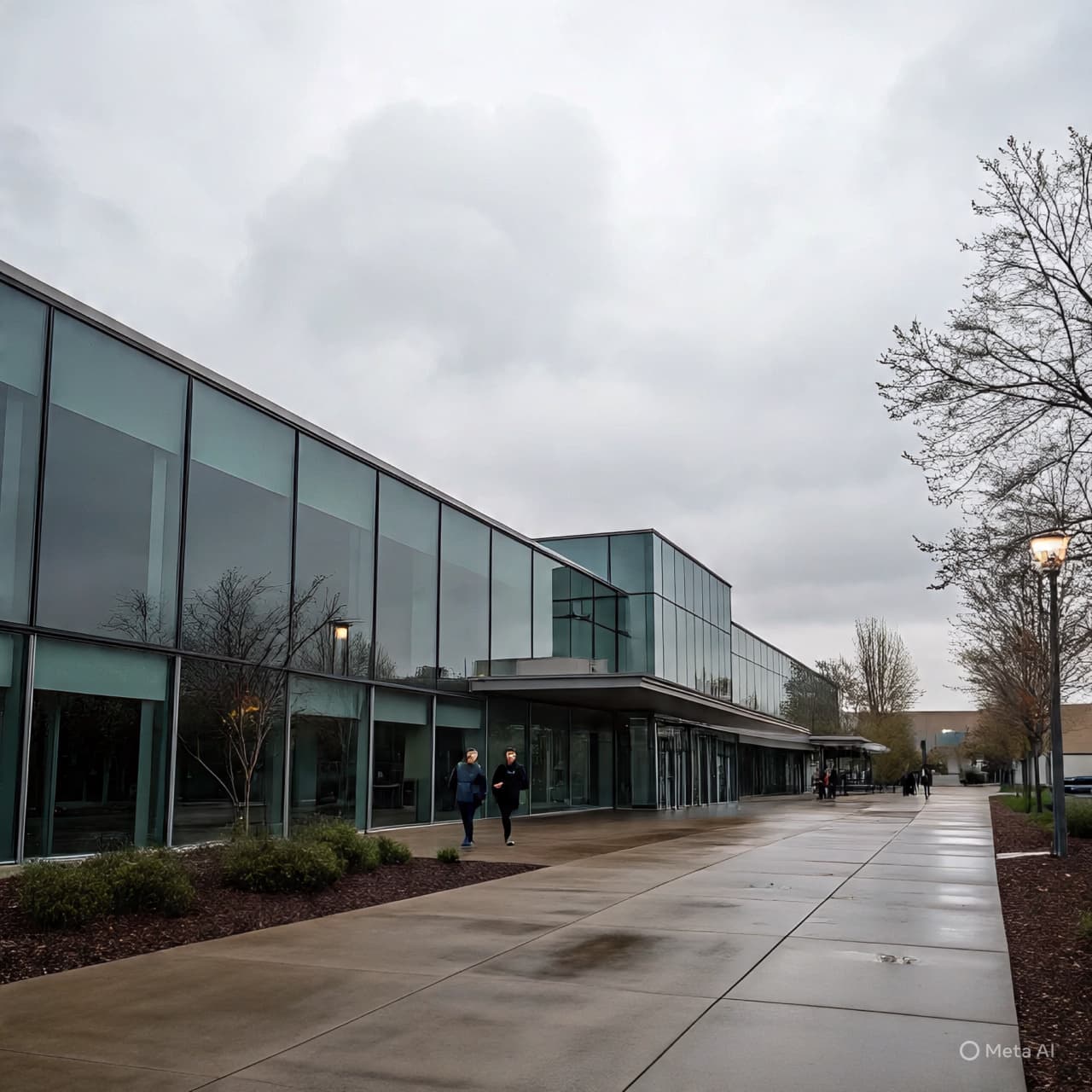
The stores are still there, but they feel different now. Less experimental, less sprawling, more deliberate. Amazon’s physical retail footprint—once a laboratory for ambition—has entered a period of recalibration, mirroring a broader effort inside the company to move with sharper purpose and fewer excess motions.
Amazon’s decision to reset its brick-and-mortar strategy, alongside another round of layoffs, reflects a sustained push for efficiency after years of rapid expansion. The company has narrowed its focus to formats that show clearer paths to profitability, while stepping back from concepts that promised insight but struggled to justify their cost. What once felt exploratory is now being measured more strictly by return.
The pullback follows a long arc. During the pandemic, Amazon expanded aggressively, building capacity for a world that seemed permanently altered. As demand normalized, that scale became harder to support. Warehouses, teams, and retail experiments designed for constant growth were suddenly subject to scrutiny. Efficiency, once secondary to speed, moved to the center of decision-making.
Physical retail has been a visible part of that reassessment. Amazon Fresh stores have been reworked, cashierless technology simplified, and expansion plans slowed. The company has leaned away from novelty toward practicality, emphasizing locations and systems that reduce friction without demanding heavy ongoing investment. The reset is not an exit, but a refinement.
Layoffs tell the same story from a different angle. Cuts across retail, devices, and corporate roles reflect an effort to flatten structures and concentrate resources where Amazon sees durable demand. Leadership has framed the reductions as necessary discipline, a way to align staffing with a more stable, less speculative phase of growth.
Together, the moves suggest a company adjusting its posture. Amazon is no longer building for a hypothetical future shaped by endless consumption, but for one defined by cautious households, tighter capital, and shareholders demanding clarity. Innovation remains, but it is now expected to justify itself more quickly.
The efficiency drive does not signal retreat so much as recalibration. Amazon continues to sell, ship, and serve at vast scale. What has changed is the tolerance for excess—of space, of headcount, of ideas that take too long to pay off.
In the quieter rhythm of fewer experiments and leaner teams, Amazon appears to be learning how to operate not as a disruptor in constant motion, but as a mature institution learning where to stop as carefully as it once learned where to grow.
AI Image Disclaimer
Illustrations were generated using AI tools and are intended as conceptual representations.
Sources
Amazon Reuters Bloomberg The Wall Street Journal Financial Times
Published by Banx Network. This article is part of the Banx decentralized media programme, powered by the BXE token on the XRP Ledger.