There are places on the map where geography seems to gather the world into a single, narrow line—where distant nations find themselves connected not by proximity, but by dependence. The Strait of Hormuz is one such place, a passage both confined and expansive, where the movement of ships carries with it the weight of global necessity.
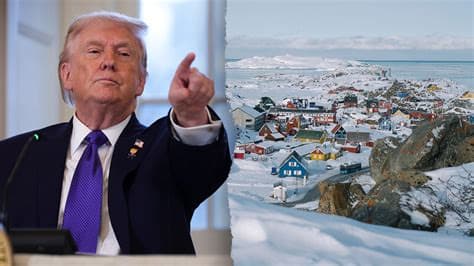
In recent remarks shared publicly, former U.S. President Donald Trump suggested that countries far beyond the Gulf—specifically Japan, South Korea, and China—should play a more direct role in the security and stability of the strait. The message, delivered in the familiar immediacy of social media, framed the issue not only as a regional concern, but as a shared responsibility shaped by reliance on energy flows that pass through the narrow waterway.
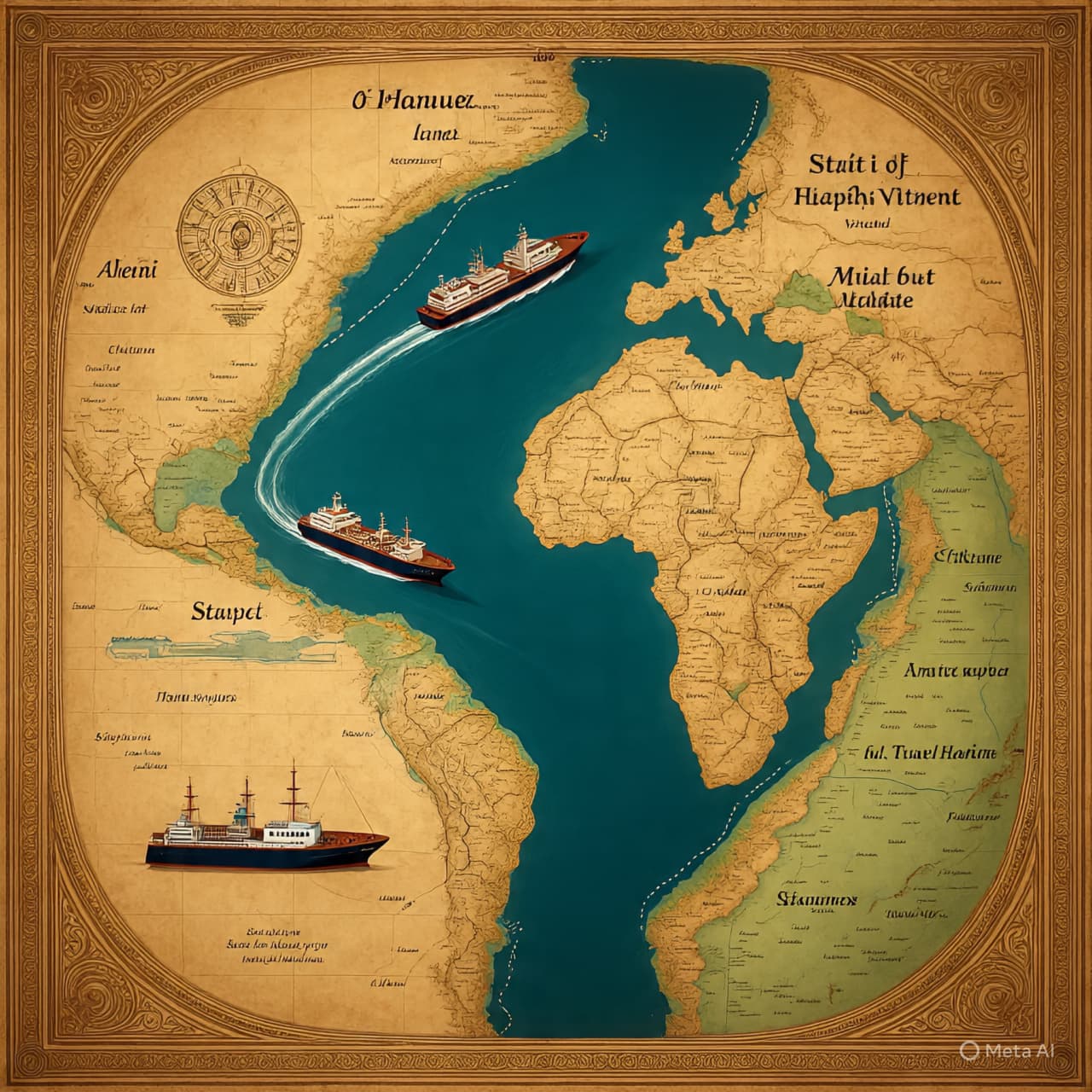
The Strait of Hormuz, situated between Iran and Oman, remains one of the most strategically significant transit routes in the global energy system. A substantial portion of the world’s oil exports moves through its waters, linking producers in the Middle East to consumers across Asia and beyond. For countries such as Japan and South Korea, whose energy supplies depend heavily on imports, the passage is less a distant concern than a vital corridor.
Trump’s remarks reflect a perspective that views this dependence as a basis for broader participation. The suggestion that these nations “need to be involved” introduces the idea of shared stewardship—of security responsibilities extending beyond traditional alliances and into a more distributed framework. It is a concept that has surfaced at various moments, particularly during periods of heightened tension in the region.
China, too, occupies a central place in this consideration. As one of the world’s largest energy consumers, its connection to the strait is both substantial and growing. The inclusion of China in such a call underscores the scale of reliance that defines the modern energy landscape, where consumption patterns link distant economies to a single maritime route.
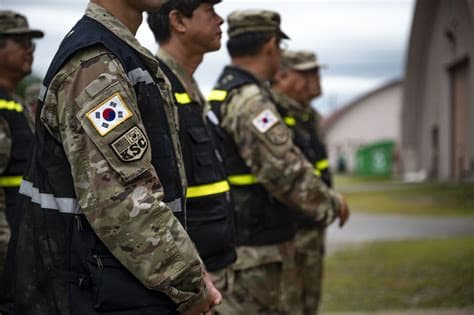
At the same time, the reference to South Korea highlights the existing ties that shape these relationships. U.S. support for allies in East Asia has long been a component of broader security arrangements, extending from defense commitments to economic cooperation. The suggestion that these partnerships might evolve to include a more active role in Gulf security reflects a potential shift in how responsibilities are understood.
Yet the path from statement to action remains uncertain. The involvement of additional nations in a region already marked by complexity raises questions of coordination, authority, and long-standing geopolitical dynamics. Security in the Strait of Hormuz has traditionally been shaped by a combination of regional actors and international naval presence, and any expansion of that framework would require careful negotiation.
Markets, as ever, observe such developments with a measured attention. The stability of the strait carries direct implications for energy prices, shipping routes, and broader economic conditions. Even the suggestion of increased involvement can influence expectations, adding another layer to an already intricate landscape.
And so the remark settles into the wider discourse, not as a directive, but as a signal—an indication of how one perspective envisions the distribution of responsibility in a connected world.
Former U.S. President Donald Trump said in a social media post that Japan, South Korea, and China should be involved in the Strait of Hormuz, adding that the United States is providing significant support to South Korea. The comments come amid ongoing concerns about the security of the key global energy transit route.
AI Image Disclaimer
Illustrations were generated using AI and are intended for conceptual visualization only.
Source Check Reuters Bloomberg CNBC The Wall Street Journal Financial Times
Published by Banx Network. This article is part of the Banx decentralized media programme, powered by the BXE token on the XRP Ledger.