

Key Highlights
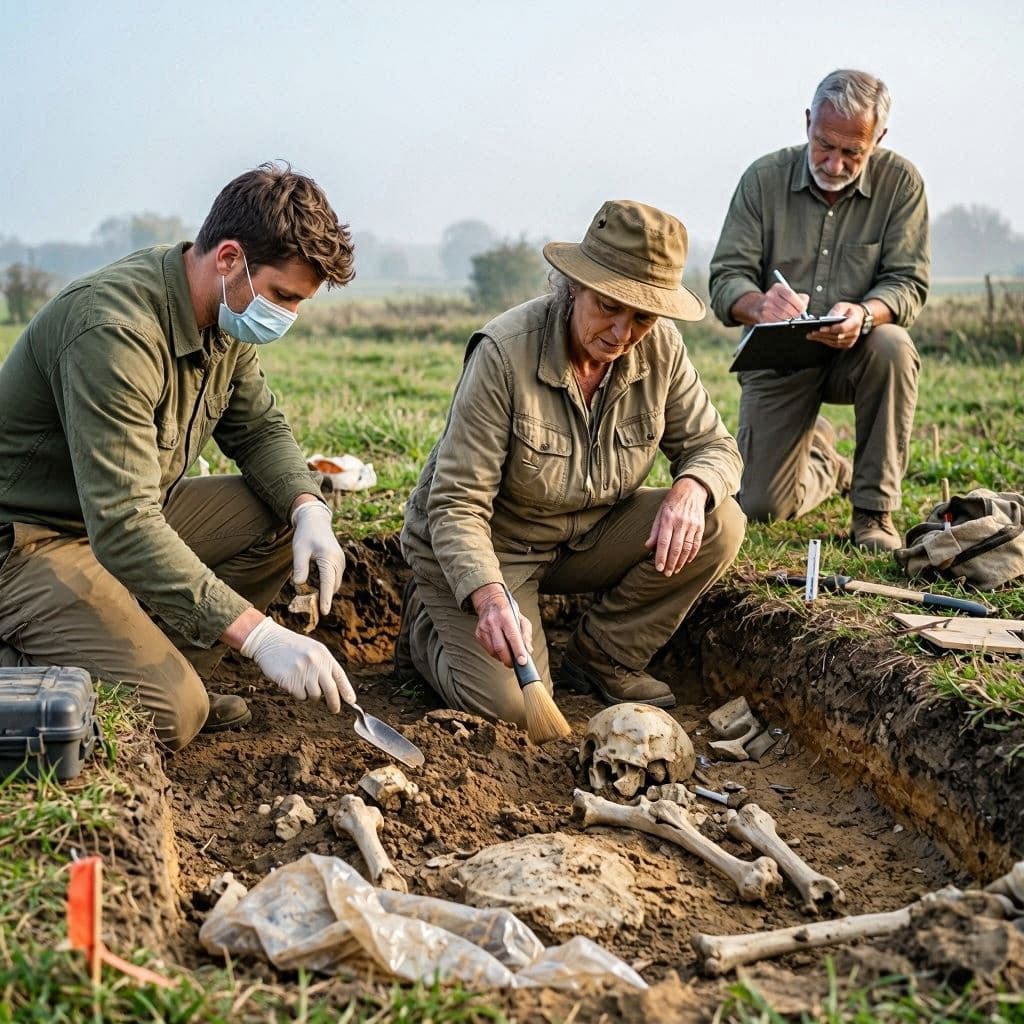
- Exhumation Site:Archaeologists uncover remains from the Volyn massacres.
- Historical Context:The massacres occurred between 1943-1944 during WWII.
- Diplomatic Efforts:Ukraine and Poland collaborate for reconciliation.
In the quiet fields of western Ukraine, near the village of Ostrivky, archaeologists and historians are uncovering human remains linked to the Volyn massacres, a tragic episode from World War II that has long affected relations between Ukraine and Poland. This meticulous exhumation process is revealing the stories of lives lost, with each bone serving as a poignant reminder of the human cost of conflict. As one researcher poignantly stated, "Each of them had their dreams," highlighting the personal narratives behind historical statistics.
The Volyn massacres, which occurred between 1943 and 1944, involved violent confrontations between Ukrainian nationalist insurgents and Polish civilians, resulting in the deaths of thousands of Poles and many Ukrainians in retaliatory actions. For decades, the precise number of victims and the circumstances surrounding their deaths have been subjects of intense historical debate and political tension. In a significant move towards reconciliation, a collaborative effort between Warsaw and Kyiv is now underway, aiming to clarify these historical events through scientific investigation.
The exhumation process is being conducted with the utmost respect and care. Forensic experts are employing advanced techniques to identify the remains, ascertain causes of death, and meticulously document their findings. To date, more than 50 sets of remains have been recovered, each treated with dignity. The objective is not to assign blame but to establish factual accounts, allowing both nations to confront their shared history with honesty and empathy.
For the families of the victims, this excavation represents an emotional journey. Many have awaited generations for answers and a place to honor their ancestors. The discovery of remains provides an opportunity for proper burial and remembrance, validating their suffering and acknowledging their loss. This process offers a sense of justice that time alone could not deliver, transforming the site into a sacred space that connects the past with the present.
The project also carries significant diplomatic implications. By collaborating on this sensitive issue, Ukraine and Poland are demonstrating a commitment to reconciliation. They acknowledge that healing requires truth, and truth necessitates cooperation. This collaborative approach sets a precedent for addressing other historical grievances in the region, fostering a spirit of partnership rather than division. It marks a step toward a future built on mutual respect and understanding.
As the work continues, researchers emphasize the importance of understanding the broader context of the Volyn massacres. These events unfolded amidst the chaos of World War II, influenced by complex political and social dynamics. Acknowledging this context helps to avoid simplistic narratives and promotes a more nuanced understanding of history. It encourages dialogue about identity, memory, and the responsibilities of current generations to learn from the past.
The exhumation at Ostrivky transcends mere archaeological work; it embodies an act of remembrance and reconciliation. By uncovering the remains of the Volyn massacre victims, Ukraine and Poland are crafting a new chapter in their relationship—one grounded in truth and shared humanity. As each dream is remembered, there is hope that peace will take root in the soil where violence once prevailed.
Published by Banx Network. This article is part of the Banx decentralized media programme, powered by the BXE token on the XRP Ledger.




