
Key Highlights
- Botswana and Ghana are reforming mining policies to enhance local ownership.
- New laws in Botswana require mining companies to offer equity to citizens.
- Ghana is reevaluating licensing contracts to ensure community benefits.
Botswana and Ghana are at the forefront of a transformative movement in Africa's mining sector, shifting from a model of mere extraction to one that emphasizes local ownership and sustainable development. This change is not just a response to global demand for critical minerals but also a strategic pivot towards economic empowerment for their citizens.
In Botswana, the diamond industry has long been the backbone of the economy. However, recent policy reforms have begun to reshape this landscape. The updated Mines and Minerals Act now mandates that mining companies offer a significant share of equity—up to 25% in some cases—to local citizens. This initiative is designed to foster a sense of agency among the populace, allowing them to participate actively in the economic benefits derived from their natural resources. The shift signifies a broader understanding that true wealth is not merely in the extraction of minerals but in the shared opportunities and long-term benefits that arise from local engagement.
Similarly, Ghana is undergoing its own transformation in the mining sector. The government is reassessing long-standing licensing contracts to ensure that the wealth generated from its mineral resources translates into tangible benefits for local communities. Recent legislative changes have introduced performance-based systems that tie mining licenses to community development and local content requirements. This approach reflects a growing recognition that the legacy of mining operations should be measured not just in terms of revenue generated but also in the positive impact on the lives of citizens.
Both nations are part of a larger continental dialogue about sovereignty and resource management in an era marked by increasing global demand for minerals like cobalt and manganese. As battery manufacturers and technology companies seek reliable sources for these critical materials, Botswana and Ghana are positioning themselves as partners in development rather than mere suppliers of raw materials. Their strategies emphasize the importance of building enduring partnerships that prioritize local benefits over short-term gains.
The narratives emerging from Botswana and Ghana are not isolated; they represent a broader trend across Africa where countries are beginning to reclaim control over their mineral wealth. This shift is reflected in the voices of engineers, geologists, and community leaders who advocate for a mining agenda that prioritizes industrial diversification and skill retention. The goal is to create a value-added economy where minerals are processed locally, thereby anchoring supply chains and enhancing economic resilience.
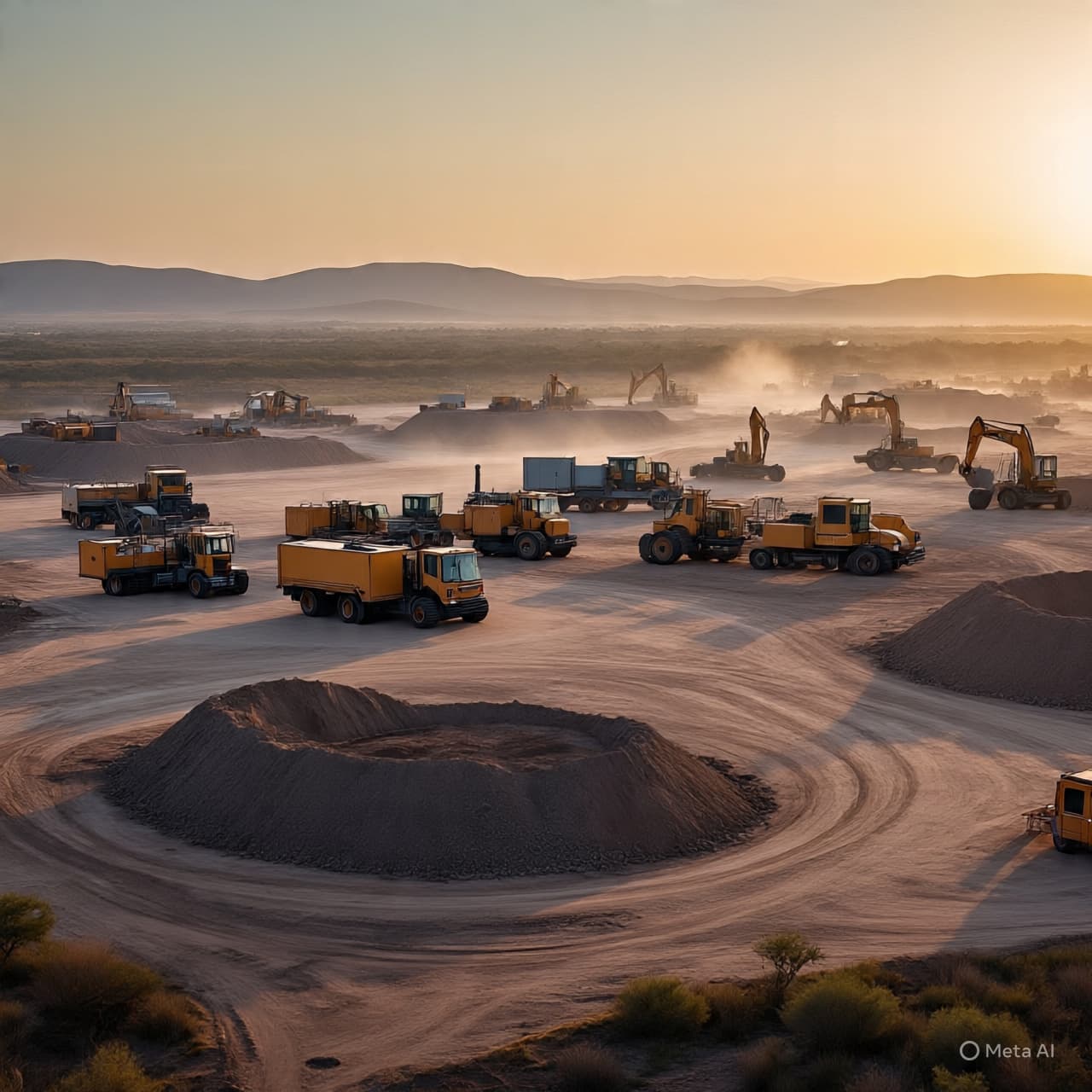
As the sun sets over the Kalahari and the gold hills of Ghana, a sense of cautious optimism prevails. The journey towards greater sovereignty over mineral resources is unfolding, with both nations leading the way in redefining what it means to manage and benefit from their natural wealth. The focus is shifting from extraction to transformation, highlighting that the true measure of wealth lies not only in what is taken from the earth but in what is nurtured and built for future generations.
Published by Banx Network. This article is part of the Banx decentralized media programme, powered by the BXE token on the XRP Ledger.



