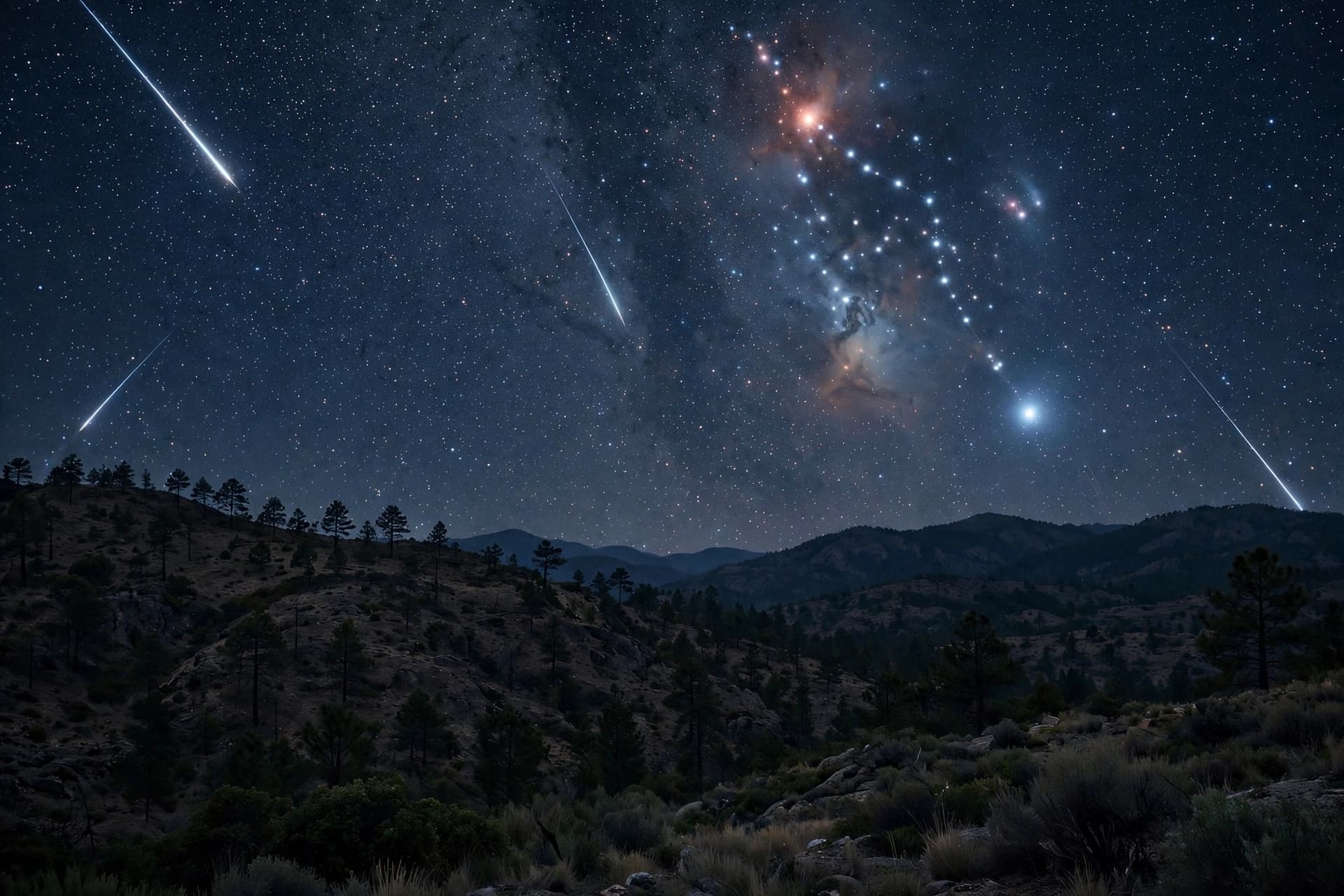
The Moon, when viewed from Earth, often appears serene—an unchanging silver disc rising quietly through the night. Yet up close, its surface tells a harsher story. Beneath the pale glow lies a landscape of dust and shattered rock, ground over billions of years by meteor impacts and cosmic radiation. This fine powder, known as lunar regolith, coats the Moon like a silent memory of its violent past.
For decades, scientists have wondered whether this dust could someday support life—not life as it naturally exists on Earth, but the carefully cultivated ecosystems that future lunar explorers might depend upon. The challenge has always been the same: lunar regolith contains almost no organic material and lacks the biological richness that allows soil on Earth to sustain crops. To grow food on the Moon, humanity must first find a way to turn lifeless dust into something closer to living ground.
A growing body of research suggests that an unlikely partner may help bridge that gap: fungus.
Fungi have long played a quiet but essential role in Earth’s ecosystems. Beneath forests and fields, networks of fungal filaments weave through soil, breaking down minerals and organic matter while helping plants absorb nutrients. In recent laboratory studies, scientists have begun exploring whether similar biological processes could transform lunar dust into a more fertile growing medium.
Experiments using simulated lunar regolith have shown that certain fungal species can survive—and even thrive—when introduced to the mineral-rich dust. As the fungi grow, they release organic compounds that slowly break apart the sharp mineral particles within the regolith. Over time, this process can make nutrients more accessible and create a structure closer to soil, capable of holding water and supporting plant roots.
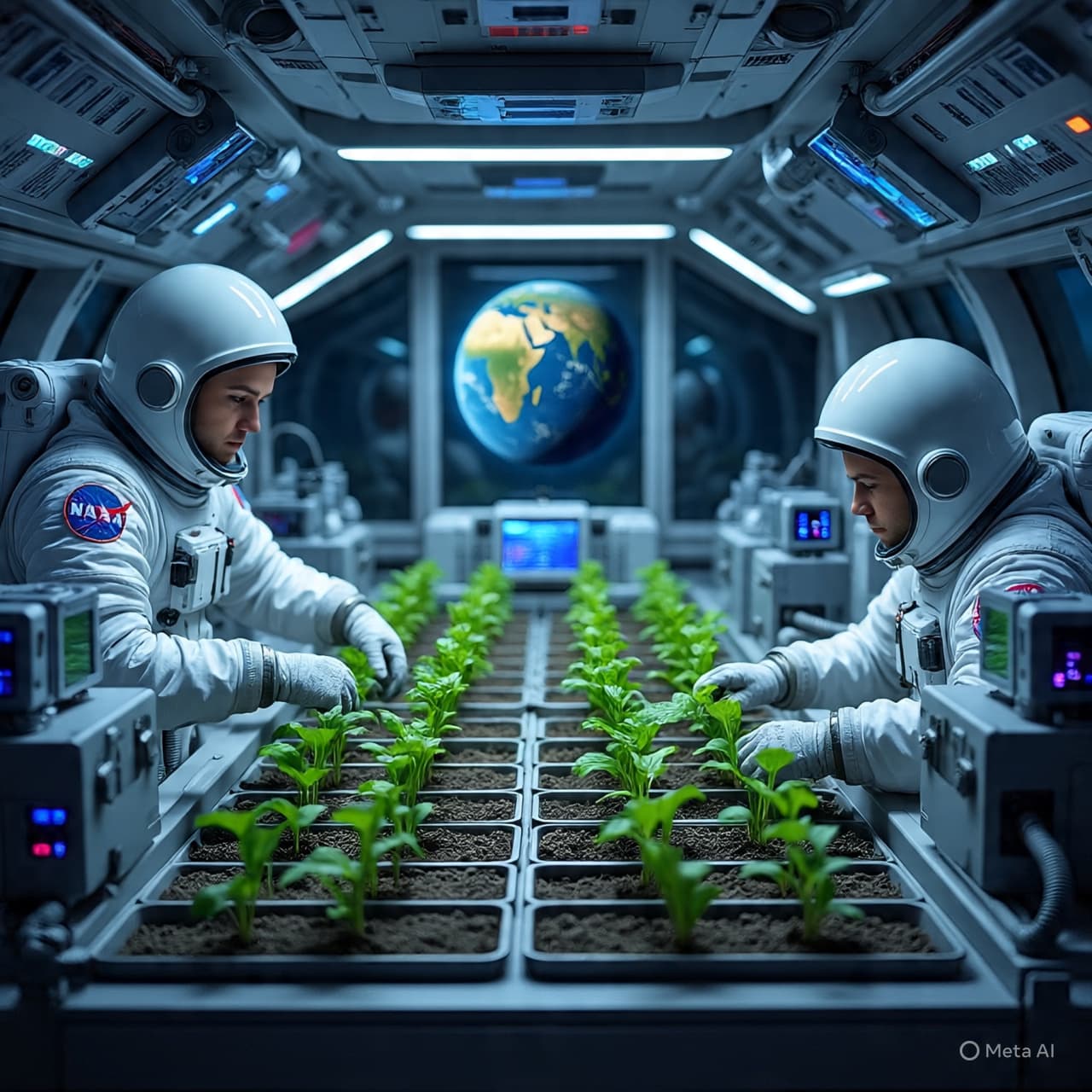
Researchers have also observed that fungi can form symbiotic relationships with plants, much as they do on Earth. In controlled experiments, plants grown in regolith simulants treated with fungi demonstrated improved growth compared with those grown in untreated material. The fungi appear to help plants extract essential elements such as phosphorus and iron, which are present in lunar dust but often locked within minerals.
This biological partnership—plants and fungi working together—may become a cornerstone of future space agriculture.
The idea carries significance far beyond curiosity. Long-term human missions to the Moon, including those envisioned under programs like NASA’s Artemis initiative, will require reliable ways to produce food locally. Transporting large quantities of supplies from Earth is costly and complex, making self-sustaining habitats a priority for space agencies and researchers alike.
Growing crops on the Moon presents unique obstacles. Lunar gravity is only one-sixth that of Earth, temperatures fluctuate dramatically between sunlight and darkness, and the environment is saturated with radiation. Yet within carefully controlled habitats—sealed greenhouses or underground structures—scientists believe biological systems could gradually transform lunar materials into productive growing environments.
Fungi may play a foundational role in this transformation. By acting as microscopic engineers, they could help reshape barren regolith into something more hospitable, allowing plants to anchor themselves and draw nutrients from what was once sterile dust.
In this way, the Moon’s ancient surface—formed through violence and time—might slowly evolve into a place where life can take root, however delicately. The process would not happen quickly. It may take years of cultivation, microbial activity, and patient engineering before lunar soil becomes capable of supporting reliable harvests.
But the principle itself reflects a familiar pattern in nature: life often begins with small, quiet collaborations. On Earth, forests and fields owe much of their fertility to invisible fungal networks beneath the soil. On the Moon, it may be the same humble organisms that quietly prepare the ground.
For now, the idea remains in the laboratory, tested with simulated regolith and carefully monitored plants. Yet the possibility lingers in the imagination of researchers and explorers alike—that one day, in a greenhouse under a lunar sky, the first edible crops may grow from dust that was once considered entirely lifeless.
Published by Banx Network. This article is part of the Banx decentralized media programme, powered by the BXE token on the XRP Ledger.