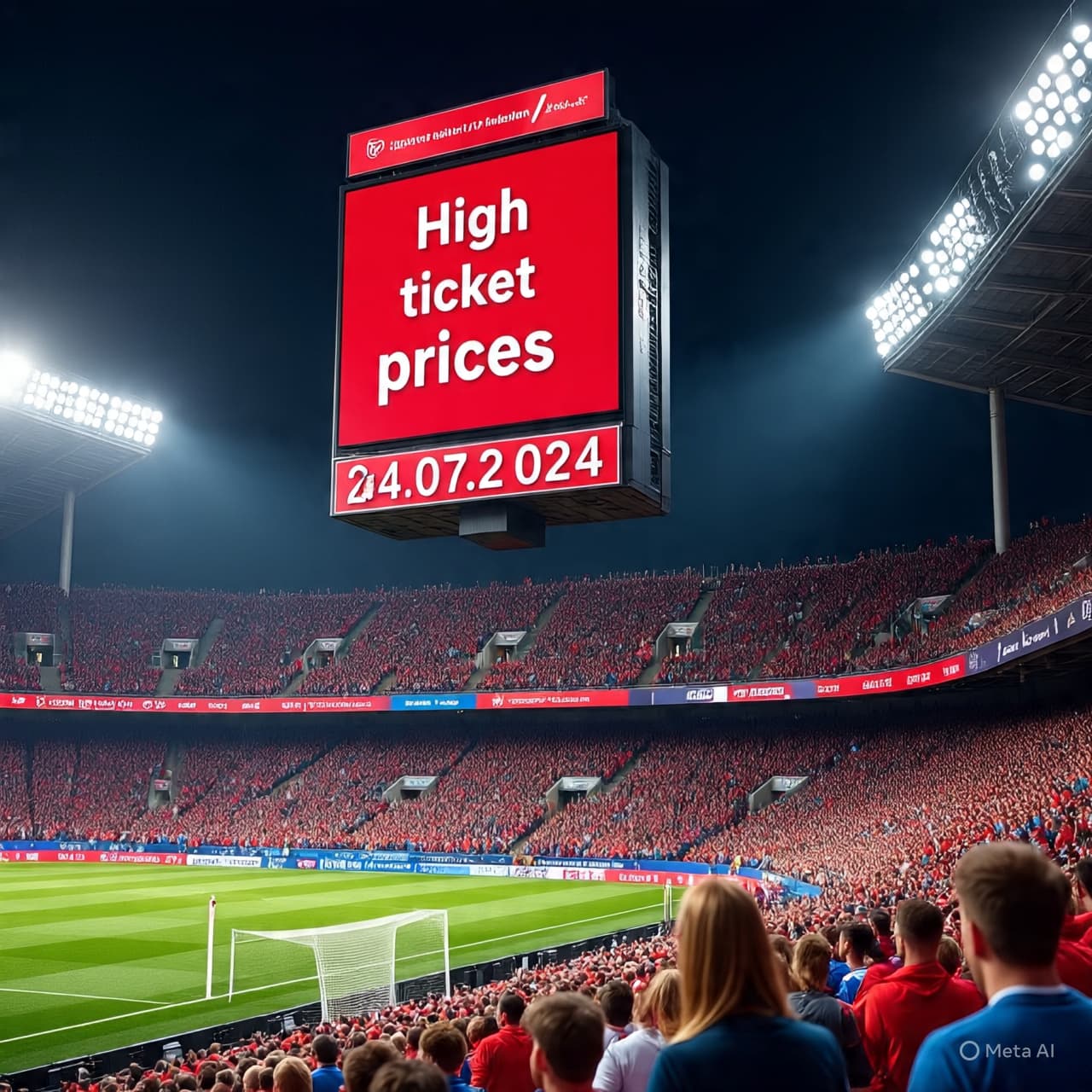
In stadiums across North America — from the swaying crowds of Miami to the iconic terraces of MetLife Stadium — a fresh reality of World Cup 2026 is coming into view. What began as anticipation and dreams of football glory has been tempered by the sharp rise of ticket prices following the official draw for the tournament’s group stage. What was once a celebration of global sport now confronts fans with a financial leap that many had not fully expected.
Once the draw confirmed fixtures — deciding exactly when and where teams like Germany, Portugal, England and Argentina will play — the market reacted almost instantly. Resale ticket prices for matches in cities like Houston shot to eye‑watering levels, with some listings in resale markets exceeding $11,000 for sought‑after games. That surge reflects not only the intense demand for marquee matchups but also FIFA’s dynamic pricing model, which allows ticket costs to vary with perceived interest and popularity.
Under FIFA’s new system, even face‑value tickets — before resale markup — have climbed well above expectations. Group‑stage seats typically range from roughly $180 to $700, depending on the match and seating category, with the highest‑tier tickets selling much higher. For the final, prices in official allocation lists have been reported between $4,185 and $8,680. These figures are much steeper than earlier promises of cheaper entry points — such as the $60 listed in early sales windows — and far exceed even what many fans paid at the 2022 World Cup in Qatar.
Outrage has rippled through the global fan community. Supporters’ groups such as Football Supporters Europe have condemned the pricing levels as “extortionate” and a “monumental betrayal” of the sport’s traditional inclusivity, urging FIFA to pause sales and reconsider the pricing strategy. Critics argue that high prices, paired with limited allocations for the most loyal supporters, risk turning a global event into an exclusive spectacle accessible only to the wealthy or speculative resellers.
For many fans, the escalating ticket prices bring more than monetary strain — they cast a shadow on long‑held traditions of pilgrimage and shared experience at the World Cup. What was once the ultimate fan adventure — cheering under national flags, chanting in packed stadiums — now includes calculations of airfare, accommodation, and match tickets that can rival the cost of a car or a plane ticket to another continent.
As the tournament nears and the next phases of ticket sales unfold, the debate over pricing continues, with calls for greater transparency and fairness competing against soaring demand and market dynamics. In the end, the beautiful game finds itself in an uncomfortable tension between global celebration and financial gatekeeping — where every goal scored may be matched by a rising price tag.
AI Image Disclaimer Visuals are created with AI tools and are not real photographs, intended for representation only.
Sources The Guardian (fan backlash & pricing) The Independent (ticket cost surge & fan criticism) Houston Chronicle (resale price spikes after draw) Euronews & Outlook India (price ranges & fan reaction) Bola.com (detailed pricing and dynamic pricing effects)
Published by Banx Network. This article is part of the Banx decentralized media programme, powered by the BXE token on the XRP Ledger.