The day begins as it always does—roads filling in slow succession, engines waking one by one, a quiet choreography of motion that rarely asks to be noticed. Fuel, in this rhythm, is almost invisible, folded into routine so completely that its absence feels less like a loss and more like a pause in something assumed to be endless.
In recent days, that pause has begun to take shape.
Across Australia, as tensions ripple outward from the Middle East, the federal government has moved to introduce new powers aimed at strengthening fuel supply. Prime Minister Anthony Albanese outlined measures that would allow the government to underwrite additional fuel shipments—absorbing part of the financial uncertainty that has begun to unsettle global markets. The policy does not change the source of supply, but rather the confidence with which it is secured, stepping into the quiet space where hesitation can slow the flow of energy across oceans.
Australia’s reliance on imported fuel—estimated at roughly 90 percent—has long tied its domestic stability to distant routes and events. As conflict affects key production and transport corridors in the Middle East, those routes have grown less predictable. Shipping disruptions and heightened risk have contributed to rising costs, while delays in cargo arrivals have begun to surface in more tangible ways, from tighter inventories to isolated shortages across parts of the country.
The government’s response is measured, almost administrative in tone, yet shaped by a broader awareness of fragility. By enabling financial backing for fuel importers, the new powers aim to ensure that shipments continue even when commercial conditions grow uncertain. It is, in effect, a mechanism designed to preserve continuity—to keep the quiet machinery of everyday life moving without interruption.
There are, however, limits that linger beneath the policy. National fuel reserves, while stable, are finite, typically covering several weeks of demand depending on fuel type. In moments of heightened demand or disruption, those margins can narrow quickly. Authorities have acknowledged this balance, encouraging restraint in consumption and cautioning against the kind of sudden demand surges that can strain supply further.
Elsewhere, responses are unfolding in parallel. Governments in different regions have turned to strategic reserves, emergency funding, or regulatory adjustments, each reflecting the same underlying recognition: that energy systems, though vast, are not immune to disruption when geopolitical tensions converge with logistical complexity.
Within Australia, the proposed measures are expected to move through parliament in the coming days, formalizing the government’s expanded role in securing supply. At the same time, political debate continues over how best to ease pressure on households, with alternative proposals focusing on price relief rather than supply guarantees. The contrast is subtle but meaningful—one approach aimed at ensuring availability, the other at reducing immediate cost.
For now, the roads continue to fill, the stations continue to operate, and the broader system holds. Yet the moment carries a quiet shift in awareness. Fuel, once taken for granted, becomes briefly visible again—not only as a commodity, but as a connection, linking distant events to the cadence of daily movement.
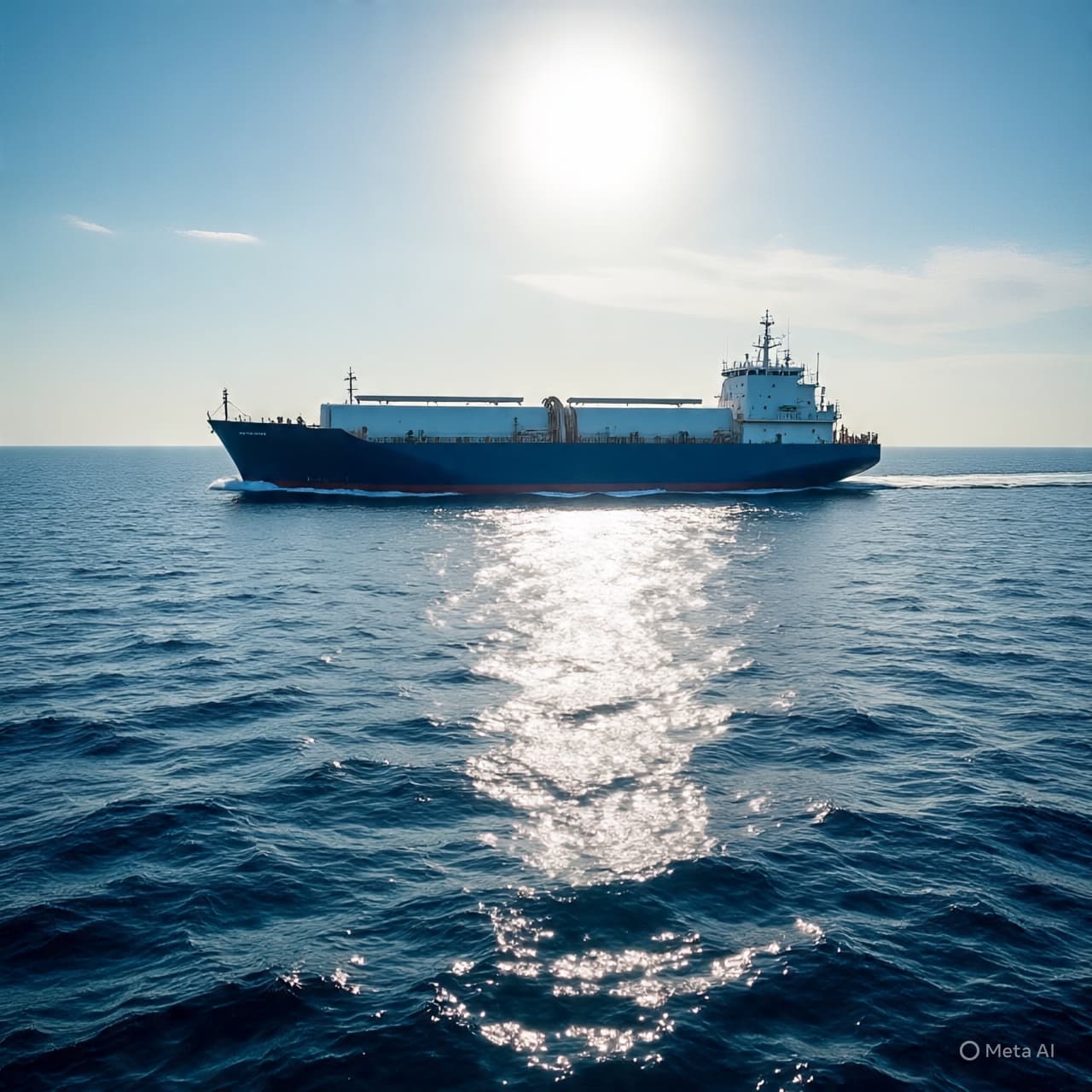
And far from the highways and suburbs, beyond the visible edge of the coastline, tankers continue their steady passage—moving through uncertain waters, carrying with them the fragile continuity of a system that depends, more than it often admits, on the stability of a world always in motion.
Published by Banx Network. This article is part of the Banx decentralized media programme, powered by the BXE token on the XRP Ledger.
.jpg&w=3840&q=75 "US Declares Drought Disaster for Parts of Puerto Rico as Dry Conditions Persist")